Home Lifestyle & Wellness Easy Tips for Cultivating Your Own Nutrient-Rich Sprouts at Home
Lifestyle & Wellness

Easy Tips for Cultivating Your Own Nutrient-Rich Sprouts at Home

Share
Share

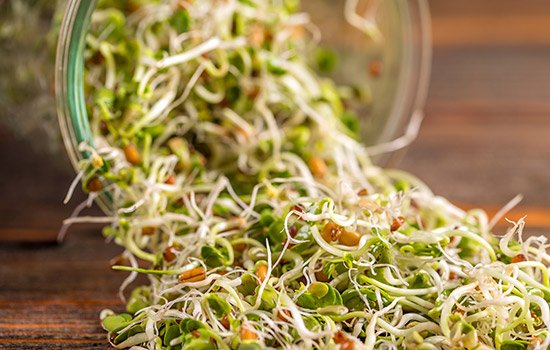
Sprouts are tiny, nutrient-packed powerhouses that can easily be grown at home. They are young plants that have just started to grow from seeds, and they are bursting with vitamins, minerals, and antioxidants. Whether you’re a seasoned gardener or just starting out, growing your own sprouts is a simple and rewarding experience. Here’s a benefits of eating sprouts to help you cultivate your own nutrient-rich sprouts at home.

Choosing Your Seeds

The first step in growing sprouts is selecting the right seeds. You can sprout almost any seed, but some of the most popular choices include:

Alfalfa: Mild flavor, great for sandwiches and salads.

Broccoli: Rich in antioxidants, slightly spicy taste.

Mung Beans: Common in Asian cuisine, crunchy texture.

Radish: Spicy and peppery, adds a kick to dishes.

Make sure to buy seeds specifically labeled for sprouting, as they are free from harmful chemicals and contaminants.

Equipment You Need

Growing sprouts doesn’t require any fancy equipment. Here’s what you’ll need:

A glass jar: A wide-mouth mason jar works well.

A mesh lid or cheesecloth: This allows air to circulate while keeping the seeds in.

A rubber band: To secure the cheesecloth.

Water: Fresh, clean water is essential for sprouting.

The Sprouting Process

1. Rinse and Soak: Start by rinsing your seeds thoroughly under cool water. Then, place them in the jar and cover with water. Let them soak for about 8-12 hours, or overnight. This helps to kickstart the germination process.

2. Drain and Rinse: After soaking, drain the water using the mesh lid or cheesecloth. Rinse the seeds with fresh water and drain again. It’s important to rinse the seeds 2-3 times a day to prevent mold and ensure healthy growth.

3. Sprouting: Place the jar in a well-ventilated area away from direct sunlight. A kitchen counter is usually a good spot. Continue to rinse and drain the seeds twice a day. In a few days, you’ll start to see tiny sprouts emerging.

4. Harvest: Most sprouts are ready to harvest in 4-7 days, depending on the type. They should be about 1-2 inches long. Give them a final rinse and let them dry before storing.

Storing Your Sprouts

Once harvested, sprouts can be stored in the refrigerator for up to a week. Make sure they are dry before storing them in a container. Damp sprouts can spoil quickly, so a good practice is to place a paper towel in the container to absorb any excess moisture.

Common Issues

Mold: If you notice a musty smell or see mold, discard the sprouts immediately. To prevent mold, ensure proper drainage and ventilation.

Slow Growth: If your sprouts are taking longer than expected, they might not be getting enough air. Make sure the jar is not sealed tightly and has enough airflow.

Now that you’ve successfully grown your own sprouts, it’s time to enjoy them! Add them to your favorite dishes or snack on them as they are. The fresh, crisp taste of home-grown sprouts is unmatched by store-bought versions.

Growing sprouts at home is not only easy but also a fun and educational activity for the whole family. Plus, it’s a great way to ensure you’re eating fresh, nutrient-rich foods.


Share

Leave a comment

Leave a Reply

Your email address will not be published. Required fields are marked *

Don't Miss

Latest News

Union Budget 2026 LIVE: What Does the Healthcare Sector Seek?

As Finance Minister Nirmala Sitharaman presents the Union Budget 2026, the healthcare sector is closely tracking the announcements, hoping for decisive reforms that...

Cancer
Press ReleaseVirus & Disease

Nipah Virus Infection – India

Situation at a glance On 26 January 2026, the National IHR Focal Point for India notified WHO of two laboratory‑confirmed cases of Nipah...

Latest News

Hidden Cancers in Women: Early Symptoms You’re Probably Ignoring

Many cancers in women remain undetected until they reach advanced stages, making early awareness and screening critical. While breast and cervical cancers receive...

The Nipah virus is considered one of the deadliest zoonotic infections globally, not because it spreads rapidly like influenza or COVID-19, but because of its extremely high fatality rate, rapid progression, and severe brain involvement. Medical experts warn that once symptoms escalate, the disease can turn fatal within days. According to available data, the case fatality rate of Nipah virus ranges between 50 and 75 per cent, placing it among the most lethal viral infections known to humans. In this explainer, Dr Dip Narayan Mukherjee, Consultant – Microbiology and Infectious Diseases, CK Birla Hospitals, CMRI, sheds light on why the virus is so dangerous and difficult to control. Why Is the Nipah Virus So Deadly? According to Dr Mukherjee, Nipah’s lethality lies in a combination of delayed symptom recognition, aggressive disease progression, and early involvement of the brain. “Nipah virus often begins with very non-specific symptoms, which makes early detection difficult. By the time it is clinically suspected, the virus may have already affected the brain,” he explains. Early Symptoms Often Go Unnoticed One of the biggest challenges in controlling Nipah virus is that its initial symptoms closely resemble common viral illnesses, leading to delays in diagnosis and isolation. Early symptoms include: Fever Headache Cough Muscle pain General weakness “These symptoms are easily mistaken for flu, viral fever, or respiratory infections,” says Dr Mukherjee. “This delay gives the virus time to progress silently.” Severe Brain Infection Drives High Mortality The most dangerous aspect of Nipah virus infection is its neurological involvement. The virus frequently causes encephalitis, or inflammation of the brain, which significantly increases the risk of death. Neurological symptoms may include: Seizures Confusion and altered consciousness Extreme drowsiness Coma “Once the central nervous system is involved, the disease becomes very difficult to manage,” Dr Mukherjee notes. “At this stage, treatment is largely supportive because there is no specific antiviral therapy available.” This lack of targeted treatment options makes early detection critical. Human-to-Human Transmission Raises Risk While Nipah virus is primarily transmitted from fruit bats, it can also spread from person to person, particularly in healthcare settings. Dr Mukherjee points out that: Caregivers and healthcare workers are at higher risk Exposure to high viral loads can worsen outcomes Inadequate infection control increases transmission risk “Strict adherence to infection control practices is essential. Even a small lapse can result in secondary infections,” he says. Zoonotic Nature Makes Exposure Hard to Predict Nipah virus is transmitted from fruit bats, either directly or through intermediate hosts such as pigs. This zoonotic pattern makes outbreaks unpredictable, especially in regions where humans, animals, and wildlife interact closely. Adding to the challenge: There is no approved vaccine Treatment options remain limited Isolation protocols must be strictly enforced What Can Reduce Nipah Fatalities? According to experts, early action remains the most effective defence against Nipah virus. Key measures include: Early isolation of suspected cases Strict use of personal protective equipment (PPE) Rapid escalation and referral to specialised centres Strong hospital infection control protocols “The earlier the virus is identified and contained, the better the chances of preventing severe disease and fatalities,” Dr Mukherjee emphasises. The Bottom Line Nipah virus continues to be a serious public health threat because of its high fatality rate, neurological complications, and lack of targeted treatment. Its ability to masquerade as a mild illness in the early stages makes vigilance crucial. Health experts stress that awareness, early suspicion, and strict infection control are currently the most powerful tools to reduce deaths linked to this deadly virus. As Dr Mukherjee concludes, “With Nipah, time is the most critical factor. Early recognition can save lives.”
Latest News

Nipah Virus in India: What You Should Know and How to Stay Safe

Nipah virus (NiV) is a rare but highly dangerous zoonotic virus that can be transmitted from animals to humans and, in some cases,...

Latest News

How Seasonal Flu Symptoms Are Changing in 2026—and What It Means for You

Seasonal influenza, commonly known as the flu, affects millions of people worldwide every year, and 2026 has already shown changes in how the...

Section title

Related Articles
×