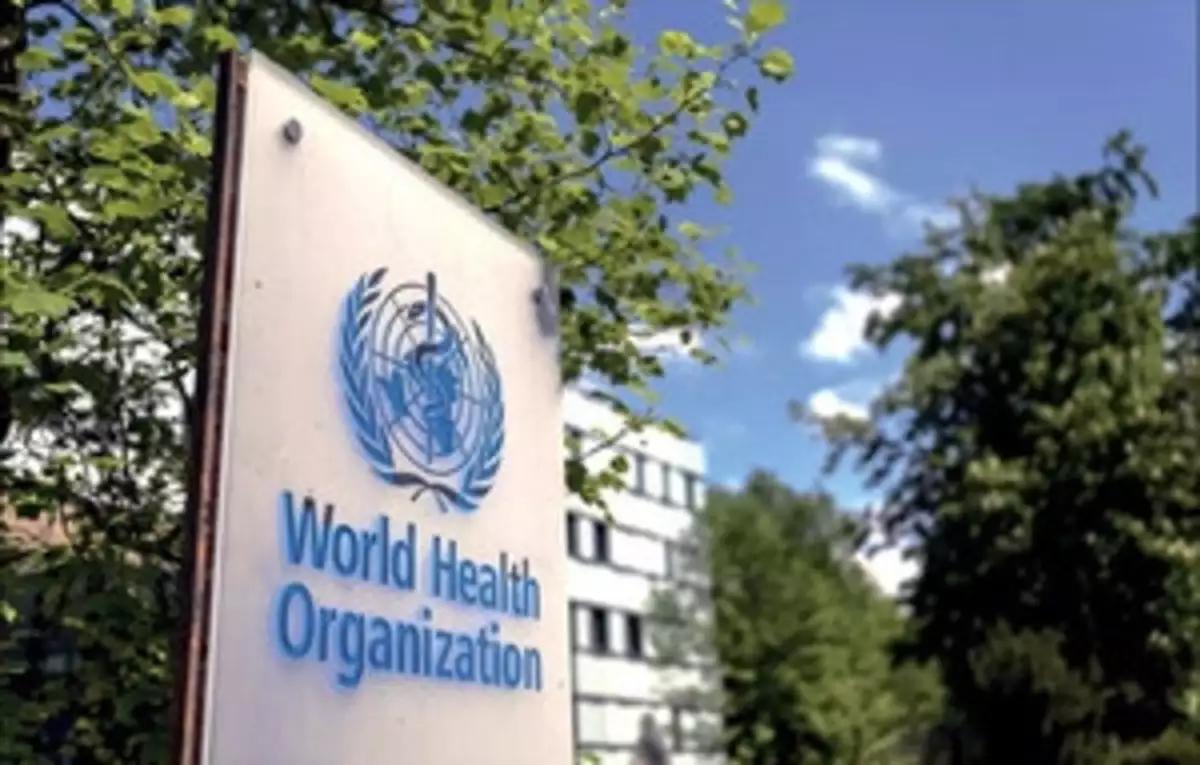
In a move that has sent shockwaves through the global health community, US President Donald Trump has officially severed ties between the United States and the World Health Organization (WHO), ending a partnership that spanned more than seven decades. The decision has reignited concerns about global disease surveillance, pandemic preparedness, vaccine coordination, and the ability of countries to collectively respond to future health emergencies.
The United States has historically been the largest financial contributor to the WHO, accounting for nearly 15–20% of its total budget. Health experts warn that withdrawing from the world’s leading public health body could weaken global health systems at a time when the world remains vulnerable to emerging infectious diseases.
What Does Cutting Ties With WHO Mean?
The World Health Organization, founded in 1948, plays a central role in tracking disease outbreaks, coordinating international health responses, issuing treatment guidelines, and supporting low- and middle-income countries during health crises. The US decision to exit the organisation means it will no longer:
- Participate in WHO-led disease surveillance networks
- Contribute funding to global health programmes
- Have direct access to WHO’s early warning systems
- Influence global health policies and standards
Public health experts argue that stepping away from the WHO does not isolate the organisation—it isolates the country itself from a critical flow of health data and global coordination.
Why the WHO Matters for Global Health Security
WHO acts as the world’s first line of defence against outbreaks. It monitors emerging threats such as new influenza strains, zoonotic viruses like Nipah, Ebola flare-ups, antimicrobial resistance, and unknown pathogens with pandemic potential.
Through its Global Outbreak Alert and Response Network (GOARN), the WHO helps detect and respond to health threats before they spiral out of control. Losing access to such networks could delay detection of outbreaks that may otherwise be contained early.
Health experts stress that in an interconnected world, viruses do not respect borders—and no country can fight pandemics alone.
Pandemic Preparedness: A Major Concern
The COVID-19 pandemic exposed critical gaps in global preparedness and coordination. While countries raced to secure vaccines and medical supplies, WHO played a key role in:
- Issuing evolving treatment and testing guidelines
- Coordinating vaccine distribution initiatives
- Supporting under-resourced health systems
- Sharing scientific data across borders
Experts fear that a US withdrawal could undermine collective efforts to prepare for the next pandemic, which many scientists believe is inevitable, not hypothetical.
Emerging pathogens such as Nipah virus, avian influenza, and drug-resistant bacteria remain on WHO’s priority watchlist. Reduced global coordination could allow such threats to spread unchecked.
Impact on Disease Surveillance and Early Warning Systems
One of WHO’s most critical roles is real-time disease surveillance. Member countries share outbreak data, genomic sequencing, and epidemiological findings through WHO platforms. This system enables rapid alerts and coordinated responses.
Without direct involvement, the US risks:
- Delayed access to outbreak intelligence
- Reduced situational awareness of global health threats
- Limited collaboration during cross-border emergencies
Health officials warn that even a short delay in detecting outbreaks can translate into thousands of additional cases and preventable deaths.
Vaccine Development and Access at Risk
WHO plays a central role in vaccine approval, safety monitoring, and distribution, especially during global emergencies. It also coordinates initiatives that help ensure equitable access to vaccines for low- and middle-income countries.
The US exit could:
- Weaken global vaccine coordination
- Reduce funding for immunisation programmes
- Disrupt collaborative research and clinical trials
During COVID-19, global vaccine inequality highlighted how fragmented responses prolong pandemics. Experts warn that stepping away from WHO could worsen these disparities during future crises.
Financial Fallout for Global Health Programmes
The US has traditionally been one of WHO’s largest donors, supporting programmes focused on:
- Infectious disease control (TB, HIV, malaria)
- Maternal and child health
- Emergency health responses
- Strengthening health systems in vulnerable regions
Cutting funding could force WHO to scale back or delay critical programmes, particularly in regions already struggling with weak healthcare infrastructure. Public health specialists warn that such setbacks could reverse decades of progress in controlling preventable diseases.
Critics vs Supporters: A Divided Reaction
Supporters of Trump’s decision argue that the WHO needs reform and greater accountability, claiming the organisation mishandled aspects of the COVID-19 response. They maintain that the US can pursue bilateral health partnerships without WHO involvement.
However, critics counter that reform is best achieved from within, not by walking away. Leading health experts, former WHO officials, and global health advocates have warned that disengagement weakens international cooperation rather than improving it.
Several medical associations have described the move as a risk to both global and domestic health security.
Implications Beyond the United States
The decision could have ripple effects far beyond US borders. A weakened WHO may struggle to respond effectively to outbreaks in developing countries, increasing the likelihood that local epidemics turn into global emergencies.
For countries like India, Bangladesh, and nations in Africa—where zoonotic diseases and climate-driven health risks are rising—strong global coordination remains essential.
Public health experts warn that global health security is only as strong as its weakest link.
Lessons From Past Outbreaks
History has shown that delayed responses to health threats can be catastrophic. Outbreaks such as Ebola, SARS, and COVID-19 demonstrated the importance of early warning systems, data sharing, and coordinated action.
WHO’s role in standardising responses—while not perfect—has often helped prevent regional outbreaks from escalating into global crises.
Walking away from such systems, experts argue, increases vulnerability rather than resilience.
The Bigger Picture: Health in a Fragmented World
The decision to cut ties with WHO comes at a time when global health challenges are becoming more complex. Climate change, urbanisation, deforestation, and increased human-animal interaction are driving the emergence of new diseases.
In this context, global cooperation is not optional—it is essential.
Health experts caution that political decisions can have long-lasting consequences for public health, especially when science-based collaboration is sidelined.
A Risky Gamble for Global Health
Trump’s decision to cut ties with the World Health Organization marks a significant shift in global health diplomacy. While debates around reform and accountability are valid, many experts believe disengagement weakens the world’s collective ability to detect, prevent, and respond to health emergencies.
As the world braces for future pandemics, the move raises a pressing question: Can global health security survive without global cooperation?
For now, public health experts warn that the cost of isolation may ultimately be measured not just in policy shifts—but in lives.