

New Delhi, 07 August 2025: High cholesterol is one of the most talked-about yet misunderstood health concerns today. Often, people hear the term in passing at doctor visits, but many fail to grasp how dangerous unchecked cholesterol levels can be—especially when it comes to the risk of heart attacks. A leading cardiologist sheds light on the hidden connection between cholesterol and cardiovascular events, breaking down symptoms, causes, and what you should do to protect your heart.
Understanding Cholesterol: The Good and The Bad
Cholesterol is a waxy, fat-like substance found in every cell of your body. While your body needs it to build healthy cells, produce hormones, and aid in digestion, too much cholesterol can be harmful.
There are two main types:
- Low-Density Lipoprotein (LDL) – often called “bad cholesterol”, it can accumulate in the walls of your blood vessels, making them narrow and hard.
- High-Density Lipoprotein (HDL) – known as “good cholesterol”, it helps remove excess cholesterol from your bloodstream and carries it back to the liver for processing.
When LDL levels rise and HDL levels drop, it creates a dangerous imbalance that paves the way for heart disease and heart attacks.
How High Cholesterol Leads to Heart Attacks
Cardiologists explain that heart attacks occur when the flow of oxygen-rich blood to a section of the heart muscle is blocked. This blockage often results from a buildup of cholesterol and other substances in the arteries, forming what is known as plaque.
Over time, this plaque can:
- Narrow arteries (atherosclerosis)
- Become unstable and rupture
- Form blood clots that obstruct blood flow
When blood flow is completely blocked, the heart muscle begins to die—this is a heart attack.
The Hidden Link: Why Cholesterol is a Silent Threat
High cholesterol has been dubbed a “silent killer” for a reason. It doesn’t cause noticeable symptoms until serious damage has already occurred.
A renowned cardiologist explains, “Most patients don’t realize they have high cholesterol until they end up in the emergency room with chest pain or after surviving a heart attack. Regular screening is the only way to detect it early.”
Symptoms You Should Never Ignore
While high cholesterol itself doesn’t show symptoms, its consequences can. If your cholesterol has already contributed to artery damage or blockage, you may experience:
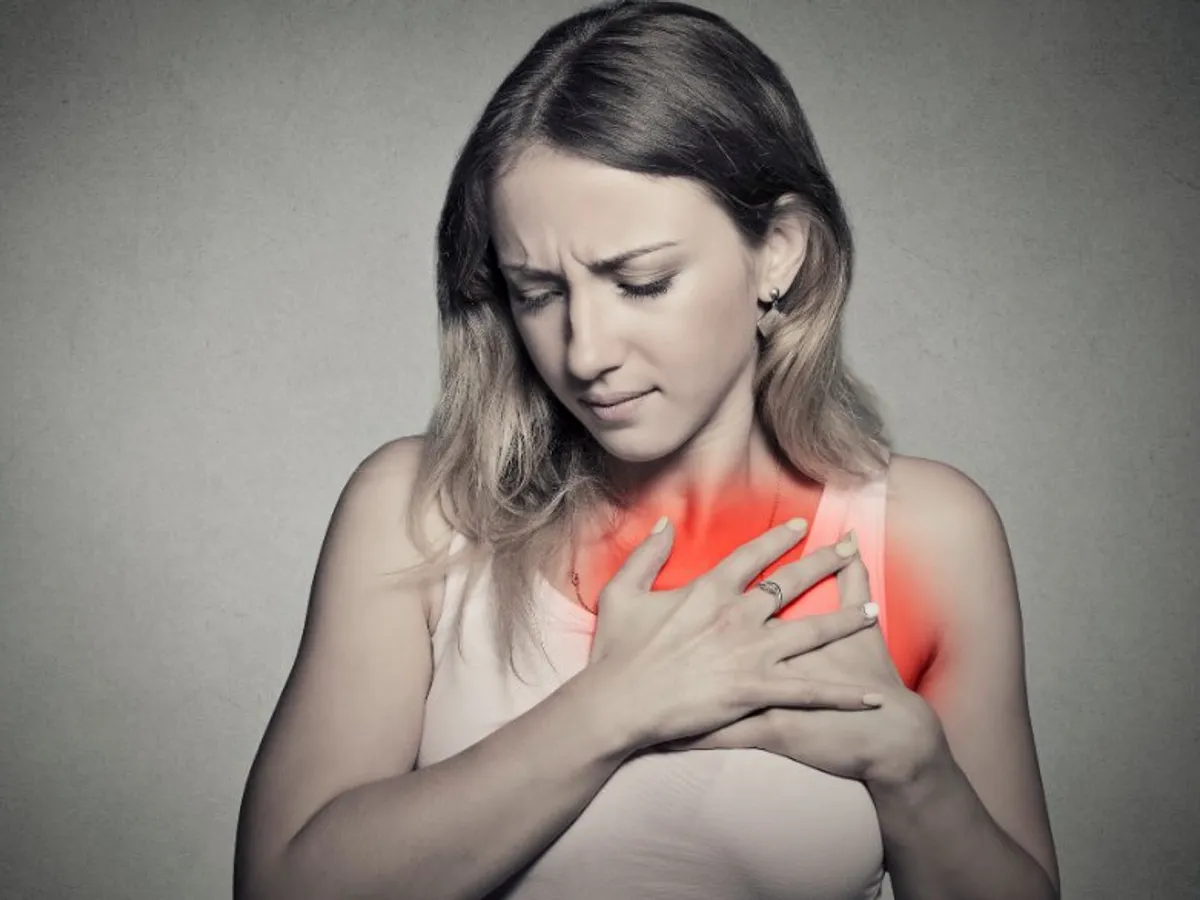
- Chest pain (angina) – a result of narrowed coronary arteries
- Shortness of breath
- Pain in the neck, jaw, upper abdomen, or back
- Numbness or weakness in limbs
- Sudden dizziness or confusion – if arteries to the brain are affected
These symptoms should never be ignored, especially if you have other risk factors like obesity, smoking, diabetes, or a sedentary lifestyle.
Who Is At Risk?
Certain people are more prone to developing high cholesterol and heart problems. These risk factors include:
- Family history of heart disease
- Poor diet – especially one high in saturated fats and trans fats
- Lack of physical activity
- Obesity or being overweight
- Smoking
- Diabetes or hypertension
- Age – risk increases after 45 in men and 55 in women
If you fall into any of these categories, it’s crucial to monitor your cholesterol regularly.
How to Check Your Cholesterol Levels
A lipid profile blood test is used to measure:
- Total cholesterol
- LDL (bad cholesterol)
- HDL (good cholesterol)
- Triglycerides
Ideal levels according to current guidelines:
- Total cholesterol: Less than 200 mg/dL
- LDL: Less than 100 mg/dL
- HDL: 60 mg/dL or higher
- Triglycerides: Less than 150 mg/dL
Consult your doctor to interpret the results based on your personal risk profile.
Lifestyle Changes to Lower Cholesterol
The good news is that high cholesterol is manageable—and even reversible—through lifestyle changes.
1. Adopt a Heart-Healthy Diet
- Eat more fruits, vegetables, legumes, and whole grains
- Include healthy fats like olive oil, avocados, and nuts
- Avoid red meat, fried foods, and full-fat dairy
- Opt for grilled, baked, or steamed foods
2. Exercise Regularly
Aim for at least 30 minutes of moderate aerobic activity five days a week. Walking, swimming, and cycling are great options.
3. Quit Smoking and Limit Alcohol
Smoking lowers HDL and damages arteries. Alcohol should be consumed in moderation—if at all.
4. Manage Stress
Chronic stress can negatively affect your heart. Practices like yoga, meditation, and deep breathing can help.
5. Maintain a Healthy Weight
Losing even 5-10% of your body weight can significantly improve your cholesterol profile.
When to Consider Medication
If lifestyle changes aren’t enough, doctors may prescribe statins or other lipid-lowering medications. These drugs help reduce LDL levels and prevent plaque buildup. Always take medications as prescribed and keep up with follow-ups to monitor progress.
The Cardiologist’s Advice: Prevention is Better Than Cure
Cardiologists stress that while medications can help, prevention through lifestyle remains the most powerful tool in combating heart disease. Here are some final takeaways:
- Get your cholesterol checked by age 20, and regularly every 4–6 years thereafter.
- Make heart-friendly habits a part of your routine.
- Don’t wait for symptoms—early action saves lives.
High cholesterol might be silent, but its impact can be deadly. By understanding the hidden link between cholesterol and heart attacks, recognizing the symptoms, and adopting healthier habits, you can take control of your heart health.
Your heart is too important to ignore. Start today, check your numbers, and make the changes needed to protect your life.











Leave a comment