

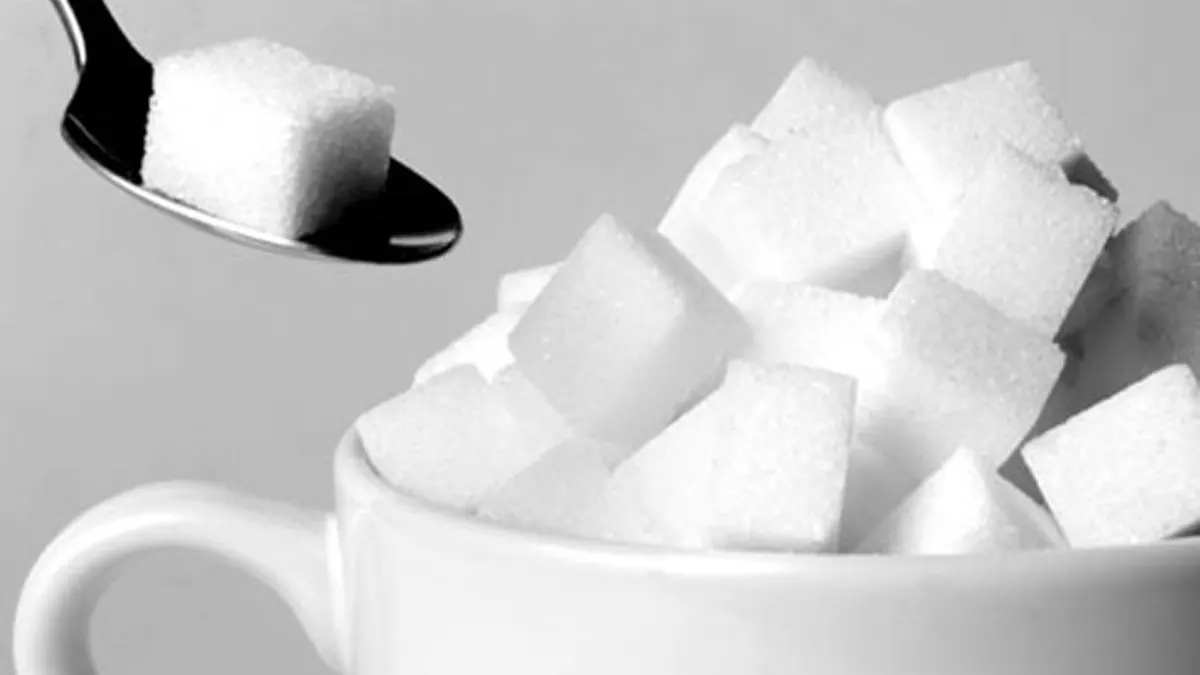
New Delhi, 01 August 2025: In a world increasingly obsessed with cutting calories and reducing sugar intake, artificial sweeteners have become a dietary staple for millions. From diet sodas and sugar-free chewing gum to protein powders and low-carb desserts, these sweeteners promise the joy of sweetness without the health risks of traditional sugar. But is it really a healthier choice—especially for your heart?
A growing body of research is now casting doubt on the long-term safety of artificial sweeteners, with recent studies linking them to an increased risk of cardiovascular disease, including heart attack and stroke. We spoke to top cardiologists and reviewed the latest findings to understand the connection and whether you should rethink your sweetener choices.
What Are Artificial Sweeteners?
Artificial sweeteners, also known as non-nutritive sweeteners or sugar substitutes, are chemicals that mimic the sweetness of sugar but contain little to no calories. Common types include:
- Aspartame (Equal, NutraSweet)
- Saccharin (Sweet’N Low)
- Sucralose (Splenda)
- Acesulfame potassium (Ace-K)
- Stevia (plant-derived but processed)
They are widely used in beverages, snacks, yogurts, baked goods, and even some medications. While they were initially praised for aiding in weight management and blood sugar control, their impact on overall metabolic and heart health has become a hot topic in recent years.
What Does the Research Say?
Several large-scale studies and meta-analyses over the past decade have revealed alarming associations between artificial sweetener consumption and heart-related issues. A 2022 study published in the British Medical Journal (BMJ), which followed over 100,000 participants, found that those who regularly consumed artificial sweeteners had a 9% higher risk of cardiovascular disease and a 20% higher risk of stroke.
Other studies have shown that artificial sweeteners can:
- Disrupt gut microbiota
- Trigger insulin resistance
- Increase inflammation
- Elevate blood pressure
All of these are known contributors to heart disease.
What Cardiologists Want You to Know
We asked Dr. Arun Verma, a senior cardiologist at Delhi Heart Institute, whether the concerns around sweeteners are valid.
“Artificial sweeteners were never meant to be consumed excessively or long-term,” he explains. “While they can be helpful in short-term weight management or for diabetic patients, relying on them daily—especially in processed forms like sodas—can disrupt metabolic health and indirectly affect your heart.”
He emphasizes that cardiovascular risk doesn’t only come from sugar or fat—it’s also about chronic inflammation, insulin resistance, and how your body responds to processed compounds. “Artificial sweeteners may not spike your blood sugar, but they confuse your metabolism in other ways.”
How Artificial Sweeteners May Contribute to Heart Disease
1. Gut Health Disruption
Your gut microbiome is directly linked to your heart health. Studies have found that artificial sweeteners, especially sucralose and saccharin, can alter the composition of healthy gut bacteria, leading to increased inflammation and insulin resistance—two key factors in heart disease development.
2. Insulin Resistance
Even though these sweeteners don’t contain calories, they can trick the brain and pancreas into responding as if sugar has entered the bloodstream. Over time, this “false alarm” may lead to impaired insulin sensitivity, increasing your risk of type 2 diabetes and cardiovascular disease.
3. Increased Cravings and Weight Gain
Ironically, some research suggests that artificial sweeteners can increase appetite and sugar cravings, leading to overconsumption of unhealthy foods. This can contribute to weight gain and abdominal obesity, both of which are major risk factors for heart attack risk.
4. Elevated Blood Pressure
In some studies, heavy consumers of diet sodas showed a greater tendency to develop hypertension, a leading cause of heart attack risk and strokes. The exact mechanism is still being studied, but it’s believed to involve both metabolic changes and inflammatory responses.
Who Should Be Most Cautious?
According to cardiologists, certain groups should be especially careful with artificial sweeteners:
- People with a history of heart disease
- Individuals with metabolic syndrome or prediabetes
- Patients with high blood pressure or obesity
- Pregnant women (due to potential effects on fetal development)
For these individuals, reducing both natural and artificial sweeteners and focusing on a balanced, whole-food diet is crucial.
Healthy Alternatives for Sweet Cravings
You don’t have to live a bitter life to protect your heart. Instead of relying on chemical substitutes, try these natural options:
- Fresh fruit – offers fiber and antioxidants
- Honey (in moderation) – contains anti-inflammatory properties
- Dates or jaggery – provide natural sweetness and nutrients
- Cinnamon or nutmeg – add sweetness and improve blood sugar response
Also, retraining your taste buds by gradually reducing sweeteners altogether can help. Over time, your brain becomes less dependent on overly sweet tastes.
Should You Quit Artificial Sweeteners?
The answer depends on your current health status and how frequently you consume them. Having the occasional sugar-free gum or stevia in your tea isn’t likely to harm you. But if you’re drinking multiple diet sodas a day or using sweeteners excessively in protein bars, yogurts, and supplements, it’s time to reassess.
Artificial sweeteners may not be the silver bullet for weight loss or diabetes control as once thought. Their link to heart disease is becoming clearer, and the safest route to heart health is still the most natural one: whole foods, balanced meals, and moderation.












Leave a comment