

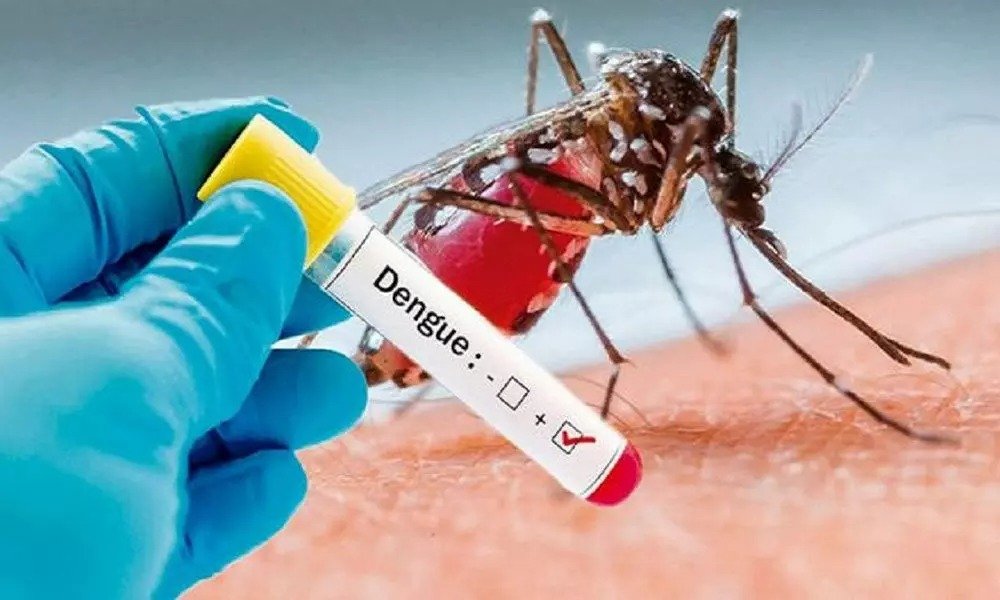
New Delhi, 27 August 2025: As monsoon season continues, Delhi’s public health landscape is shifting. While the number of dengue cases has shown a slight decline compared to the previous year, cases of malaria and chikungunya are seeing a noticeable uptick, raising concerns among health officials and residents alike.
Dengue Cases Show Decline
As of August 23, Delhi has reported 412 confirmed dengue cases, a marginal decrease from 425 cases in the same period last year. More significantly, the number is less than half of the 942 cases recorded in 2023. Encouragingly, no dengue-related deaths have been reported this year so far, compared to 11 deaths in 2024 and 19 in 2023.
Rise in Malaria and Chikungunya
While dengue cases have dipped, malaria infections have increased, with 191 cases recorded this year, compared to 181 in 2024. Similarly, chikungunya has seen a gradual rise, with 32 confirmed cases this year — up from 28 cases in 2024 and 17 in 2023.
This shift suggests that while dengue may be under some control, other mosquito-borne diseases are gaining ground, particularly in the wake of heavy rainfall and waterlogging across the capital.
Monsoon and Mosquito Breeding Conditions
The monsoon has led to increased accumulation of stagnant water in various parts of the city, creating ideal breeding conditions for mosquitoes. While Aedes mosquitoes transmit dengue and chikungunya, Anopheles mosquitoes are responsible for malaria. With these favorable conditions, health experts warn that cases of all three diseases could increase further in September — traditionally the peak month for vector-borne illnesses in Delhi.
Civic Action and Public Health Measures
To counter the surge in mosquito-borne diseases, civic authorities have intensified their vector control drives. Over 2.67 crore homes have been inspected since January for signs of mosquito breeding — the highest in the last three years. As part of enforcement efforts:
- Nearly 99,000 legal notices have been issued to violators.
- Over 18,000 prosecutions have been initiated for failure to prevent mosquito breeding.
- Authorities are deploying larvicide treatments, releasing biological controls such as larva-eating fish in water bodies, and increasing fogging efforts in vulnerable areas.
Additionally, inspections have been carried out at historical and tourist sites, with several found to have active breeding grounds. Notices and legal actions have been taken at those locations.
Challenges in Implementation
Despite increased efforts, the effectiveness of vector control is being impacted by a shortage of personnel in the health department. Currently, only about half of the sanctioned posts for malaria and anti-malaria inspectors are filled. Supervisory roles, too, remain largely vacant, limiting the reach and consistency of on-ground checks and follow-ups.
What Residents Can Do
Health officials continue to emphasize the importance of community participation. Residents are being urged to:
- Observe weekly “dry days” to empty and clean water containers.
- Avoid storing water in open containers, pots, or discarded items like tyres.
- Keep household and neighborhood areas dry and clean.
- Use mosquito repellents and nets, especially at night.
- Avoid street food and uncovered fruits, which can attract mosquitoes.
- Seek prompt medical attention in case of symptoms like high fever, rashes, joint pain, headaches, or chills.
While the decline in dengue cases is a positive sign, the simultaneous rise in malaria and chikungunya highlights the dynamic nature of seasonal disease trends. With several weeks of monsoon still ahead, continued vigilance, stronger civic coordination, and proactive community behavior will be essential to prevent a full-scale outbreak.
Authorities remain on alert, and citizens are encouraged to stay informed and take preventive actions seriously as Delhi navigates through this critical public health period.















Leave a comment