

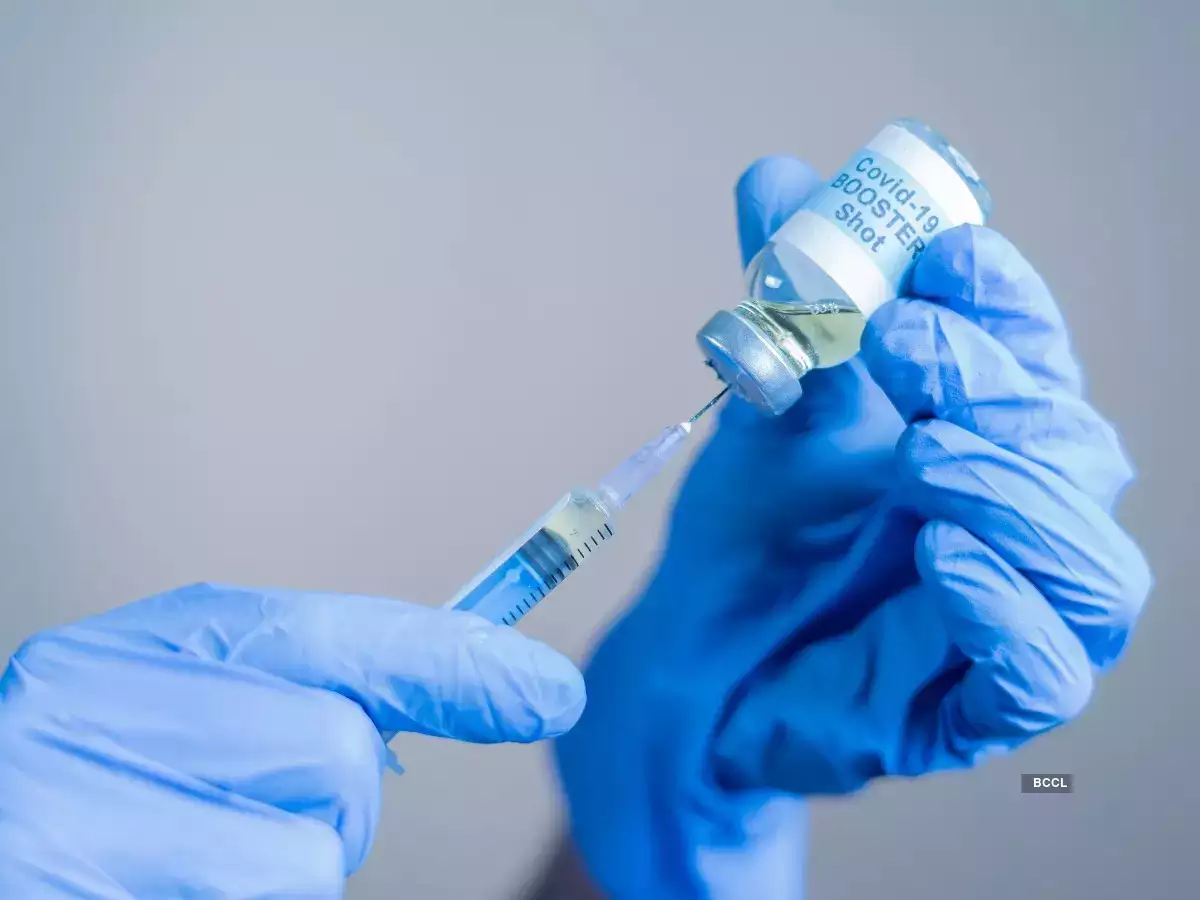
New Delhi, 11 July 2025: The United States is witnessing its most severe measles outbreak in over three decades, with over 1,200 confirmed cases and three related deaths reported in the first half of the year. The outbreak has spread across dozens of states, marking the worst surge since 1992 and raising serious public health concerns. Once considered eliminated, measles is now making a disturbing comeback, fueled by declining vaccination rates, misinformation, and gaps in immunity within certain communities.
A major factor driving this resurgence is a drop in routine childhood vaccinations. In recent years, overall coverage for the measles, mumps, and rubella (MMR) vaccine has fallen below the critical threshold needed to maintain herd immunity. Communities with lower vaccine uptake have been hit the hardest, with clusters of cases spreading rapidly among unvaccinated individuals. Public health officials have pointed out that in most of the recent cases, patients had either not received the vaccine or had unknown immunization status.
Children typically receive the MMR vaccine in two doses — the first between 12 to 15 months of age, and the second between 4 to 6 years. One dose provides around 93% protection, while two doses increase effectiveness to approximately 97%. If a child misses a dose, a catch-up vaccination is recommended at any age. In areas with active outbreaks or international travel, an early dose may be advised for infants under 12 months. Measles is an extremely contagious virus that can spread through the air and linger in a room for up to two hours after an infected person leaves. One infected person can spread the disease to up to 18 others if they’re unvaccinated. Complications can include pneumonia, brain swelling (encephalitis), hearing loss, and even death. Infants, pregnant women, and immunocompromised individuals are particularly at risk.
Vaccinating children not only protects them but also those who cannot be vaccinated due to medical reasons. If a child who hasn’t been vaccinated is exposed to measles, a post-exposure vaccine within 72 hours can still offer some protection. In certain cases, especially for infants or those with weakened immune systems, immune globulin injections may be administered as an alternative defense. Quick medical action can help limit the severity of the illness or prevent it altogether. The recent outbreak has been worsened by false claims and confusion around vaccine safety, which have eroded public trust. Health experts stress that the MMR vaccine is safe, well-tested, and crucial in preventing large-scale outbreaks.
Efforts are being made to rebuild confidence in vaccines through community outreach, education, and clear communication, especially in areas where hesitancy remains high. Parents are advised to check their child’s vaccination records and schedule any missed doses immediately, follow the recommended MMR vaccine schedule to ensure full protection, limit exposure during outbreaks especially for infants and people with underlying conditions, and recognize the early symptoms such as high fever, cough, runny nose, red eyes, and a characteristic rash, and seek immediate medical attention if these appear.
The re-emergence of measles after three decades is a stark reminder of the importance of routine vaccinations. The MMR vaccine remains the most powerful tool to protect children and communities from this potentially deadly disease. Timely action, accurate information, and renewed public awareness are critical to preventing further spread and safeguarding the health of future generations.













Leave a comment