

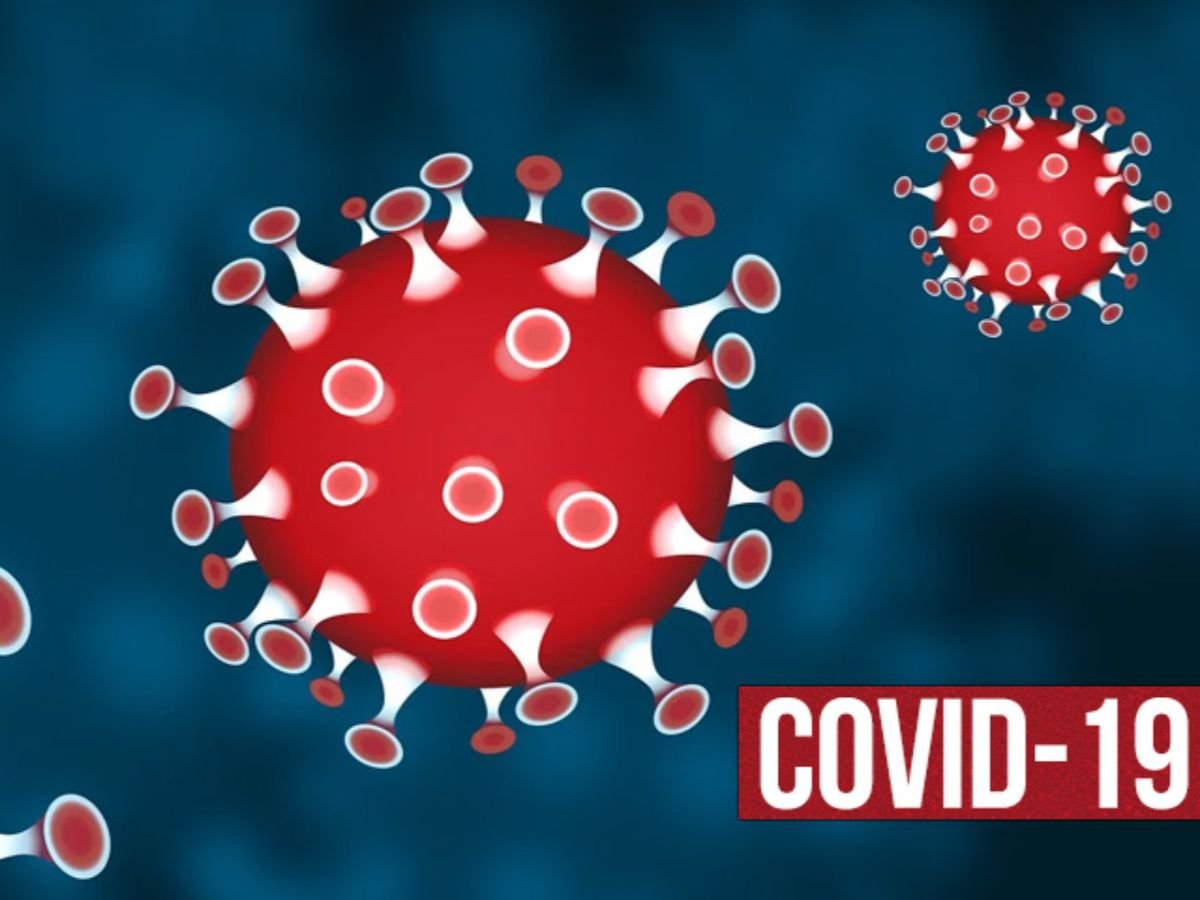
New Delhi, 03 December 2024: A groundbreaking study has unveiled that the COVID-19 virus, caused by SARS-CoV-2, can persist in the skull and the brain’s protective meninges long after the initial infection. This revelation sheds light on the lingering neurological symptoms experienced by many COVID-19 survivors, often referred to as “long COVID.” These findings, published in a leading medical journal, highlight the need for continued vigilance and further research into the long-term effects of the virus.
The Persistence of SARS-CoV-2 in the Skull and Brain
Researchers have discovered traces of SARS-CoV-2 in the skull and meninges—the membranes that encase the brain—months or even years after recovery from acute COVID-19. The virus appears to evade the immune system, persisting in these hidden compartments.
The study revealed:
Presence of Viral RNA: Samples from post-mortem examinations confirmed viral genetic material in the cranial tissues.
Neurological Implications: Prolonged viral presence is linked to inflammation and neurological symptoms such as brain fog, headaches, and fatigue.
Mechanisms of Persistence: The virus may enter the brain through the olfactory nerve or bloodstream, embedding itself in less accessible regions.
Impact on Long COVID Patients
Long COVID, a condition affecting millions globally, is characterized by a range of symptoms persisting for months after the initial infection. Many patients report debilitating cognitive and neurological issues, often termed as “neuro-COVID.”
Common symptoms include:
Memory problems
Difficulty concentrating (“brain fog”)
Chronic headaches
Mood changes, including anxiety and depression
Sleep disturbances
This study suggests that these symptoms could be driven by the lingering presence of the virus in the skull and meninges, triggering ongoing inflammation and immune responses.
The Role of Inflammation in Neuro-COVID
The persistent presence of SARS-CoV-2 in the skull may lead to chronic inflammation, disrupting normal brain function. Inflammatory markers found in cerebrospinal fluid samples from long COVID patients support this hypothesis. This ongoing inflammation can damage neural pathways, contributing to the wide array of symptoms associated with long COVID.
Methodology of the Study
The study involved a comprehensive analysis of brain and skull tissue from deceased COVID-19 patients. Researchers employed advanced imaging techniques and molecular assays to detect viral presence. The findings are significant as they provide direct evidence of viral persistence in areas of the body previously thought to be immune to long-term infection.
Key insights:
Skull Marrow as a Reservoir: The virus was found in bone marrow within the skull, suggesting a potential hiding spot for SARS-CoV-2.
Immune Evasion: The virus appeared to evade typical immune responses, allowing it to persist for extended periods.
Implications for Treatment: This discovery opens avenues for targeted therapies to eliminate the virus from these reservoirs.
Why Does the Virus Persist?
Several theories explain the prolonged presence of the virus in the skull and meninges:
Immune Privilege of the Brain: Certain regions of the brain are shielded from robust immune surveillance, allowing pathogens to persist.
Incomplete Clearance: The immune system may fail to completely eradicate the virus, especially in protected compartments.
Viral Latency: SARS-CoV-2 might adopt a latent state, similar to other viruses like herpes, reactivating under certain conditions.
Implications for Global Health
The findings have profound implications for understanding and managing long COVID:
Diagnostic Advances: Identifying persistent viral reservoirs could lead to better diagnostic tools for long COVID patients.
Therapeutic Strategies: Targeted antiviral therapies might be developed to clear the virus from the skull and brain.
Public Health Awareness: Highlighting the potential for long-term complications emphasizes the importance of vaccination and preventive measures.
Future Research Directions
While the study provides critical insights, it also raises new questions:
How Common Is Viral Persistence? Ongoing research is needed to determine how frequently the virus persists in recovered patients.
Who Is at Risk? Identifying risk factors for viral persistence can help in predicting and managing long COVID cases.
Can the Virus Reactivate? Understanding whether the virus can become active again could inform treatment strategies.
Research into long COVID must continue to explore these avenues, ensuring comprehensive care for affected individuals.
What Can Patients Do?
If you are experiencing long COVID symptoms, consult a healthcare provider for appropriate management. Practices such as maintaining a healthy lifestyle, engaging in cognitive exercises, and seeking mental health support can help alleviate symptoms.
Vaccination remains a key preventive measure, reducing the risk of severe infection and long-term complications.
The discovery of SARS-CoV-2 persisting in the skull and brain meninges underscores the complexity of COVID-19 and its long-term impact on health. While this research provides critical insights into the mechanisms of long COVID, it also highlights the importance of continued global efforts to combat the pandemic and its lingering effects.
















Leave a comment