

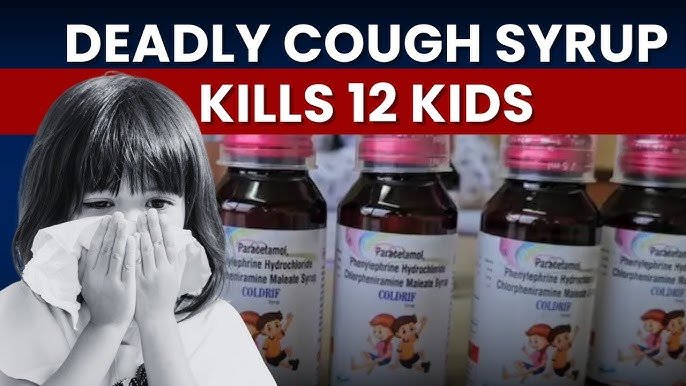
New Delhi, 09 October, 2025: Recent reports of cough syrup contamination in Rajasthan and Madhya Pradesh have raised serious public health concerns, particularly after multiple child deaths were linked to the use of adulterated formulations. Health authorities have confirmed the presence of toxic solvents in certain batches of cough syrups, triggering investigations and recalls.
In light of this, experts — including a senior paediatrician from All India Institute of Medical Sciences — have issued an urgent advisory for parents, caregivers, and healthcare providers on how to keep children safe and what red flags to look out for.
Why the Contamination Is So Dangerous
Cough syrups are among the most commonly used over-the-counter medications in India, especially for children. However, the use of toxic substances such as diethylene glycol (DEG) or ethylene glycol in manufacturing can lead to severe kidney and neurological damage, particularly in young children.
These toxic chemicals are sometimes used as cheaper alternatives to pharmaceutical-grade solvents — a dangerous cost-cutting practice. Once ingested, these compounds can accumulate in the body, damaging vital organs, leading to respiratory distress, coma, and even death in severe cases.
“Even a small quantity of contaminated cough syrup can be life-threatening to children. Parents must not take any chances and should only use medicines prescribed by a qualified doctor,” warned a senior paediatrician from AIIMS.
How Contaminated Cough Syrup Affects the Body
When toxic solvents enter the bloodstream, they can affect multiple organ systems.
Potential health effects include:
- Acute kidney failure
- Neurological symptoms such as seizures and confusion
- Respiratory distress or rapid breathing
- Low urine output or no urination
- Nausea, vomiting, and abdominal pain
In some cases, children may initially appear fine but deteriorate rapidly within 24–72 hours after ingestion.
Red Flags to Watch Out For
Parents and caregivers should monitor children closely if they have consumed any cough syrup from unverified or unprescribed sources. Warning signs include:
- Persistent vomiting or refusal to eat
- Breathing difficulty or rapid breathing
- Unusual sleepiness, drowsiness, or seizures
- Decreased or no urination
- Sudden high fever
If any of these symptoms appear, immediate hospitalization is critical.
Dos and Don’ts from Paediatric Experts
In response to the recent incidents, AIIMS paediatricians have shared key safety guidelines:
Dos
- Consult a certified doctor before giving any cough syrup to children.
- Check batch numbers and expiry dates carefully before use.
- Buy only from licensed pharmacies and avoid unlabelled or suspicious products.
- Store medications properly, away from heat and sunlight.
- Report any adverse effects immediately to healthcare authorities.
Don’ts
- Don’t self-medicate or give leftover syrups.
- Don’t purchase medicines from unverified online sources.
- Don’t assume a “mild cough syrup” is always safe.
- Don’t delay medical attention if symptoms arise.
“Parents often underestimate over-the-counter medicines, but in reality, cough syrups are among the most commonly misused drugs in India. A contaminated product can be fatal within hours,” the AIIMS expert stressed.
What the Government Is Doing
Health officials in both Rajasthan and Madhya Pradesh have launched urgent investigations. Suspected batches have been recalled, and two doctors have been arrested in connection with negligence.
The Central Drugs Standard Control Organization (CDSCO) has stepped in to test all suspected samples. Hospitals and clinics in affected districts have also been instructed to report any cases of unusual pediatric illness linked to cough syrup use.
This is not the first time India has faced a crisis due to contaminated cough syrups. Similar incidents have occurred in the past, underscoring the need for strict regulatory oversight and public awareness.
How to Verify Medicine Safety
To protect children from similar incidents in the future, experts advise parents to:
- Verify the brand name and manufacturer.
- Look for government approvals or CDSCO registration numbers on the label.
- Avoid syrups with unclear labelling or spelling errors.
- Use government portals or apps to check for drug recalls or safety alerts.
- Always keep a record of the medicine (batch number and name) in case of adverse reactions.
The Bigger Picture: Safe Medication Practices
India’s over-the-counter medication culture often leads to casual use of syrups and tablets — particularly for children’s coughs and colds, which are frequently viral and don’t require antibiotics or heavy medication.
Doctors stress that:
- Most coughs in children are self-limiting and improve with hydration, steam inhalation, and rest.
- Unnecessary use of syrups may do more harm than good.
- If symptoms persist beyond 5–7 days or worsen, professional evaluation is needed.
The recent contamination scare is a wake-up call for parents, healthcare professionals, and authorities alike. While regulations can minimize such incidents, awareness and caution at the household level can save lives.
Never administer cough syrup without medical guidance, always check labels, and act fast if adverse symptoms arise.
Bad medicine can turn a minor cold into a life-threatening emergency. A few extra minutes of caution can make all the difference.













Leave a comment