

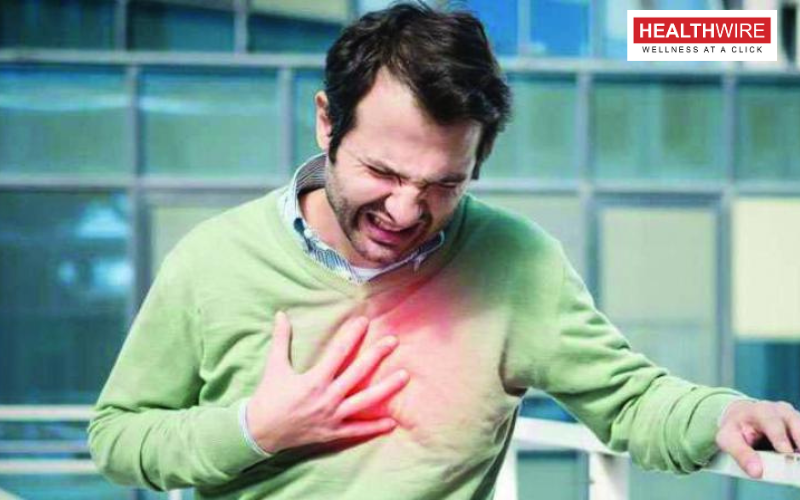
New Delhi, 18 November, 2025: Chronic obstructive pulmonary disease (COPD) and heart disease are two of the most common chronic illnesses worldwide—and they frequently occur together. For many patients, the diagnosis of COPD is followed by the discovery of cardiovascular problems, or vice versa. This overlap is not a coincidence. Instead, it reflects a complex interaction between the lungs and the heart, shared risk factors, and the body’s response to long-term inflammation. Understanding why these conditions often coexist can help patients and caregivers manage both more effectively.
Shared Risk Factors
One of the major reasons COPD and heart disease occur together is that they share many of the same risk factors. The most significant is smoking. Cigarette smoke damages the lungs, leading to chronic bronchitis and emphysema—two hallmark features of COPD. At the same time, smoking injures blood vessels, accelerates plaque buildup (atherosclerosis), increases blood pressure, and reduces oxygen transport. This combination significantly raises the risk of coronary artery disease, heart failure, and heart attacks.
Other shared risk factors include:
- Age – Both conditions are more common after age 50.
- Sedentary lifestyle – Low physical activity weakens cardiovascular fitness and lung capacity.
- Air pollution – Long-term exposure to polluted air increases inflammation in both the lungs and blood vessels.
- Genetics – Some individuals inherit a predisposition to both COPD and heart disease.
Because the same factors damage both systems, it’s not surprising that many patients with COPD also develop cardiovascular complications.
The Lungs and the Heart: A Close Partnership
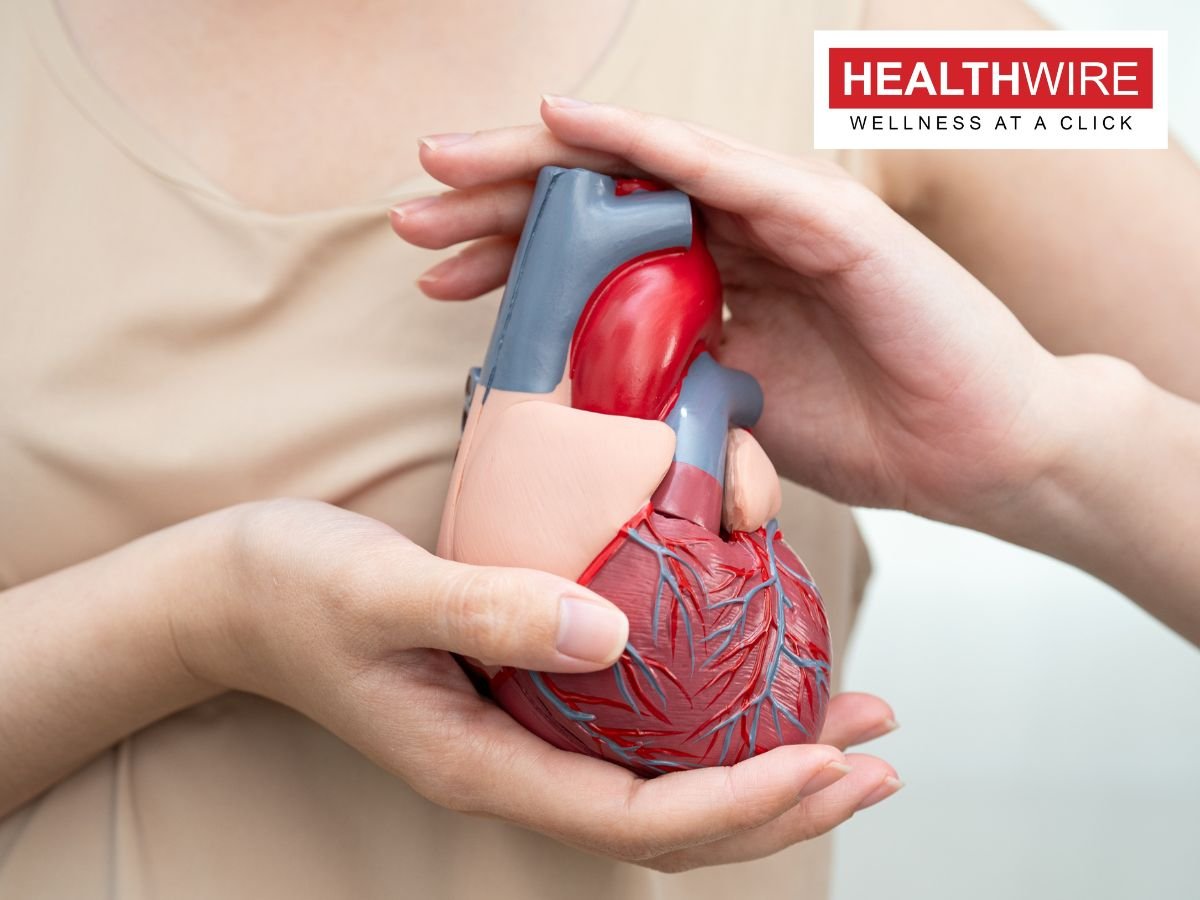
To understand the link between the two conditions, it helps to consider how closely the lungs and heart work together. The lungs supply oxygen, while the heart pumps that oxygen-rich blood throughout the body. When one system is weakened, the other must work harder.
In COPD, narrowed airways and damaged lung tissue make it difficult to breathe and reduce the lungs’ ability to oxygenate blood. This forces the heart—especially the right side, which pumps blood to the lungs—to work harder to compensate for the reduced oxygen. Over time, this increased workload can lead to right-sided heart failure, also known as cor pulmonale.
Chronic Inflammation: A Key Underlying Mechanism
COPD is characterized by chronic inflammation of the airways. This inflammation doesn’t stay confined to the lungs; it can spill over into the bloodstream and circulate throughout the body. Systemic inflammation is a major contributor to the development of heart disease because it weakens blood vessels, promotes plaque formation, and increases the risk of blood clots.
Patients with COPD commonly exhibit elevated levels of inflammatory markers like C-reactive protein (CRP), which is also associated with cardiovascular diseases. This makes inflammation one of the strongest biological links between COPD and heart disease.
Low Oxygen Levels and Increased Strain on the Heart
Another important connection is hypoxia, or low blood oxygen levels. Many people with COPD experience low oxygen during sleep or physical exertion. Chronic hypoxia causes the blood vessels in the lungs to constrict, raising the pressure the right side of the heart must pump against. Over time, this leads to pulmonary hypertension and puts additional strain on the heart muscle.
Hypoxia also affects the rest of the body. It can disrupt normal heart rhythms, trigger the release of stress hormones, and worsen chest pain in people with coronary artery disease. These effects make cardiovascular complications more likely in COPD patients.
Lifestyle Impact and Reduced Physical Activity
Both COPD and heart disease limit physical activity. Shortness of breath, fatigue, and chest discomfort often make exercise difficult. Reduced activity leads to muscle weakness, weight gain or loss, and worsening cardiovascular fitness. As a result, patients with both conditions may enter a cycle in which inactivity accelerates the decline of both heart and lung function.
How Managing One Condition Helps the Other
Because COPD and heart disease are so closely linked, treating one condition often benefits the other. For example:
- Smoking cessation dramatically decreases the risk of heart attacks and slows COPD progression.
- Pulmonary rehabilitation improves exercise tolerance and cardiovascular fitness.
- Oxygen therapy can relieve strain on the heart in advanced COPD.
- Heart medications, such as beta-blockers, are now considered safe for most COPD patients and can improve survival.
Managing inflammation, nutrition, weight, and activity levels also supports both lung and heart health.
Conclusion
COPD and heart disease often occur together because they share common risk factors, involve interconnected organ systems, and are influenced by widespread inflammation and low oxygen levels. Recognizing the connection between these conditions is essential for early diagnosis, comprehensive treatment, and better long-term outcomes. With the right strategies, patients can reduce symptoms, improve quality of life, and protect both their heart and lungs.













Leave a comment