Home Lifestyle & Wellness Climbing Stairs Vs. Brisk Walking: Which Is Better For Fast Weight Loss?
Lifestyle & Wellness

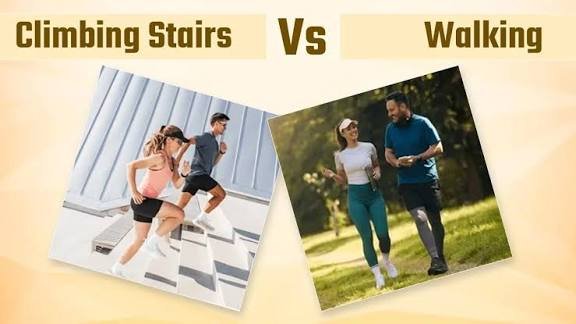
Climbing Stairs Vs. Brisk Walking: Which Is Better For Fast Weight Loss?

Share
Share

Weight Loss Tips: Are you trying to lose weight but not able to do so? Well, we got your back. Today, we will share one of the easiest ways to lose weight – without hitting the gym or following a heavy diet. Wondering what? Scroll down to know it all!

In an era defined by sedentary office culture and rising metabolic risks, the choice between vertical and horizontal movement has become a critical debate in preventive cardiology. While the traditional brisk walk has long been the cornerstone of losing weight or extra fat from the body, emerging data suggests that stair climbing offers a more potent, time-efficient alternative for effective weight loss. As India faces a growing burden of Non-Communicable Diseases (NCDs), understanding the physiological impact of these two accessible exercises is essential for effective lifestyle intervention.

Brisk Walking or Climbing Stairs: Which Is Better For Weight Loss?

If you are wondering which one of the above is better for fast weight loss, then make sure to read this article till the end.

While both brisk walking and stairs climbing can be done without using any equipments, the two are different forms of exercises that focus on different body muscles – this here is a complete dissection of these two forms of exercises and which one works better when it comes to effective weight loss.
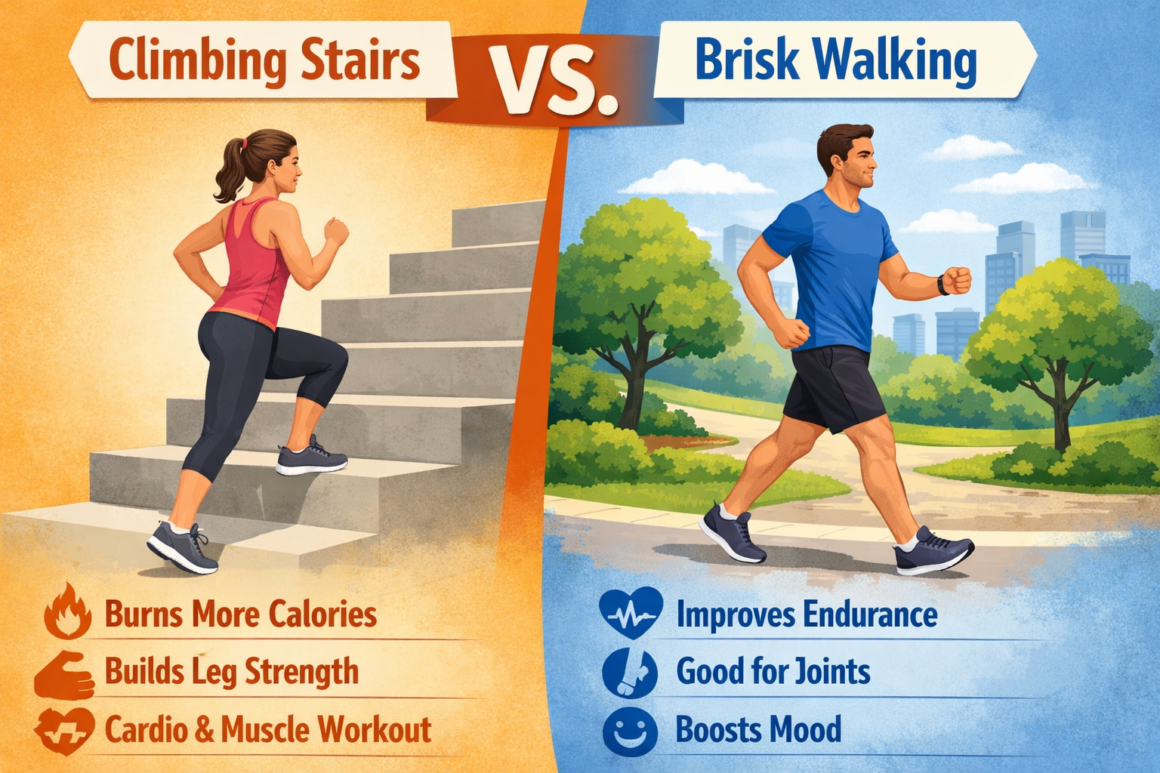
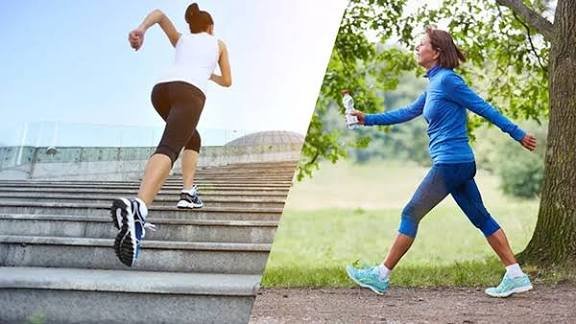
Burns More Calories: Climbing stairs is generally considered a higher-intensity workout compared to brisk walking.

Easy And Accessible: While climbing stairs can be little too much for those with knee problems and other peripheral arterial issues, brisk walking is calming and requires less energy levels.

Increased Intensity Workout: Walking on level ground is a low-impact, steady-state activity, whereas stair climbing works more muscles, especially the legs, glutes, and core. Increased activation of these muscles results in increased energy expenditure.

Working Against Gravity: When you walk, your body is moving in a horizontal plane. Stair climbing, however, involves pushing your body upwards against gravity and taking more effort and calories.

Pumps Better Blood: As stair climbing is more intensive, it increases the heart rate rapidly, which results in higher calories burnt within a shorter period of time as compared to walking.

More Muscle Engagement: Brisk walking primarily exercises the lower legs and calves, with stair climbing exercising the quadriceps, hamstrings, glutes, and core. Exercising more muscles burns more calories.

Conclusion: Which One Should You Chose?

For many people, combining both activities provides the greatest benefit. Incorporating stair climbing for intensity and brisk walking for longer, steady sessions creates a balanced fitness routine that supports cardiovascular health, muscular strength, and overall well-being.

Follow us for such interesting information and health tips.

Share
Written by
Swapna Karmakar

Swapna Karmakar is an experienced Health Journalist and the Editorial Lead at Healthwire Media. She has a background in investigative reporting and a deep interest in community health and regulatory updates within the medical sector. Swapna focuses on bridging the gap between healthcare providers and patients by crafting narratives that simplify medical terminology without losing clinical depth. Her research process involves analyzing peer-reviewed journals and official regulatory notifications from bodies like the National Medical Commission (NMC) to provide timely news to both healthcare professionals and the general public. Swapna’s work is characterized by a commitment to transparency and evidence-based reporting. Outside of health reporting, she is an avid traveler and explorer of cultural landscapes. 

Don't Miss

Obstetrics & Gynecology

Egg Quality and Fertility: How Age Impacts IVF Success and Your Chances of Conception

Fertility is influenced by biological factors and understanding these factors is important when discussing reproductive health. Along with age another closely related aspect...

Lifestyle & Wellness

Talking to Yourself Isn’t Weird: Psychology Says It Boosts Intelligence and Emotional Strength

Self talk has been misconstrued as weird or awkward socially. Nevertheless, according to the current psychology, the opposite is true, that self- talk...

Lifestyle & Wellness

From Siddha Walk to Healing Walk: Yoga Asanas That Calm Your Mind and Uplift Mood

Yoga For Good Mood: Emotional balance is closely linked to how the body moves and how the breath flows. According to a yoga...

Diet & Nutrition

Are Ultra-Processed Foods Causing Bone Loss? Experts Explain the Risks

Ultra-processed foods and bone health: Who would have thought that foods meant to support your overall wellbeing could actually pose a risk to...

Why Meal Timing Matters: How Your Eating Schedule Affects Digestion, Weight, and Energy
Diet & Nutrition

Why Meal Timing Matters: How Your Eating Schedule Affects Digestion, Weight, and Energy

Many people consider healthy eating based on the kind of food they eats but the timing according to the experts is equally crucial....

Section title

Related Articles
Lifestyle & Wellness

First 48 hours after an injury: Expert-backed dos and don’ts to reduce swelling, pain, and speed up recovery

Twisting an ankle while running, straining a hamstring while playing, or hurting...

Lifestyle & Wellness

Uric Acid Crystals in Urine: Symptoms, Causes, Risks, and Prevention

Uric acid problems are increasingly common today. This issue is no longer...

Lifestyle & Wellness

Silent crisis in men’s health: Why ignoring symptoms is putting millions of lives at risk

In today’s world, men usually put their health last on their list...