

New Delhi, 30 September, 2025: When it comes to natural remedies for stronger, longer, and healthier hair, two oils dominate the conversation—castor oil and coconut oil. Both have been used for centuries in traditional beauty practices, trusted by generations for their nourishing and restorative qualities. But when it comes to new hair growth, which one is actually better?
In this article, we’ll explore the unique benefits, drawbacks, and expert advice on castor oil and coconut oil to help you make an informed choice.
Why Hair Oils Matter
Oiling hair isn’t just a cultural ritual—it’s a scientifically backed practice. Oils help by:
- Providing essential nutrients to the scalp.
- Strengthening the hair shaft and reducing breakage.
- Protecting against dryness and damage from styling.
- Improving blood circulation to the scalp when massaged.
Castor Oil: The Growth Booster
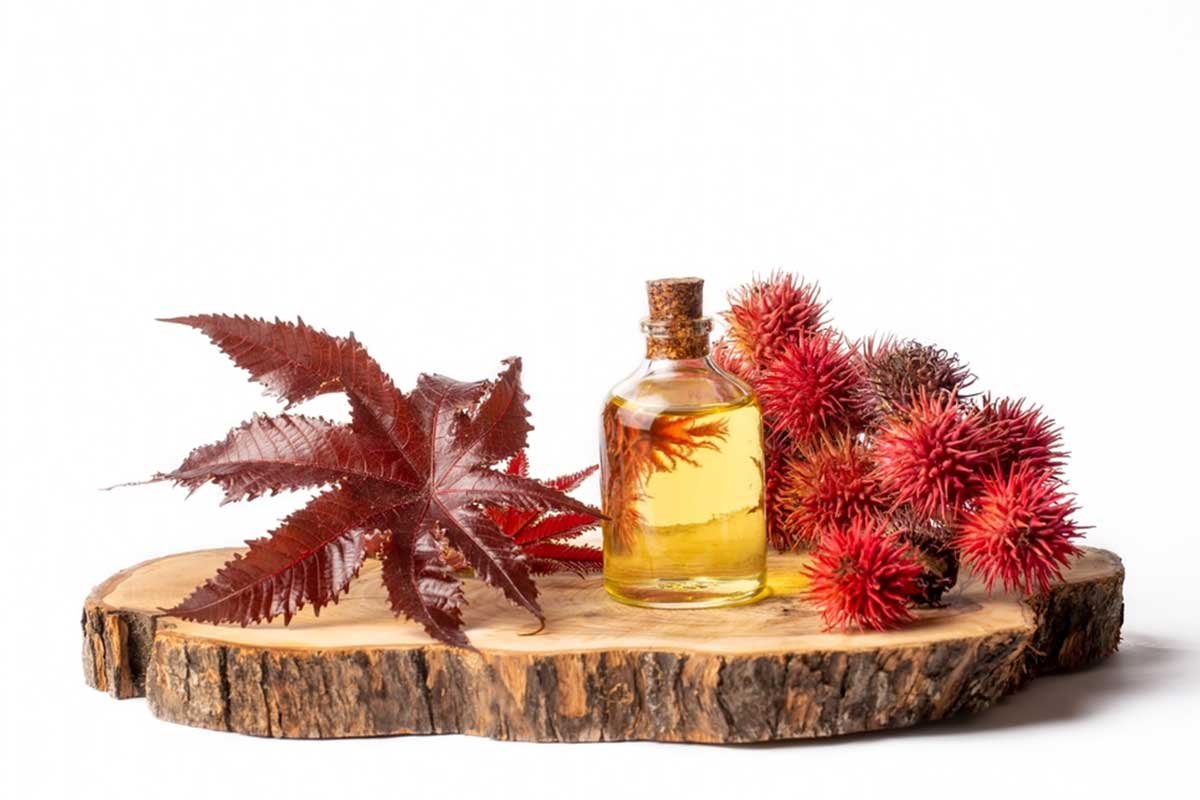
Castor oil is derived from the seeds of the castor plant (Ricinus communis). Known for its thick, sticky texture, it is rich in nutrients that make it a favorite for hair regrowth treatments.
Key Benefits of Castor Oil for Hair:
- Rich in Ricinoleic Acid
- Enhances blood circulation to the scalp.
- Promotes stronger, faster hair growth.
- Moisturizing Power
- Seals moisture into hair strands.
- Helps with dry, brittle hair and split ends.
- Antibacterial & Antifungal Properties
- Keeps scalp infections at bay.
- Helps with dandruff and itchiness.
- Thicker Appearance
- Makes hair look fuller due to its coating nature.
Drawbacks of Castor Oil:
- Extremely thick, making it hard to apply or wash out.
- Can cause buildup if used excessively.
- Not suitable for oily scalp types if applied too often.
Coconut Oil: The Protector
Coconut oil, extracted from the flesh of coconuts, is lighter than castor oil and one of the most popular hair oils worldwide. Its unique structure allows it to penetrate deep into the hair shaft, providing nourishment from within.
Key Benefits of Coconut Oil for Hair:
- Deep Penetration
- Contains lauric acid that bonds with hair proteins.
- Prevents protein loss, keeping hair strong.
- Scalp Health
- Soothes irritation and dryness.
- Has mild antibacterial and antifungal effects.
- Reduces Hair Breakage
- Prevents damage from heat and styling.
- Reduces split ends and frizz.
- Adds Shine & Smoothness
- Makes hair soft, manageable, and glossy.
Drawbacks of Coconut Oil:
- May weigh down fine or thin hair.
- Can cause buildup if not washed properly.
- Doesn’t directly stimulate hair growth like castor oil.
Castor Oil vs Coconut Oil: A Side-by-Side Comparison
| Feature | Castor Oil | Coconut Oil |
|---|---|---|
| Texture | Thick, sticky | Light, smooth |
| Main Benefit | Stimulates growth, thickens hair | Strengthens hair, reduces protein loss |
| Best For | Dry scalp, hair thinning | Frizz, damage, scalp health |
| Application Frequency | 1–2 times a week | 2–3 times a week |
| Ease of Use | Difficult to apply/wash out | Easy to apply, absorbs quickly |
What Experts Say
“Castor oil is excellent for those struggling with hair thinning or patchy growth, but it should be used sparingly because of its heavy texture. Coconut oil, on the other hand, is an everyday go-to for scalp health and maintaining hair strength,” explains Dr. Shalini Raj, Dermatologist at Fortis Hospital.
“The best results often come when the two are combined—coconut oil helps carry castor oil deeper into the scalp, reducing its stickiness and improving absorption,” adds Dr. Karan Kapoor, Trichologist.
How to Use Castor Oil and Coconut Oil
For Castor Oil:
- Warm slightly before applying.
- Mix with a lighter oil (like coconut or almond oil) for easier application.
- Massage into scalp for 5–10 minutes.
- Leave on for 1–2 hours (or overnight) and wash with a mild shampoo.
For Coconut Oil:
- Can be applied directly without mixing.
- Best used slightly warm for better absorption.
- Massage gently into scalp and hair ends.
- Leave for at least 30 minutes before washing.
DIY Mix for Hair Growth:
- 2 tbsp castor oil + 2 tbsp coconut oil.
- Massage into scalp twice a week.
- Rinse with lukewarm water and gentle shampoo.
Which One Is Better for New Hair Growth?
If your primary goal is stimulating new hair growth, castor oil has the edge due to its ricinoleic acid content and circulation-boosting properties. However, coconut oil is unmatched in maintaining overall hair health, preventing damage, and ensuring new hair remains strong and nourished.
Best Strategy: Use both oils together—castor oil for growth, coconut oil for nourishment.
Safety Tips
- Always do a patch test before using oils to rule out allergies.
- Avoid excessive use; 1–2 times a week is sufficient.
- Wash thoroughly to prevent buildup.
- Use cold-pressed, organic oils for maximum benefits.
When it comes to the debate of castor oil vs coconut oil for healthy hair, the answer isn’t one-size-fits-all. Castor oil is the go-to for promoting new hair growth, while coconut oil excels at protecting and nourishing existing strands. Together, they form a powerful combination that can help you achieve the lush, healthy hair you’ve always wanted.
So, instead of choosing one, why not harness the benefits of both? With consistency and care, your hair will thank you.

















Leave a comment