


New Delhi, 20 July 2025: Heart attacks often conjure the image of sudden, intense chest pain. But for many, especially adults over 30, the signs are subtler and often missed. These “silent” or lesser-known symptoms can easily be mistaken for everyday discomforts or digestive issues. The danger lies in this very confusion—ignoring these signals allows damage to build over time. While some heart attacks may strike suddenly and without warning, others creep up with symptoms that many dismiss. Early detection can make the difference between life and death. It’s vital to understand the unusual signs your heart may be struggling before it’s too late.
1. Shortness of Breath – Even Without Chest Pain
Breathlessness during physical activity is expected, but if you find yourself winded doing simple tasks like climbing stairs, walking, or even talking, it could be a red flag. This happens because the heart isn’t pumping enough blood to meet the body’s demands, and the lungs compensate, making you feel out of breath. For some, this is the first and only sign before a heart attack strikes. If shortness of breath comes on suddenly, especially while resting or sleeping, it should never be ignored.
2. Fatigue That Doesn’t Go Away
Unexplained exhaustion, especially in women, is one of the most overlooked signs of a brewing heart problem. Feeling unusually tired even after adequate sleep or becoming extremely fatigued after light physical activity are red flags. This type of fatigue is different from everyday tiredness—it feels more like being drained and unable to function normally. If your energy levels drop significantly and there’s no clear reason for it, consider a heart check-up. Your heart may be struggling silently.
3. Indigestion, Nausea, or Stomach Pain
Digestive discomfort isn’t always about what you ate. Some people experience heart attacks that mimic indigestion, with burning sensations in the stomach, bloating, or even nausea. This is especially common in women. The nerves that supply the heart and the digestive system are close, so sometimes heart pain gets misinterpreted as stomach issues. If indigestion-like symptoms are persistent, severe, or accompanied by sweating or discomfort in other areas like the chest or arms, it’s time to seek emergency help.
4. Chest Tightness, Pressure, or Discomfort
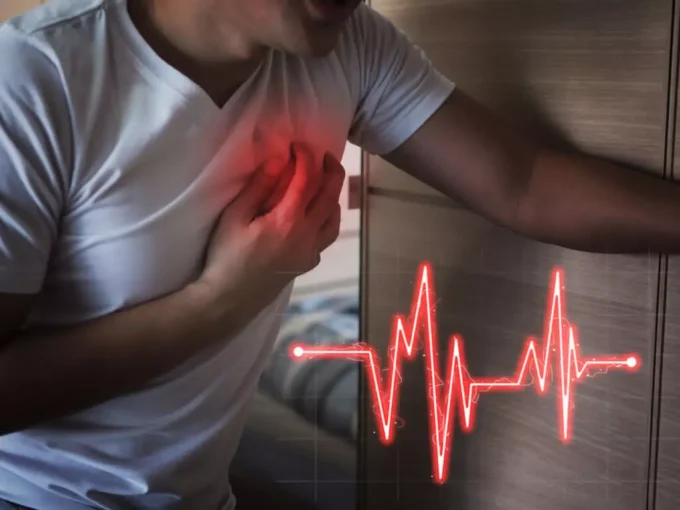
This symptom might not feel like the classic ‘elephant on the chest’ scenario. Instead, people may describe it as pressure, fullness, tightness, or a burning sensation. It may last a few minutes, go away, and then return. Unlike sharp pain, this discomfort is more vague and persistent. It might feel like someone is squeezing your chest or that something heavy is sitting on it. This pressure can spread to the shoulders, arms, neck, or jaw, and if this happens, immediate medical attention is crucial.
5. Pain in the Arms, Neck, Jaw, or Back
Radiating pain isn’t always in the chest. Sometimes, a heart attack announces itself with discomfort in areas like the left arm, upper back, jaw, or neck. This happens because the pain signals from the heart shared by nerves in these areas. The pain may come and go or feel dull, heavy, or sharp. If it doesn’t have an obvious cause, such as muscle strain, and it’s persistent or accompanied by other signs like nausea or sweating, it should taken seriously.
6. Sudden Sweating or Cold Clammy Skin
Unexpected sweating—especially cold, clammy sweat—without any physical exertion is a classic sign of cardiac distress. If you’re sitting or lying down and suddenly break out into a sweat, particularly if it’s accompanied by nausea, dizziness, or chest discomfort, your heart may be in trouble. This symptom results from the body’s stress response to reduced blood flow and oxygen. Many heart attack survivors describe cold sweats as a sensation unlike anything they had felt before.
Who’s Most at Risk?
Men over 40 and women over 50 are generally more prone to heart attacks, but age is not the only factor. Genetics, smoking, a sedentary lifestyle, poor diet, high blood pressure, diabetes, and unmanaged stress all increase risk. Interestingly, many people who suffer heart attacks were unaware they were even at risk because they had no prior symptoms or were not diagnosed with heart conditions. That’s why it’s essential to stay alert to any unusual bodily changes, especially if you fall under a high-risk category.
When Should You Seek Help?
The answer is simple—don’t wait for all symptoms to appear. If you experience even one of these signs, especially if it’s new, unusual, or concerning, consult a healthcare provider or go to the emergency room. Time is critical during a heart attack. The longer you delay, the more heart muscle can damaged, which affects long-term health outcomes.
Heart attacks are not always dramatic. Many arrive quietly, disguised as fatigue, digestive discomfort, or mild aches. By ignoring these signs, people risk their lives. Whether you’re young or old, fit or unfit, understanding the body’s early distress signals can be lifesaving. Adopt a heart-healthy lifestyle with regular checkups, balanced nutrition, and daily physical activity, and most importantly, take action the moment something feels off. Prevention and timely response remain the best defense against a silent killer.












Leave a comment