

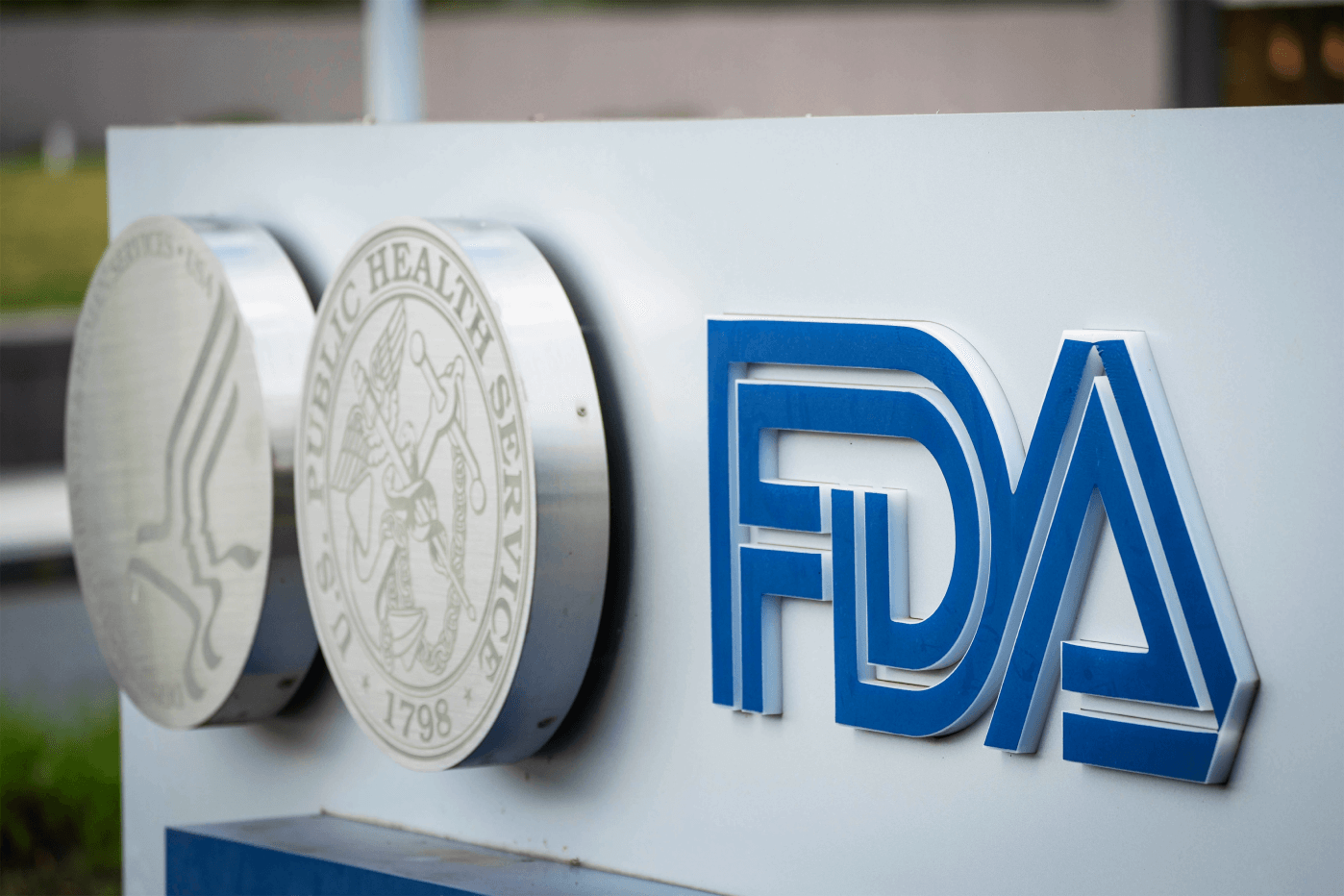
New Bipolar I And Schizophrenia Treatment: The US Food and Drug Administration (FDA) has approved Bysanti (Milsaperidone) made by Vanda Pharmaceuticals on 20 February 2026, for the treatment of acute manic or mixed episodes associated with Bipolar I disorder and schizophrenia. This breakthrough is a new chemical entity (NCE), expanding the atypical antipsychotic class, providing a novel therapeutic option.
What Does FDA Approval Mean?
This approval by the USFDA offers clinicians and patients an additional evidence-based tool to address severe mood and psychotic symptoms, which may lay the foundation for future indications, including adjunctive treatment in major depressive disorder. According to reports, the FDA submitted the New Drug Application (NDA) for Bysanti in April 2025, backed by multiple clinical studies which assessed the efficacy and safety of the drug.
Mihael H. Polymeropoulos, MD, President, Chief Executive Officer and Chairman of Vanda Pharmaceuticals, told the media, “The Bysanti approval marks a significant step forward, offering patients and providers a reliable new treatment grounded in extensive clinical heritage. Bysanti exemplifies a new era of accelerated innovation in drug development that can transform how we address unmet needs in behavioural health.”
WHO Guide To Managing Mental Health Disorders
Based on the Comprehensive Mental Health Action Plan 2013-2030 highlighted by the World Health Organization (WHO), following certain lifestyle changes can be beneficial for people with mental health conditions, including bipolar disorder. It includes:
- Regular sleep
- Physical activity
- Healthy diet
- Reduction of stressors
- Mood monitoring
The global health organization further adds, “Psychological interventions (e.g. cognitive behavioural therapy, interpersonal therapy, psychoeducation) can effectively reduce depressive symptoms and the possibility of them coming back.
“Family psychoeducation can also help families understand and support their loved one better. Support from family and friends is very important. Support groups – where people can receive encouragement, learn coping skills, and share experiences – can be helpful to people with bipolar disorder and their families. Medicines and psychological or psychosocial interventions should be tailored to the needs of the person and combined for best outcomes.”








Leave a comment