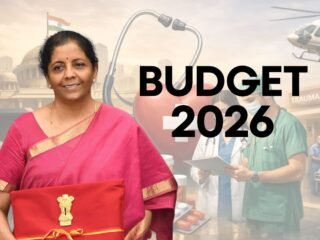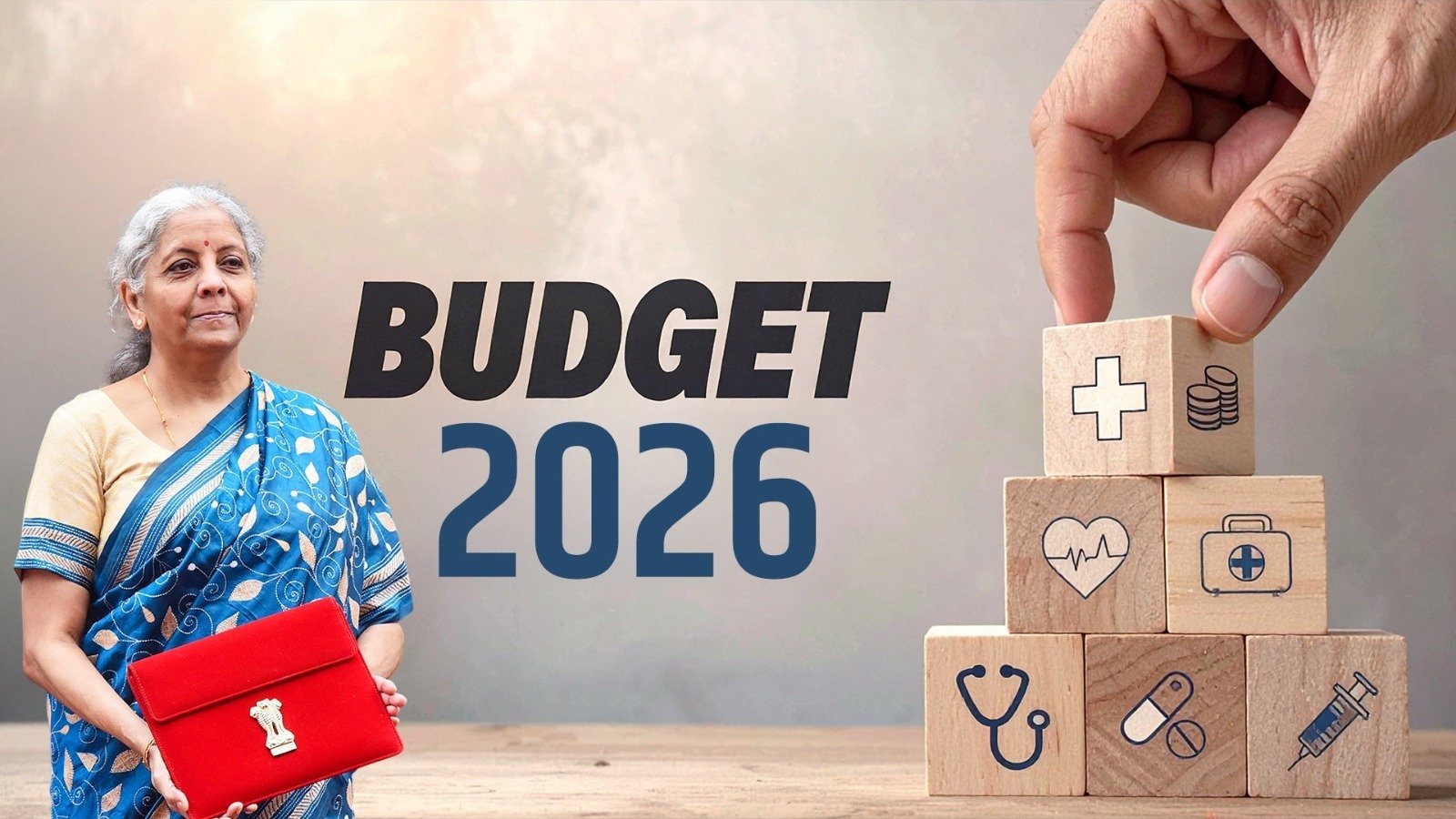
In a significant move aimed at making healthcare more affordable, Finance Minister Nirmala Sitharaman announced in the Union Budget 2026 that 17 cancer drugs and seven medicines for rare diseases will be exempt from customs duty. This decision is expected to provide much-needed relief to patients battling life-threatening illnesses while strengthening India’s commitment to improving access to essential medicines.
Reducing Costs for Critical Treatments
The exemption of customs duty on these life-saving medicines is designed to lower their overall cost for patients. Imported drugs, especially those used in oncology and for rare diseases, are often expensive due to import duties, logistical costs, and regulatory compliance. By removing customs duties, the government aims to make these medicines more affordable and accessible, particularly for patients from middle- and lower-income groups.
Experts say this move could significantly reduce the out-of-pocket expenditure for families dealing with chronic and severe health conditions. According to healthcare economists, treatment costs for cancer and rare diseases can often run into lakhs of rupees annually. Even a small reduction in customs duties can help patients access medicines more quickly and reliably.
Supporting Patients with Rare Diseases
Rare diseases, by definition, affect a small population, and treatments for these conditions are often costly and hard to access. By including seven medicines for rare diseases in the customs duty exemption, the government is signalling its commitment to addressing unmet medical needs. Patient advocacy groups have long demanded policy measures that make rare disease treatment more affordable. This announcement aligns with such calls and could help India become more patient-friendly for those living with rare conditions.
Boosting the Healthcare and Pharmaceutical Sector
Apart from benefiting patients, the customs duty exemption is also expected to support the pharmaceutical and healthcare sectors. By reducing the cost burden of importing critical medicines, domestic distributors, hospitals, and pharmacies may see improved availability and pricing flexibility. This could, in turn, improve the efficiency of the supply chain and encourage investment in the import and distribution of advanced therapeutic drugs.
Pharmaceutical analysts also note that easing import duties could encourage collaboration between Indian and foreign drug manufacturers, speeding up access to innovative treatments and cutting-edge therapies. It may also help India emerge as a hub for specialty medicines, especially in oncology and rare disease segments.
A Step Towards Affordable Healthcare
This move is part of a broader vision outlined in the Union Budget 2026 to make healthcare affordable, accessible, and inclusive. Alongside other measures such as increased allocations for public healthcare, preventive programs, and insurance coverage, the exemption of customs duty on critical drugs is expected to ease the financial burden on patients and families.
Healthcare experts welcomed the decision, noting that it would directly impact patients’ ability to afford life-saving treatments. Dr. Ritu Sharma, an oncologist in Delhi, said, “Customs duty exemptions on these drugs can reduce treatment costs by a significant margin. For many patients, this could mean the difference between access to therapy and delayed treatment.”
While this measure targets cancer and rare disease medications, experts suggest that the government could consider expanding duty exemptions to other critical therapeutic areas in the future, including chronic and cardiovascular diseases. With rising healthcare costs and a growing burden of lifestyle and chronic illnesses, such policies could play a crucial role in making healthcare more equitable in India.
Overall, the customs duty exemption for 17 cancer drugs and seven rare disease medicines marks a progressive step toward affordable healthcare, demonstrating the government’s commitment to patient welfare while supporting the growth of the pharmaceutical sector. For patients battling severe illnesses, this could be a lifeline, ensuring that life-saving medications are within reach.