Avian influenza, commonly known as bird flu, has long been considered a threat primarily to poultry and wild birds. Yet in recent decades, the highly pathogenic H5N1 strain has demonstrated a worrying ability to infect humans, raising concerns among scientists and public health authorities worldwide. The question now is no longer just about outbreaks in birds—it is whether H5N1 could adapt to human hosts, potentially sparking a pandemic.
Understanding H5N1, its transmission patterns, and its potential evolution is critical for governments, healthcare providers, and the public. This article explores the science, history, and global response to this high-risk virus.
What Is H5N1 Avian Influenza?
H5N1 is a subtype of the influenza A virus, a family that includes seasonal flu, swine flu (H1N1), and other bird-borne strains. It primarily infects birds, especially domestic poultry like chickens and ducks. Wild waterfowl act as natural reservoirs, often carrying the virus without showing symptoms.
H5N1 is classified as highly pathogenic, meaning it can cause severe illness and high mortality in birds. Human infections are rare but extremely dangerous, with case fatality rates exceeding 50% in confirmed cases.
How H5N1 Spreads – EXPLAINED
1. Animal-to-Animal Transmission
The virus spreads rapidly among birds through:
- Direct contact with infected birds
- Contaminated droppings, feed, or water
- Movement of poultry products
Industrial poultry farms and live bird markets are particularly high-risk environments for outbreaks.
2. Animal-to-Human Transmission
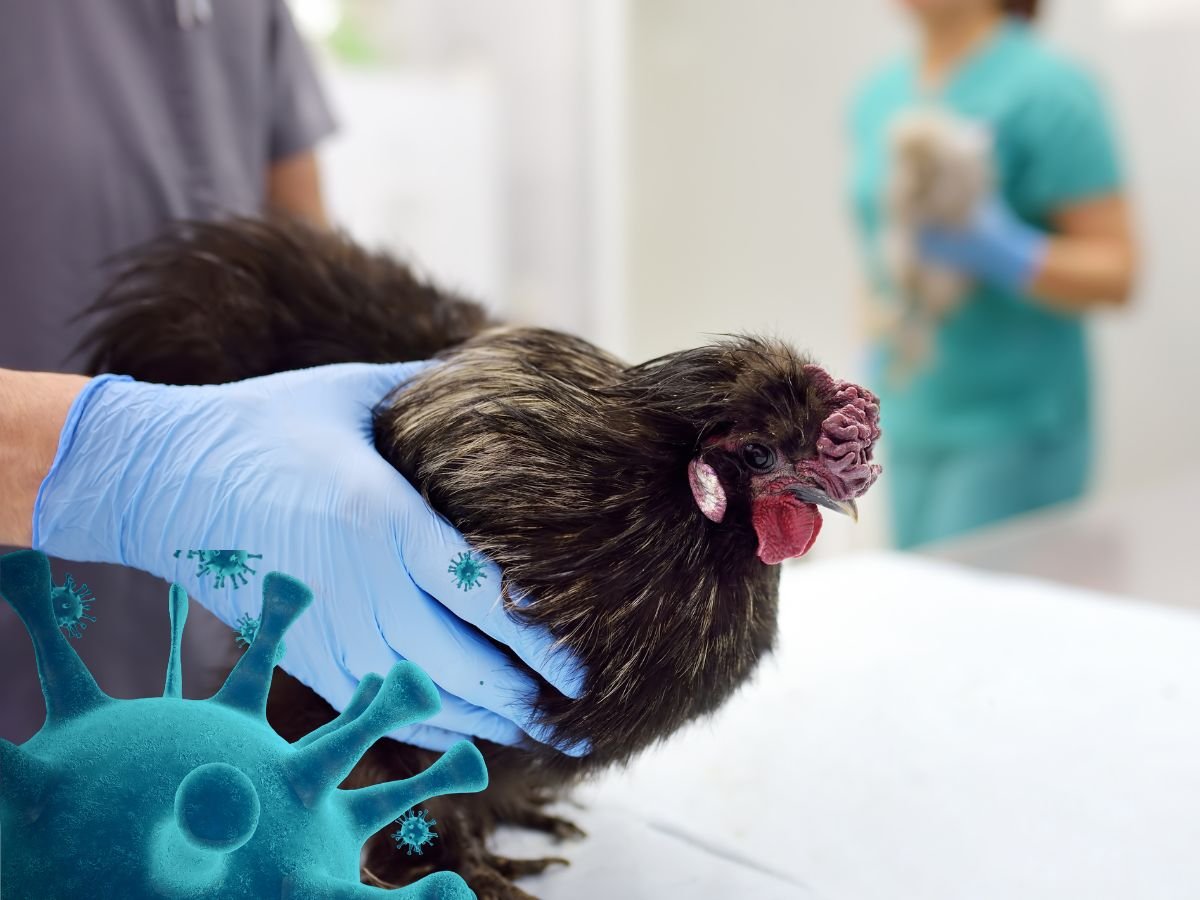
Human infections are typically sporadic and occur when people are exposed to infected birds. This can happen through:
- Handling sick or dead poultry
- Slaughtering or defeathering infected birds
- Contact with contaminated surfaces or secretions
Unlike seasonal flu, human-to-human transmission is rare, but documented cases indicate it is possible under close contact.
H5N1 Human Cases: What We Know So Far
Since its first human infection in Hong Kong in 1997, H5N1 has caused over 800 confirmed cases across 17 countries, according to the World Health Organization (WHO). Fatalities have been devastating: over 50% of infected individuals have died.
Notable outbreaks include:
- Southeast Asia (2003–2005): Thousands of poultry deaths and human infections in Vietnam, Thailand, and Indonesia
- Egypt (2014–2016): H5N1 became endemic in poultry, resulting in periodic human cases
- Recent Sporadic Cases (2022–2025): Isolated human infections reported in Asia and Europe
While the total number of human cases remains low, the high fatality rate makes even isolated infections alarming.
Signs and Symptoms of H5N1 Infection in Humans
Symptoms often start like common influenza but can rapidly progress to severe disease:
- Fever and chills
- Cough and sore throat
- Muscle aches
- Shortness of breath
Severe cases may develop:
- Pneumonia
- Acute respiratory distress syndrome (ARDS)
- Multi-organ failure
Rapid diagnosis and treatment are critical. Antiviral drugs like oseltamivir can reduce severity if administered early.
Why Scientists Are Concerned About Human Adaptation
The biggest fear surrounding H5N1 is its potential to mutate. For a pandemic to occur, the virus must:
- Efficiently infect humans
- Transmit easily between humans
- Evade pre-existing immunity
Currently, H5N1 infects humans inefficiently, but the virus is constantly evolving in birds. Each human infection represents an opportunity for adaptation and genetic change, raising the risk of a strain capable of sustained human-to-human transmission.
Laboratory studies have shown that a few mutations could allow airborne transmission in mammals. This does not mean an immediate pandemic, but it underscores the need for vigilant surveillance.
Factors Driving H5N1 Risk
1. Dense Poultry Populations
High-density poultry farming creates conditions for rapid virus amplification and mutation. Countries with large poultry industries, like China, Indonesia, and Vietnam, are at higher risk of generating novel strains.
2. Live Bird Markets
Markets where multiple species are sold in crowded conditions create “mixing vessels” for viruses. H5N1 and other avian influenza strains can exchange genes, producing more virulent variants.
3. Human Behavior
Close contact with infected birds, poor biosecurity in farms, and inadequate hygiene practices increase the chance of human infection.
4. Global Trade and Travel
Transport of poultry, both legal and illegal, can move the virus across borders. While human-to-human transmission is limited, trade accelerates the geographic spread of avian strains.
Recent Trends: Is H5N1 Becoming More Human-Friendly?
Recent genetic analyses suggest some H5N1 strains are acquiring mutations that may enhance binding to human respiratory cells, potentially increasing transmissibility. While these adaptations are not yet sufficient for a pandemic, they are a warning signal for public health authorities.
Furthermore, sporadic human clusters, particularly among family members or healthcare workers exposed to infected birds, indicate limited human-to-human spread is possible.
How Governments and Global Health Agencies Are Responding
1. Surveillance and Early Detection
- Monitoring poultry farms and wild birds for outbreaks
- Testing suspected human cases promptly
- Genetic sequencing of viruses to detect mutations
2. Vaccination Strategies
- Poultry vaccination programs in endemic regions
- Stockpiling of human vaccines and antivirals for high-risk groups
3. Public Awareness Campaigns
- Educating farmers and communities about safe handling of birds
- Promoting hygiene and biosecurity measures in markets and farms
4. International Cooperation
WHO, FAO, and OIE coordinate efforts to monitor and respond to outbreaks, share virus samples, and issue public health guidelines.
Why India Should Watch H5N1 Closely
India’s geography, biodiversity, and poultry industry make it particularly vulnerable:
- Large domestic and backyard poultry populations
- Migratory bird routes passing through northern India
- Dense human settlements near bird habitats
Past sporadic outbreaks of avian influenza in poultry underscore the need for proactive surveillance and public education to prevent human cases.
Challenges in Controlling H5N1
- Underreporting: Many poultry infections go undetected, particularly in rural areas.
- Vaccine Limitations: Poultry vaccines reduce but do not eliminate viral spread.
- Mutation Risk: Constant viral evolution makes containment difficult.
- Global Coordination: Cross-border trade and wildlife migration require international monitoring and rapid response.
What Individuals Can Do
While the risk to humans is currently low, precautionary measures are essential:
- Avoid contact with sick or dead birds
- Maintain strict hygiene when handling poultry
- Cook poultry and eggs thoroughly
- Report suspected outbreaks to local authorities
Healthcare providers also play a critical role in early detection, treatment, and containment.
H5N1 remains primarily a bird virus, but its high fatality rate and genetic adaptability make it a global concern. Scientists emphasize that preventing spillover events is easier and safer than reacting to a human-adapted pandemic.
The virus is a reminder that human health is intertwined with animal health. Protecting birds, monitoring mutations, and maintaining biosecurity are not optional—they are essential for preventing the next global health crisis.
Preparing for the Next Spillover
Avian influenza is a persistent threat because viruses are constantly evolving, and human behaviors are increasing opportunities for cross-species transmission. While H5N1 has not yet caused sustained human-to-human transmission, each outbreak is a warning.
Global preparedness, scientific vigilance, and public awareness are the best tools to ensure that bird flu remains a concern for poultry farms—not the human population at large.