

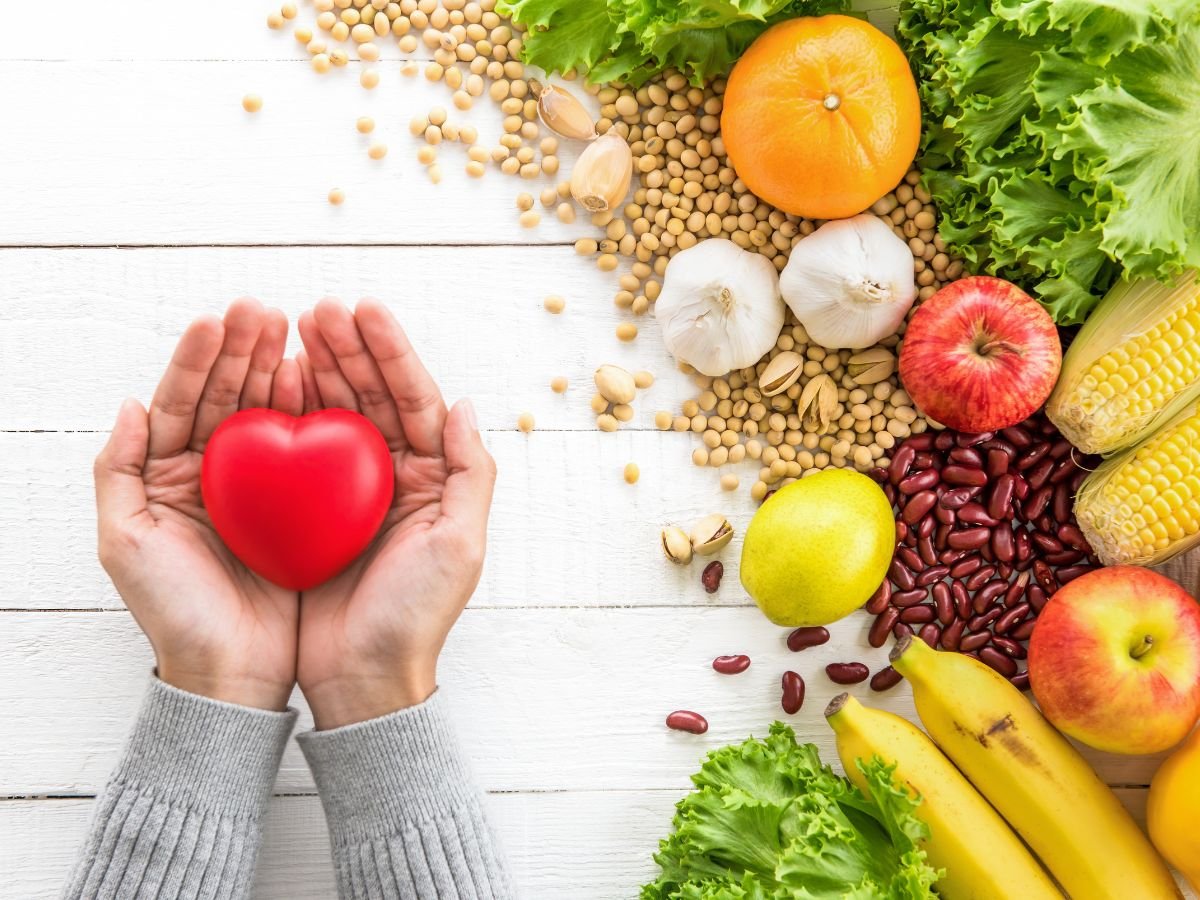
New Delhi, 01 September 2025: Heart disease remains one of the leading causes of death worldwide, and one of its troubling conditions is arrhythmia, or irregular heartbeat. Arrhythmia occurs when the electrical signals that coordinate the heart’s beats don’t work properly, causing the heart to beat too fast, too slow, or irregularly. While some arrhythmias may be harmless, others can be life-threatening and increase the risk of stroke or sudden cardiac arrest.
But there’s some good news—new research suggests that your diet plays a crucial role in lowering the risk of irregular heartbeat. The study highlights that certain foods, rich in nutrients and antioxidants, may help protect the heart and regulate its rhythm. Let’s take a closer look at the findings, what arrhythmia means for your health, and the foods you should add to your plate for better heart protection.
Understanding Irregular Heartbeat (Arrhythmia)
The heart has a natural pacemaker that regulates its rhythm. In arrhythmia, this rhythm is disrupted. It may feel like your heart is racing, fluttering, or skipping beats. Common types of arrhythmia include:
- Atrial fibrillation (AFib): The most common type, where the upper chambers of the heart beat irregularly.
- Bradycardia: A slow heartbeat.
- Tachycardia: A fast heartbeat.
- Ventricular fibrillation: A dangerous type where the heart quivers instead of pumping.
Symptoms may include palpitations, dizziness, fatigue, chest pain, and shortness of breath. In some cases, arrhythmias show no symptoms at all but can still cause complications.
The Study: Diet and Arrhythmia Risk
Researchers have found that nutrient-rich foods, especially those containing omega-3 fatty acids, antioxidants, magnesium, and potassium, can lower the risk of irregular heartbeat. The study analyzed dietary patterns across thousands of participants and concluded that those who ate more heart-healthy foods had a significantly lower risk of developing arrhythmia compared to those on unhealthy diets.
The key takeaway: food is not just fuel—it can act as medicine for your heart.
Foods That May Reduce the Risk of Irregular Heartbeat
1. Fatty Fish (Salmon, Mackerel, Sardines, Tuna)
- Why it helps: Fatty fish are rich in omega-3 fatty acids, which help reduce inflammation, lower triglycerides, and stabilize heart rhythm.
- Study insight: People who consumed fish at least twice a week had a lower incidence of atrial fibrillation.
- Tip: Grill or bake fish instead of frying for maximum benefit.
2. Leafy Green Vegetables (Spinach, Kale, Swiss Chard)
- Why it helps: These greens are packed with magnesium and potassium, two minerals crucial for proper heart rhythm.
- Low magnesium levels have been linked to a higher risk of arrhythmia.
- Tip: Add a handful of spinach to smoothies or soups daily.
3. Berries (Blueberries, Strawberries, Raspberries)
- Why it helps: Berries are loaded with antioxidants and polyphenols that fight oxidative stress, a major contributor to heart disease and arrhythmia.
- Tip: Snack on a cup of fresh berries or add them to yogurt for a heart-friendly dessert.
4. Nuts and Seeds (Almonds, Walnuts, Flaxseeds, Chia Seeds)
- Why it helps: Nuts and seeds provide healthy fats, fiber, magnesium, and antioxidants. Walnuts and flaxseeds, in particular, are great sources of omega-3s.
- Tip: A handful of nuts daily can help improve cholesterol levels and protect your heart.
5. Whole Grains (Oats, Brown Rice, Quinoa, Barley)
- Why it helps: Whole grains are rich in fiber and B vitamins, which lower cholesterol and regulate blood pressure. Stable blood pressure reduces strain on the heart and lowers arrhythmia risk.
- Tip: Replace refined carbs with whole grains at least once or twice a day.
6. Avocados
- Why it helps: Avocados are an excellent source of potassium, which helps maintain a steady heartbeat. They also contain heart-healthy monounsaturated fats.
- Tip: Spread avocado on whole-grain toast instead of butter for a heart-healthy breakfast.
7. Legumes (Beans, Lentils, Chickpeas)
- Why it helps: Legumes are high in plant protein, fiber, magnesium, and potassium. Regular intake lowers blood pressure, cholesterol, and inflammation.
- Tip: Add lentils to soups or salads for a protein boost.
8. Olive Oil
- Why it helps: A cornerstone of the Mediterranean diet, olive oil is rich in monounsaturated fats and antioxidants.
- Studies show it can reduce the risk of heart rhythm disturbances.
- Tip: Use extra virgin olive oil in salad dressings or drizzle over cooked vegetables.
9. Dark Chocolate (in moderation)
- Why it helps: Dark chocolate (at least 70% cocoa) contains flavonoids that improve circulation and reduce inflammation.
- Some studies suggest moderate consumption may reduce arrhythmia risk.
- Tip: Limit intake to a small square or two a few times a week.
10. Green Tea
- Why it helps: Green tea contains antioxidants called catechins that protect the heart and may regulate heart rhythm.
- Tip: Replace sugary drinks with green tea for a healthier option.
Foods to Limit or Avoid
Just as some foods can lower arrhythmia risk, others can trigger or worsen irregular heartbeat:
- Caffeine in excess (coffee, energy drinks) may trigger palpitations.
- Alcohol, especially binge drinking, is linked to atrial fibrillation.
- Processed and fried foods high in trans fats and sodium raise blood pressure and inflammation.
- Sugary snacks and drinks contribute to obesity, a major risk factor for heart disease.
Lifestyle Tips Along with Diet
Food is only one piece of the puzzle. To further reduce your risk of irregular heartbeat, consider:
- Regular Exercise – Brisk walking, cycling, or yoga improves heart health.
- Stress Management – Meditation, deep breathing, or mindfulness helps keep your heartbeat steady.
- Adequate Sleep – Poor sleep is linked to arrhythmias like AFib.
- Avoid Smoking – Tobacco damages blood vessels and increases heart risks.
- Regular Check-ups – Especially if you have high blood pressure, diabetes, or family history of heart disease.
Key Takeaways
Arrhythmia, or irregular heartbeat, can be a silent but dangerous condition, increasing the risk of stroke, heart failure, and sudden death. While genetics and underlying conditions play a role, your diet has a powerful impact on heart rhythm and overall cardiovascular health.
Incorporating foods like fatty fish, leafy greens, nuts, berries, legumes, and whole grains into your diet can reduce inflammation, stabilize heart rhythm, and strengthen your cardiovascular system. At the same time, limiting alcohol, excess caffeine, and processed foods can help minimize triggers.
In short, every bite you take influences your heart’s rhythm. By making simple but consistent changes to your eating habits, you can lower your risk of irregular heartbeat and protect your heart for the long term.













Leave a comment