

As the monsoon season sets in, the refreshing rains bring much-needed respite from the sweltering heat. However, the season also ushers in a host of health challenges. The increased humidity and stagnant water create a breeding ground for various infections and diseases, such as colds, flu, and gastrointestinal issues. One effective way to fortify your immune system and combat these ailments is by incorporating anti-inflammatory foods into your diet. Here’s a guide to some of the best anti-inflammatory foods to include in your monsoon diet.
Turmeric
Turmeric is a golden spice that has been revered for centuries for its medicinal properties. Curcumin, the active compound in turmeric, has powerful anti-inflammatory and antioxidant effects. Adding turmeric to your diet can help reduce inflammation and boost your immune response. You can incorporate turmeric into your meals by adding it to soups, curries, and even smoothies. A warm cup of turmeric milk before bed can also work wonders for your health.
Ginger
Ginger is another potent anti-inflammatory food that can help keep monsoon diseases at bay. Known for its ability to soothe the digestive system and reduce nausea, ginger is also effective in combating respiratory infections. You can add fresh ginger to your tea, use it in cooking, or consume it raw with a bit of honey. Ginger tea, in particular, is a comforting and effective remedy for a sore throat and congestion.
Green Leafy Vegetables
Green leafy vegetables like spinach, kale, and Swiss chard are rich in vitamins, minerals, and antioxidants that support overall health and reduce inflammation. These vegetables are high in vitamin C, which is essential for a robust immune system. Including a variety of green leafy vegetables in your diet can help you stay healthy during the monsoon season. You can enjoy them in salads, smoothies, or lightly sautéed with garlic and olive oil.
Berries
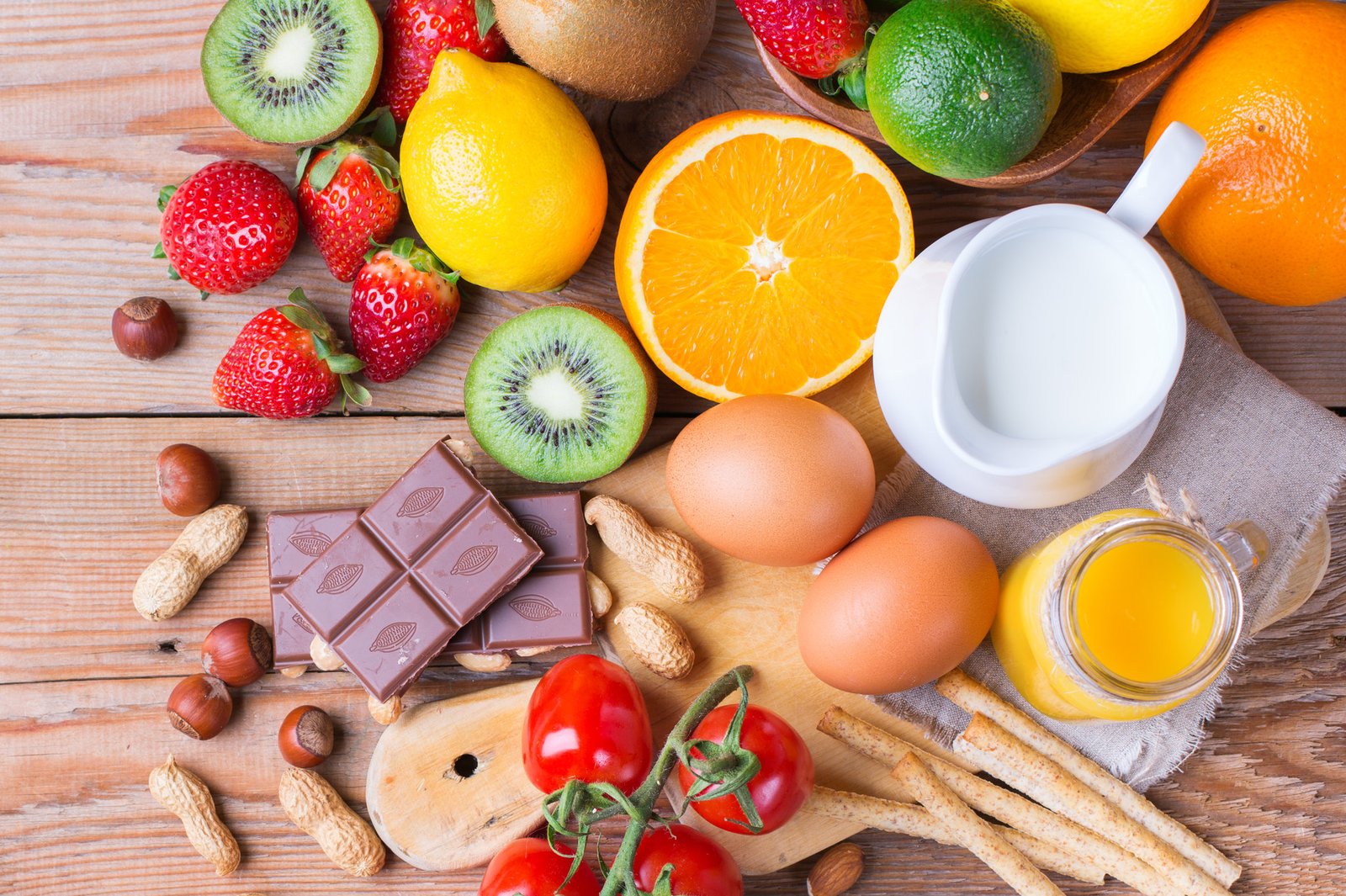
Berries such as blueberries, strawberries, and raspberries are packed with antioxidants and anti-inflammatory compounds like anthocyanins. These fruits help protect your body from oxidative stress and inflammation. Berries are versatile and can be added to your breakfast cereal, yogurt, or enjoyed as a healthy snack. Their high fiber content also supports good digestive health, which is crucial during the monsoon season.
Garlic
Garlic is a natural antibiotic and has been used for centuries to fight infections. It contains sulfur compounds that stimulate the immune system and enhance the body’s ability to combat pathogens. Incorporating garlic into your diet can help reduce the risk of infections common during the monsoon. You can add crushed or chopped garlic to your cooking or consume it raw with honey to maximize its benefits.
Nuts and Seeds
Nuts and seeds, such as almonds, walnuts, chia seeds, and flaxseeds, are excellent sources of healthy fats, protein, and antioxidants. They help reduce inflammation and support immune function. These foods are also rich in omega-3 fatty acids, which have strong anti-inflammatory properties. You can add them to your salads, smoothies, or enjoy them as a snack. A handful of mixed nuts and seeds can be a great addition to your daily diet.
Citrus Fruits
Citrus fruits like oranges, lemons, and grapefruits are high in vitamin C and other antioxidants that boost the immune system and reduce inflammation. These fruits are also hydrating and can help maintain electrolyte balance, which is important during the monsoon. You can enjoy citrus fruits as a snack, in salads, or as fresh juice to keep your immune system strong.
Incorporating anti-inflammatory foods into your diet is a natural and effective way to combat the common diseases associated with the monsoon season. By making these foods a regular part of your meals, you can strengthen your immune system, reduce inflammation, and stay healthy throughout the rainy season. Remember to pair these dietary choices with good hygiene practices and adequate rest to give your body the best chance of staying illness-free.
(By- Dr. Archana Batra, a Dietician, and a Certified Diabetes Educator)














Leave a comment