
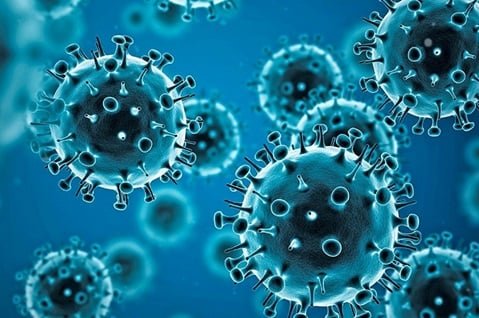
A new study has revealed that the heating up of Earth and the surge in human activities such as mining and shipping might lead to the release of ancient zombie pathogens stuck in permafrost in Siberia, which will prompt a deadly pandemic. Zombie viruses also known as Methuselah microbes have remained latent in permafrost for tens of thousands of years, but they have the potential to propagate and spread several diseases. As per the data, the year 2023 has been the hottest year on record, which has increased the risk of permafrost melting and eventually freeing the zombie viruses. Geneticist Jean-Michel Claverie says that at present, analyses of pandemic concerns emphasize diseases that may arise across southern regions and then transmit north.
Scientists warn that there are pathogens up there that contain the potential to make humans fall sick and cause a new disease epidemic. Permafrost conceals a fifth of the northern hemisphere and is constructed with soil that has below zero temperatures for a long time. There are some layers that have stayed frozen for thousands of years. The authors of the study have said that the vital fact about permafrost is that it is dark, cold, dark and does not contain oxygen, which is an apt atmosphere for conserving biological material. Therefore, the loss of Arctic sea ice due to global warming poses a huge risk to human health.
A virologist named Marion Koopmans says that other human activities such as massive mining operations, industrial development, shipping, and traffic in Siberia will cause huge holes in the deep permafrost. Scientists are unclear about what viruses are present in the permafrost, however, there is an actual risk that these viruses or pathogens might have the potential to cause a massive pandemic, which can pose a great threat to human life.

A Study Warns Zombie Viruses Iced up In Siberia Might Lead To A Frightening Pandemic



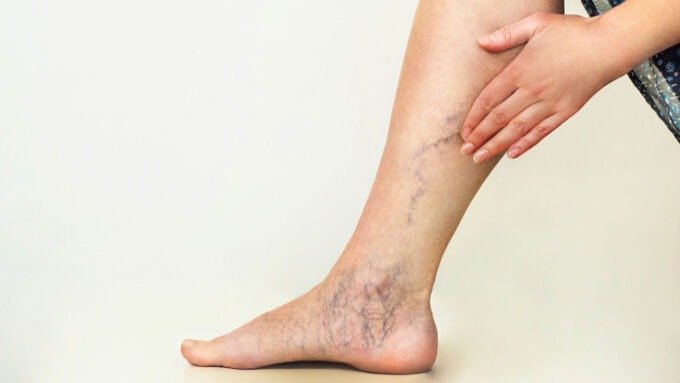
What Is Chronic Venous Insufficiency? Symptoms, Risk Factors & Best Treatments Explained
Chronic Venous Insufficiency (CVI): CVI represents a permanent medical condition which prevents leg veins from delivering sufficient blood volume back to the heart....
 Swapna Karmakar2 Mins read

Heart Failure vs Heart Attack: How to Identify Symptoms and Seek Timely Treatment
Heart failure remains one of the leading causes of morbidity, mortality, and hospitalization worldwide. Despite advances in pharmacological and device-based therapies over the...
Swapna Karmakar2 Mins read
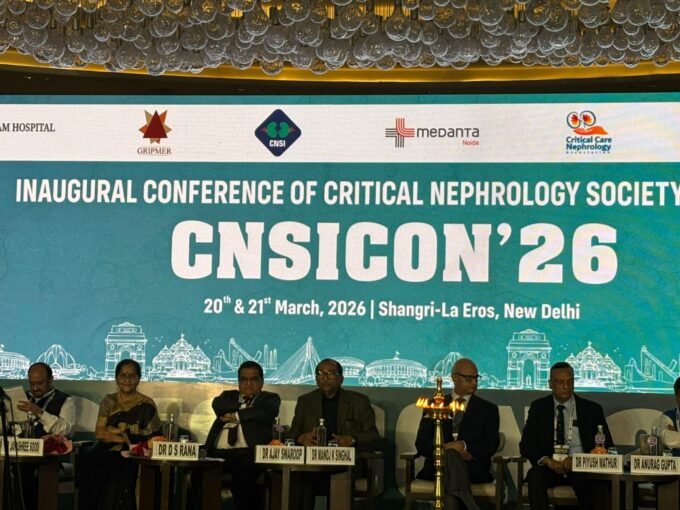
Critical Nephrology Society of India Launches CNSICON ’26 with Grand Inaugural Conference in Delhi
New Delhi, : The Critical Nephrology Society of India (CNSI) marked a historic milestone with the successful inauguration of its first annual conference,...
 kirti Shah1 Mins read
What is HMPV? Respiratory virus with cold-like symptoms surges across US
A respiratory virus known as Human Metapneumovirus (HMPV) is drawing increased attention as cases rise across parts of the United States. Often overshadowed...
Swapna Karmakar2 Mins read
Struggling With Anxiety? Try These Deep Breathing Techniques to Slow Your Heart Rate
Anxiety may be sudden, it can come in the form of a last minute rush, during stressful situations or even without a definite...
Swapna Karmakar2 Mins read

Sprain vs Fracture: Key signs to tell the difference and when to seek urgent care
A bad fall on the field, an awkward landing from a jump,...
Swapna Karmakar2 Mins read

Emotional resilience in relationships: How awareness and behavioural intelligence prevent conflict and strengthen communication
We have all heard the advice on communication that we need to...
Swapna Karmakar3 Mins read
New ‘Cicada’ COVID Variant Hits US: What BA.3.2 Means and Why Experts Are Watching Closely
Just when the world has started to feel a sense of normalcy...
Swapna Karmakar3 Mins read

Why Is Your Vision Still Blurry After New Glasses? Experts Explain Hidden Eye Conditions
For many, blurry vision immediately means one thing, the power of their...
Swapna Karmakar2 Mins read




Leave a comment