

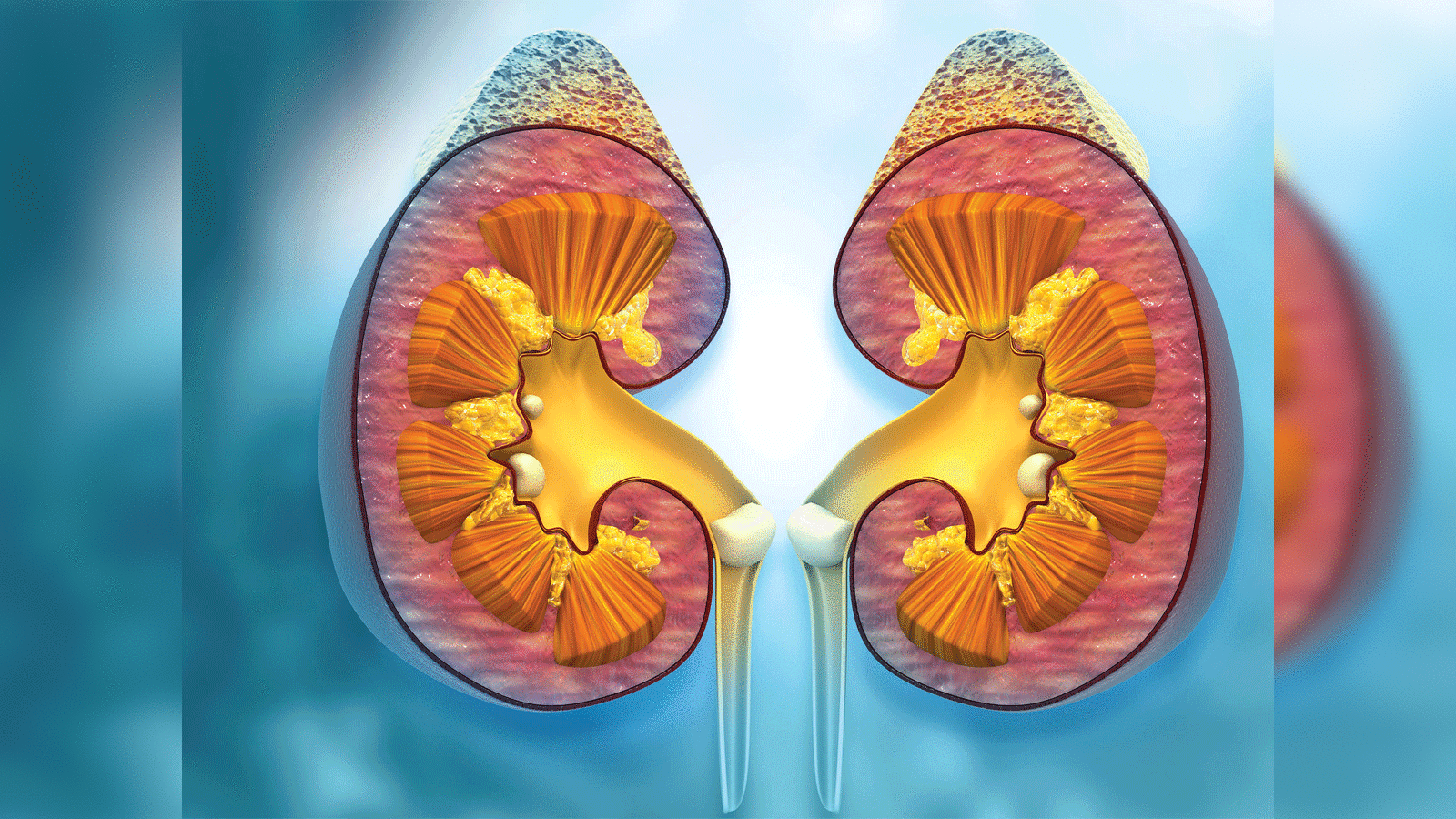
New Delhi, 11 September, 2025: Kidneys are two bean-shaped organs that play a critical role in filtering waste, balancing electrolytes, regulating blood pressure, and maintaining overall fluid balance in the body. Despite being only about the size of a fist, they work tirelessly to keep you healthy. Unfortunately, kidneys are vulnerable to a variety of diseases that can interfere with their functioning. In many cases, kidney problems progress silently until the damage is advanced, which is why awareness of different kidney diseases and their symptoms is vital.
In this article, we will explore eight different types of kidney diseases and their warning symptoms that everyone should know.
1. Chronic Kidney Disease (CKD)
What it is:
Chronic Kidney Disease is one of the most common and serious kidney conditions. It develops when the kidneys gradually lose their ability to filter blood effectively over months or years. CKD often results from long-term conditions like diabetes and high blood pressure.
Symptoms of CKD:
- Persistent fatigue and weakness
- Swelling in feet, ankles, and hands (edema)
- Trouble sleeping and concentration problems
- Frequent urination, especially at night
- Shortness of breath due to fluid build-up in the lungs
- Metallic taste in the mouth and loss of appetite
If left untreated, CKD can progress to end-stage renal disease, requiring dialysis or a kidney transplant.
2. Acute Kidney Injury (AKI)
What it is:
Acute Kidney Injury occurs suddenly when the kidneys stop functioning properly, usually within hours or days. This can be caused by dehydration, severe infections, certain medications, or blockage of urine flow.
Symptoms of AKI:
- Sudden decrease in urine output
- Swelling in legs and ankles
- Confusion or drowsiness
- Chest pain and shortness of breath
- Nausea and vomiting
Unlike CKD, AKI can often be reversed if treated quickly, but delayed care may lead to permanent kidney damage.
3. Polycystic Kidney Disease (PKD)
What it is:
PKD is a genetic disorder where fluid-filled cysts develop in the kidneys, causing them to enlarge and lose function over time. This hereditary disease often runs in families.
Symptoms of PKD:
- Pain or heaviness in the back or sides
- Enlarged abdomen due to swollen kidneys
- High blood pressure
- Blood in urine (hematuria)
- Kidney stones and frequent urinary tract infections (UTIs)
As the cysts grow, they may also damage other organs like the liver and pancreas.
4. Glomerulonephritis
What it is:
Glomerulonephritis is an inflammation of the glomeruli—the tiny filtering units inside the kidneys. It can result from infections, autoimmune diseases, or genetic factors.
Symptoms of Glomerulonephritis:
- Foamy urine due to protein leakage
- Blood in urine (appears pink or cola-colored)
- High blood pressure
- Swelling in face, hands, and feet
- Reduced urine output
If not managed, it may lead to chronic kidney disease.
5. Kidney Stones
What it is:
Kidney stones are hard deposits of minerals and salts that form inside the kidneys. They vary in size, from tiny grains to large stones that can block urine flow.
Symptoms of Kidney Stones:
- Sharp, severe pain in the back or side (renal colic)
- Pain radiating to the lower abdomen and groin
- Painful urination or burning sensation
- Blood in urine
- Nausea, vomiting, and frequent urge to urinate
Though small stones often pass naturally, larger ones may need medical procedures or surgery.
6. Urinary Tract Infections (UTIs) and Pyelonephritis
What it is:
When bacteria infect the urinary tract, it can spread to the kidneys, causing a severe infection called pyelonephritis. Recurrent infections can damage kidney tissue.
Symptoms of Pyelonephritis:
- High fever and chills
- Pain in the back, side, or groin
- Frequent urge to urinate
- Burning sensation while urinating
- Pus or blood in urine
- Nausea and vomiting
Prompt antibiotic treatment is essential to prevent kidney scarring.
7. Nephrotic Syndrome
What it is:
Nephrotic Syndrome is not a disease itself but a group of symptoms caused by damage to the kidney’s filtering units. This allows protein to leak into the urine.
Symptoms of Nephrotic Syndrome:
- Swelling around eyes, feet, and ankles
- Foamy urine due to excess protein
- Sudden weight gain from fluid retention
- Fatigue and loss of appetite
- Increased risk of infections and blood clots
It is commonly associated with conditions like diabetes, lupus, or glomerulonephritis.
8. Kidney Cancer
What it is:
Kidney cancer occurs when abnormal cells grow uncontrollably in the kidney. The most common type is renal cell carcinoma.
Symptoms of Kidney Cancer:
- Blood in urine
- Persistent pain in the side or back
- Unexplained weight loss
- Loss of appetite
- Lump in the abdomen
- Fatigue and anemia
Early detection is key, as kidney cancer often shows no symptoms in the initial stages
How to Protect Your Kidney Health
While some kidney diseases are genetic, many can be prevented or managed by adopting a kidney-friendly lifestyle.
Preventive Measures:
- Stay hydrated – Drink adequate water daily to support kidney filtration.
- Control blood sugar and blood pressure – Both are leading causes of kidney damage.
- Eat a balanced diet – Limit salt, processed foods, and red meat.
- Exercise regularly – Helps maintain a healthy weight and blood pressure.
- Avoid smoking and excessive alcohol – Both increase kidney disease risk.
- Limit painkillers and unnecessary antibiotics – Overuse can damage kidneys.
- Get regular kidney checkups – Especially if you have diabetes, hypertension, or a family history of kidney disease.
Key Takeaways
- The kidneys play a vital role in filtering waste and maintaining overall health.
- Conditions like CKD, AKI, PKD, kidney stones, UTIs, nephrotic syndrome, glomerulonephritis, and kidney cancer affect millions worldwide.
- Symptoms such as swelling, fatigue, foamy urine, blood in urine, or sudden changes in urination should never be ignored.
- Early detection, proper treatment, and lifestyle changes can prevent irreversible kidney damage.
Kidney diseases are often called “silent killers” because symptoms may only appear after significant damage has occurred. Understanding the different types of kidney problems and recognizing their warning signs early can make a life-saving difference. Protecting your kidneys is not just about avoiding disease—it’s about ensuring your overall health, energy, and longevity.
















Leave a comment