

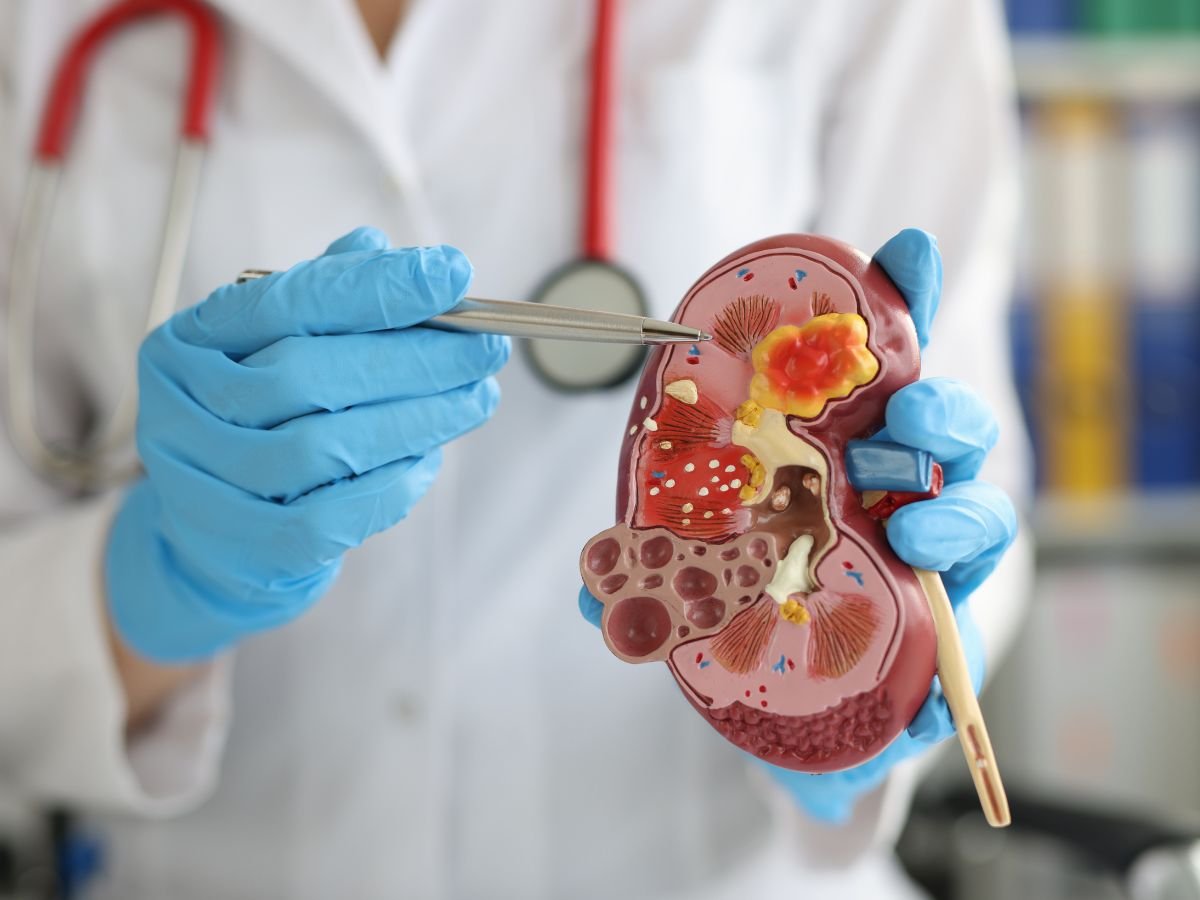
New Delhi, 01 May 2025: Your kidneys are essential organs that filter waste, regulate blood pressure, balance fluids, and help produce red blood cells. But when kidney function begins to decline, it often does so silently. In fact, chronic kidney disease (CKD) is known as a “silent killer” because symptoms usually appear only after significant damage has occurred. Ignoring the warning signs of kidney damage can lead to complete kidney failure, requiring dialysis or a transplant.
Are Your Kidneys Damaged? Look Out For These Signs
Here are seven clear indicators that your kidneys may be severely damaged and need immediate medical attention.
- Persistent Fatigue and Weakness: One of the earliest and most overlooked symptoms of kidney failure is constant tiredness and lack of energy. When kidneys are damaged, they can’t properly filter toxins from the blood. This buildup of waste can lead to extreme fatigue and make you feel drained even after a full night’s sleep. Moreover, damaged kidneys produce less erythropoietin, a hormone that stimulates red blood cell production. This results in anemia, which further contributes to weakness and tiredness.
- Swelling in Feet, Ankles, and Hands: Kidneys play a major role in regulating fluid balance. When they are no longer functioning well, excess fluid begins to accumulate in tissues—especially in the lower extremities. This causes noticeable swelling or puffiness, known as edema. If you frequently notice swelling in your ankles, feet, hands, or around your eyes, it may be a sign your kidneys are no longer eliminating waste and fluid efficiently.
- Changes in Urination Patterns: Any significant change in urination—whether in frequency, appearance, or sensation—can indicate kidney problems. Some key red flags include: Frequent urination at night (nocturia) | Foamy or bubbly urine (a sign of excess protein) | Blood in urine (hematuria) | Pain or difficulty urinating | Dark-colored urine or drastically reduced output. These symptoms suggest that your kidneys may be struggling to process and expel waste properly.
- Shortness of Breath, Even at Rest: Difficulty breathing can be an unexpected but serious symptom of advanced kidney damage. When fluid builds up in the lungs due to poor kidney function, it can cause a feeling of breathlessness. Additionally, anemia caused by damaged kidneys reduces oxygen transport throughout the body, leading to persistent shortness of breath—even during light activity or rest.
- Metallic Taste in Mouth and Bad Breath: The buildup of urea and other waste products in the blood—a condition known as uremia—can lead to a persistent metallic taste in the mouth. It may also cause ammonia-like breath (uremic fetor), bad taste after eating meat, or a complete loss of appetite. This condition is dangerous and indicates that kidney function has deteriorated significantly. If you’re experiencing taste changes along with nausea or vomiting, consult a doctor immediately.
- High Blood Pressure That’s Hard to Control: Healthy kidneys help regulate blood pressure by balancing sodium and fluid levels. When kidney function declines, this regulation is impaired, often resulting in high blood pressure (hypertension). Conversely, uncontrolled hypertension can also damage kidney blood vessels, creating a dangerous cycle. If your blood pressure remains high despite medication and lifestyle changes, it could be a sign of underlying kidney disease.
- Itchy Skin and Muscle Cramps: As kidney function worsens, phosphorus and other waste products start to accumulate in the body. This can lead to intense, persistent itching—especially in the back, legs, and arms. Itchy skin due to kidney failure isn’t relieved by moisturizers or allergy medications. In addition, an imbalance of electrolytes like calcium and potassium can result in frequent muscle cramps, spasms, or twitching.
If you notice any combination of these symptoms, don’t ignore them. Consult a nephrologist or your primary healthcare provider for blood and urine tests that measure creatinine, urea, GFR (glomerular filtration rate), and protein levels. Early diagnosis can help slow the progression of kidney disease and prevent complete kidney failure.

















Leave a comment