

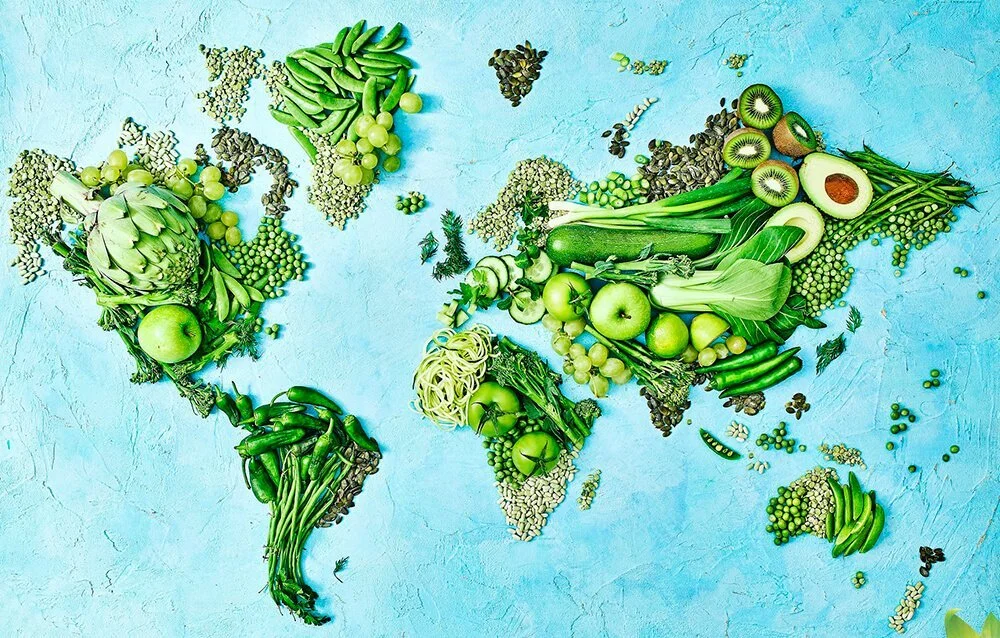
New Delhi, 30 October, 2025: As the world marks World Vegan Day 2025, global attention turns to one of the fastest-growing dietary movements of the decade — veganism. Driven by health awareness, environmental concerns, and ethical choices, millions of people across continents are turning away from meat, dairy, and all animal-derived products. But which countries lead the way, and where does India, known for its deep-rooted vegetarian culture, stand in this global shift?
The Global Rise of Veganism
Over the past decade, veganism has transitioned from a niche lifestyle into a mainstream global movement. Data from global diet studies indicate a steady increase in the number of individuals identifying as vegan, with countries across Asia, Europe, and the Americas witnessing rapid adoption.
Globally, the share of people identifying as vegan ranges between 3% and 9%, depending on the region. India and Mexico are estimated to have some of the highest proportions of vegans, followed by Canada, Israel, and several European nations. In absolute numbers, India dominates, thanks to its massive population and a strong foundation of vegetarian traditions.
Top 10 Countries with the Highest Number of Vegans
Here’s a snapshot of countries leading the global veganism movement in 2025:
| Rank | Country | Estimated Vegan Population | Remarks |
|---|---|---|---|
| 1 | India | Around 9% of adults (approx. 120 million people) | Longstanding vegetarian traditions, growing shift toward full veganism. |
| 2 | Mexico | About 9% | Rising awareness and growing access to plant-based foods. |
| 3 | Canada | About 5% | Rapid growth in urban areas, supported by strong plant-based markets. |
| 4 | Israel | Around 5% | Among the most vegan-friendly countries globally. |
| 5 | Sweden | Around 4% | Environmental awareness driving plant-based adoption. |
| 6 | Denmark | Around 4% | Consistent increase in vegan consumers and local product options. |
| 7 | Germany | 3–4% | One of Europe’s largest vegan markets with strong consumer demand. |
| 8 | Norway | About 4% | Smaller population but significant per-capita adoption. |
| 9 | Taiwan | Around 2% | Cultural and religious influence supporting plant-based diets. |
| 10 | Finland/Austria/Iceland | 2–3% | High awareness levels and eco-conscious populations. |
India’s Place in the Global Vegan Landscape
India’s association with plant-based diets is centuries old. With large segments of its population following vegetarianism due to religious and cultural beliefs, India is naturally positioned as one of the most vegetarian-friendly countries in the world. Estimates suggest that between 20% and 39% of Indians follow a vegetarian diet, while nearly 9% have adopted veganism — avoiding all animal-derived products including milk, ghee, and honey.
However, veganism in India is evolving beyond its traditional roots. The modern vegan movement in the country is being driven by younger generations in urban centers, influenced by global trends, fitness awareness, and environmental concerns. Plant-based alternatives, including vegan milk, mock meat, and cruelty-free products, are now widely available in major cities.
E-commerce platforms, vegan cafes, and restaurants have further boosted accessibility, helping veganism transition from a niche lifestyle to a mainstream dietary option.
Why Veganism Is Growing Globally
Several key factors are fueling the global vegan movement:
1. Health Benefits
Research has linked plant-based diets to lower risks of heart disease, diabetes, obesity, and certain types of cancer. Many people are adopting veganism to improve long-term health outcomes and reduce dependency on processed foods.
2. Environmental Awareness
The livestock industry is one of the largest contributors to greenhouse gas emissions and deforestation. Reducing animal consumption significantly cuts an individual’s carbon footprint, making veganism a powerful environmental choice.
3. Ethical and Animal Welfare Concerns
Growing awareness of animal cruelty and industrial farming practices has led many consumers to adopt cruelty-free diets. Ethical veganism, once confined to activist circles, is now part of mainstream consumer consciousness.
4. Cultural Evolution
Countries like India and Taiwan already have strong vegetarian roots. The transition to veganism, which eliminates dairy and eggs, represents an extension of those long-held traditions in response to modern ethical and environmental values.
5. Accessibility and Innovation
The increasing availability of plant-based alternatives has made the shift easier. Supermarkets, restaurants, and fast-food chains now offer vegan-friendly options, allowing consumers to make the switch without drastically altering their lifestyles.
The Impact of the Vegan Movement
The rise of veganism is transforming not only individual diets but also global industries, healthcare, and environmental policies.
Food and Beverage Industry:
The demand for plant-based meats, dairy-free products, and vegan-certified packaged foods has surged. Global brands are investing heavily in vegan product lines, and even traditional meat companies are diversifying into plant-based products.
Healthcare:
Plant-based diets are associated with improved cardiovascular and metabolic health. A widespread shift toward veganism could reduce public health burdens related to obesity, heart disease, and diabetes.
Environmental Sustainability:
Plant-based diets require fewer natural resources compared to animal agriculture. As more consumers switch to veganism, it could help reduce water usage, land degradation, and methane emissions.
Economic Opportunities:
Veganism has given rise to new industries, including alternative proteins, plant-based dairy, and cruelty-free cosmetics. Startups and investors are capitalizing on the growing consumer base seeking sustainable lifestyle options.
Challenges Ahead
Despite the momentum, veganism faces several hurdles that must be addressed for sustained growth.
Nutritional Awareness:
A vegan diet, while rich in fiber and antioxidants, requires careful planning to ensure adequate intake of vitamin B12, iron, omega-3 fatty acids, and calcium. Nutrition education remains critical for long-term health maintenance.
Cultural Barriers:
In regions where meat and dairy are integral to cuisine, transitioning to veganism can be challenging. Rural populations, in particular, may lack access to vegan alternatives.
Data Variability:
Different studies and organizations use varied definitions of veganism, making international comparisons difficult. Many people also identify as “flexitarian” — reducing but not completely eliminating animal products.
Affordability and Availability:
While vegan options are increasingly common in urban areas, they can be expensive or scarce in smaller towns and developing regions.
The Road Ahead
Looking toward 2026 and beyond, several trends are likely to shape the global vegan landscape.
- Expanding Markets: Asia-Pacific and Latin American countries are expected to see faster adoption of vegan diets, driven by younger demographics and digital awareness campaigns.
- Government Policies: Some governments are beginning to promote plant-based eating through dietary guidelines, school programs, and environmental initiatives.
- Technological Innovation: Advances in lab-grown meat, dairy-free fermentation, and sustainable plant proteins will make vegan products more accessible and affordable.
- Cultural Integration: As plant-based diets become more mainstream, traditional cuisines worldwide are incorporating vegan adaptations without losing authenticity.
Key Takeaways
- Veganism continues to grow worldwide, driven by health, ethics, and sustainability.
- India remains a global leader in plant-based diets due to its large vegetarian base and expanding vegan population.
- The food industry, healthcare systems, and environmental policies are all being reshaped by the plant-based movement.
- Education, accessibility, and affordability remain critical for long-term adoption.
The Bigger Picture
World Vegan Day 2025 serves as a reminder of how food choices are reshaping the planet. From bustling metropolises to rural towns, consumers are rethinking what’s on their plates — not only for personal well-being but also for global sustainability.
Veganism is no longer an alternative lifestyle; it is becoming a conscious choice embraced by millions seeking to align their diets with their values. As awareness grows, plant-based living may soon move from the margins to the mainstream, marking a pivotal shift in how humanity eats, farms, and sustains itself.

















Leave a comment