

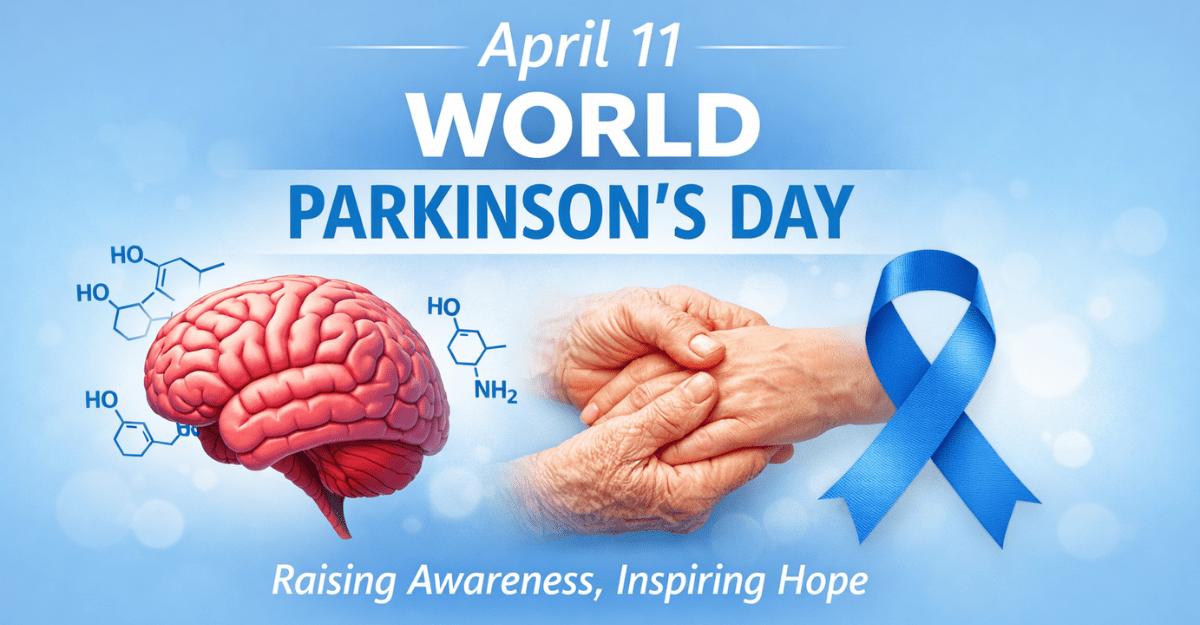
Parkinson’s disease is a neurological disorder that gradually affects individuals’ independence, mobility and quality of life. In the early stages, medication is an effective management tool to alleviate symptoms like tremor stiffness and delayed movements. But as symptoms progress, many patients begin to have windows of fluctuation when medications wear off too soon or cause uncontrollable movements. By this stage, treatment must be more than prescription drugs.
According to Dr Pooja Anand, Consultant – Neurology, Paras Health, Gurugram, “One of the most promising advances used to treat advanced Parkinson’s disease is deep-brain stimulation (DBS). It is a surgical treatment that regulates abnormal signals in the brain responsible for movement problems. So, even if it is contested often results in a significant increase for patients who gain control of daily obstacles and mobility.”
What is DBS and how does it work?
The thin wires are delicately put into areas of the brain that control motor movements. The wires are further connected to a little machine, which works like a pacemaker and is placed under the skin within the chest region. This helps regulate abnormal brain functions that affect movement.
“For patients whose symptoms are not well controlled by medication, DBS offers significant advantages. It can provide control of tremors and stiffness when medications are not as effective. Deep brain stimulation reduces “off” times, when symptoms suddenly worsen. Patients might also have need for higher dosages of medication which can reduce side effects. They sometimes have a time doing daily tasks such as walking, eating or writing. This treatment can improve quality of life and independence both physically and emotionally,” the doctor added.
Some patients claim that DBS helps them have more consistent movement after the procedure. This can help improve their self-confidence and social interaction. DBS can really make a difference for these patients. It helps them feel more in control of their symptoms. DBS is a treatment option that can provide these benefits.
Who can benefit from DBS?
DBS is not for everyone, it requires careful evaluation. It is generally indicated for patients with advanced Parkinson’s disease. Those who continue to respond to medication, but with peaks and troughs in response or significant side effects. People whose everyday lives are greatly impacted even with the best treatment.
Parkinson’s disease can feel really tough. New treatments like DBS are changing how people think about it. People with Parkinsons can now do more than just deal with their symptoms; they can actually get better at moving and living on their own. For a lot of folks, DBS is not about stopping shakes and tremors.
It’s also about being able to live life with freedom, confidence and dignity and thats what DBS is all about for many people it helps them get back that freedom, confidence and dignity. Parkinsons patients are now able to live life in a way, with DBS.
Disclaimer: Dear readers, this article provides general information and advice only. It is not at all professional medical advice. Therefore, always consult your doctor or a healthcare specialist for more information.














Leave a comment