


Lots of people ignore the symptoms of common health problems like piles, hernia, foot wounds, and vein problems. Some people have bleeding from piles, a swelling from a hernia, a minor foot wound, or early vein problems. These health issues are often dismissed as things that will get better with time. The truth is, piles, hernia, foot wounds, and vein problems rarely get better on their own. When we neglect these health issues, they can gradually get worse. Sometimes lead to serious complications. Understanding the risks of delaying treatment can help people take action and avoid suffering from piles, hernia, foot wounds, and vein problems.
Why ignoring common health symptoms can be risky?
According to Dr Ashish Dhadas, MBBS, MS General Surgery (Mumbai), FIAGES, Consultant General Surgeon and Phlebologist, “Piles, also known as haemorrhoids, are veins in the anal region. Early symptoms of piles may include itching, mild discomfort, or occasional bleeding during bowel movements. Because these symptoms of piles can be intermittent, many people avoid seeking advice for piles.”
“However, untreated piles can progressively worsen. The veins may begin to prolapse, meaning they protrude outside the anus. Patients may start experiencing bleeding from piles, persistent pain, and swelling from piles. In some cases, a blood clot can form inside the pile, a condition known as a thrombosed haemorrhoid, causing pain. Early treatment of piles is usually simple. Advanced piles may require complex procedures for piles,” he added.
Early signs of piles you should not ignore
A hernia appears as a swelling in the abdomen or groin that becomes noticeable while standing, coughing, or lifting heavy objects. Because it may not cause discomfort initially, many people choose to ignore the hernia. However, hernias do not heal naturally. Over time, the opening in the wall may enlarge, allowing more tissue to protrude from the hernia. In some cases, the intestine can become trapped in the hernia sac, a condition known as incarceration. If the blood supply to this trapped tissue is cut off, it becomes a strangulated hernia, which is a medical emergency requiring urgent surgery.
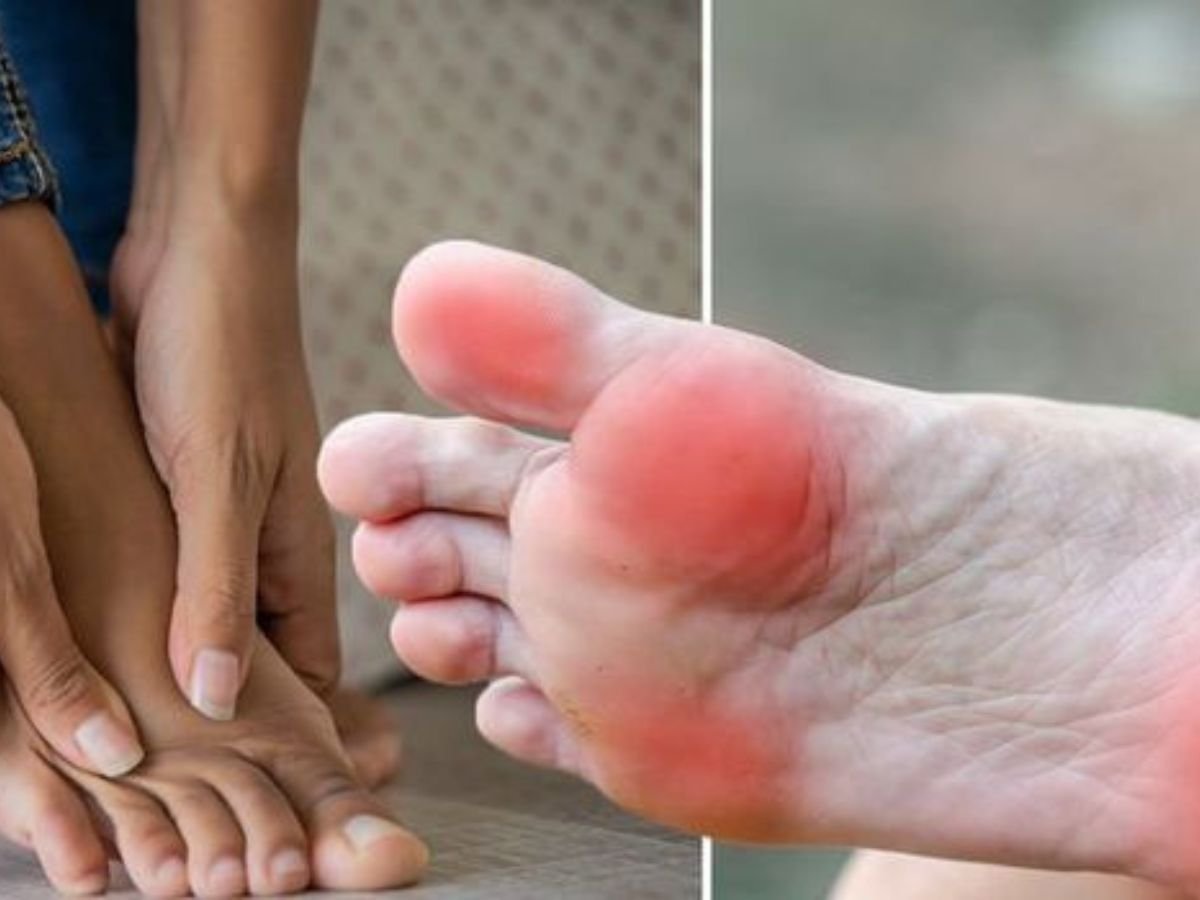
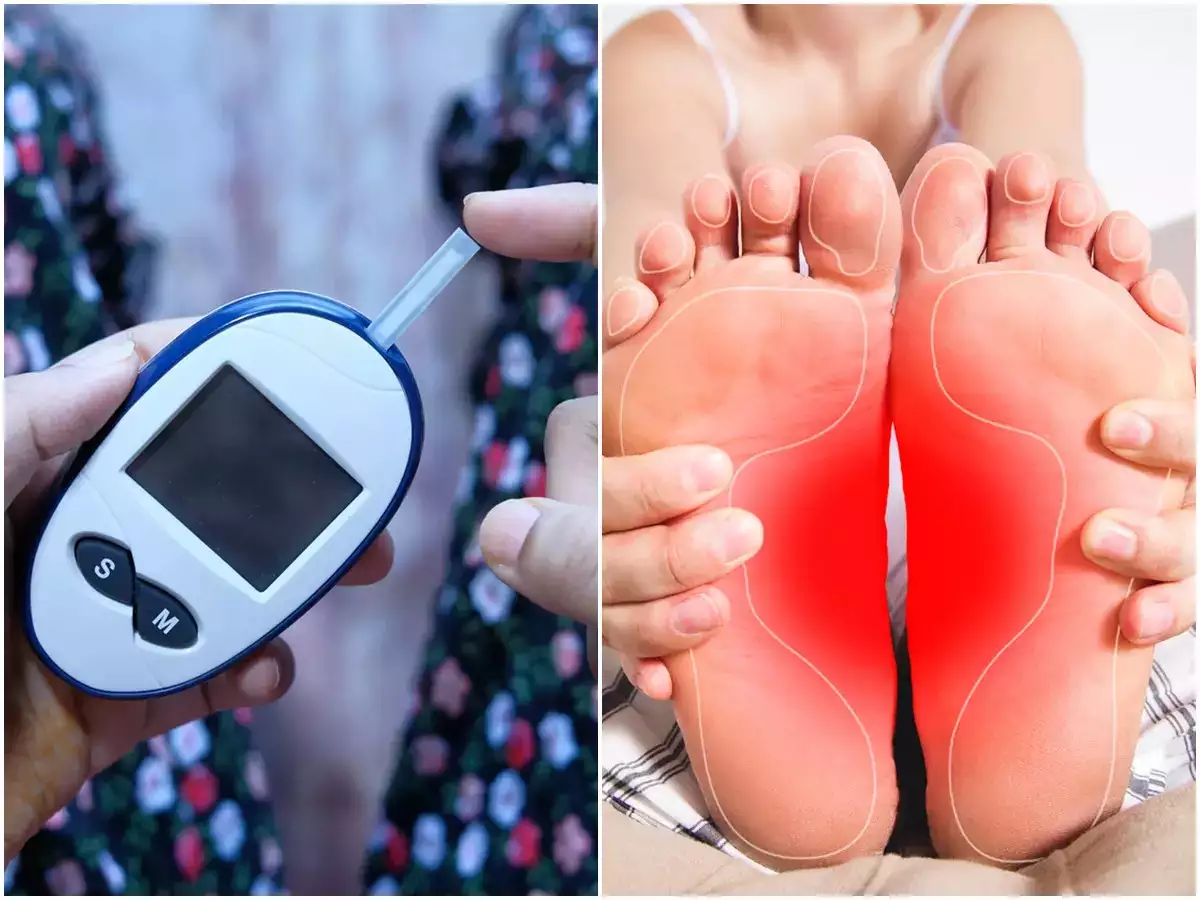
A cut or blister on the foot may seem insignificant. In people with diabetes, it can quickly become a serious problem. Timely treatment of foot wounds can prevent these complications from foot wounds.
Why do diabetic foot wounds need immediate care?
Spider veins or early varicose veins are often dismissed as problems. However, they usually indicate a weakening of the valves that help blood flow back toward the heart. As the condition of varicose veins progresses, people may experience heaviness in the legs, swelling around the ankles, itching, and skin discolouration from varicose veins. In stages, patients may develop ulcers, which are painful, non-healing wounds near the ankle that significantly impact quality of life. Varicose veins are a condition that requires attention.
Early symptoms of varicose veins you should not ignore
One common pattern across all these conditions, like piles, hernia, foot wounds and vein problems, is that early treatment is usually simple, safe and highly effective. When symptoms such as bleeding, swelling, persistent lumps, non-healing wounds or visible vein changes are ignored, the underlying problem often progresses.
Disclaimer: Dear readers, this article provides general information and advice only. It is not at all professional medical advice. Therefore, always consult your doctor or a healthcare specialist for more information.












Leave a comment