When conversations around women’s cancers arise, breast and cervical cancer understandably dominate the narrative. Years of awareness campaigns, screening programs, and public discourse have helped bring these two cancers into the spotlight. However, this focus has also created a dangerous blind spot. Several other cancers affecting women remain under-recognised, often diagnosed late because their symptoms are subtle, misunderstood, or dismissed as routine health issues.
On World Cancer Day 2026, health experts are calling for a broader conversation—one that goes beyond the most commonly discussed cancers and addresses those that silently affect thousands of women every year. Early detection remains the strongest weapon against cancer, but it can only work if women and healthcare providers recognise the warning signs early.
Here are five lesser-known but serious cancers in women, along with the early symptoms that should never be ignored.
1. Ovarian Cancer: The “Silent” Threat
Ovarian cancer is often referred to as a silent killer—not because it lacks symptoms, but because its early signs are vague and easily overlooked. Unlike cervical cancer, there is no widely effective screening test for ovarian cancer, making symptom awareness critical.
Early warning signs include:
- Persistent bloating or abdominal swelling
- Feeling full quickly while eating
- Pelvic or lower abdominal pain
- Frequent or urgent urination
- Unexplained fatigue or back pain
Many women attribute these symptoms to digestive issues, stress, or ageing. The danger lies in persistence. Symptoms that occur frequently and worsen over time should prompt immediate medical evaluation. Early-stage ovarian cancer is highly treatable, but late diagnosis significantly reduces survival rates.
2. Endometrial (Uterine) Cancer: Ignored Bleeding Isn’t Normal
Endometrial cancer, which affects the lining of the uterus, is one of the most common gynaecological cancers, yet its early signs are frequently ignored—especially in postmenopausal women.
Key warning signs include:
- Abnormal vaginal bleeding, especially after menopause
- Heavy or irregular periods
- Pelvic pain or pressure
- Unusual vaginal discharge
Many women delay seeking help, assuming bleeding irregularities are hormonal or stress-related. However, postmenopausal bleeding is never normal and should always be investigated. Early diagnosis often leads to excellent outcomes.
3. Colorectal Cancer: Not Just a “Men’s Disease”
Colorectal cancer is increasingly affecting younger adults and women, yet it continues to be perceived as a male-dominated disease. As a result, symptoms in women are often misattributed to dietary issues or irritable bowel syndrome (IBS).
Early warning signs include:
- Persistent changes in bowel habits (diarrhoea or constipation)
- Blood in stool or dark, tarry stools
- Abdominal pain or cramping
- Unexplained weight loss or anaemia
- Chronic fatigue
Screening colonoscopies can detect precancerous polyps years before cancer develops. Women, particularly those over 45 or with a family history, should not delay screening.
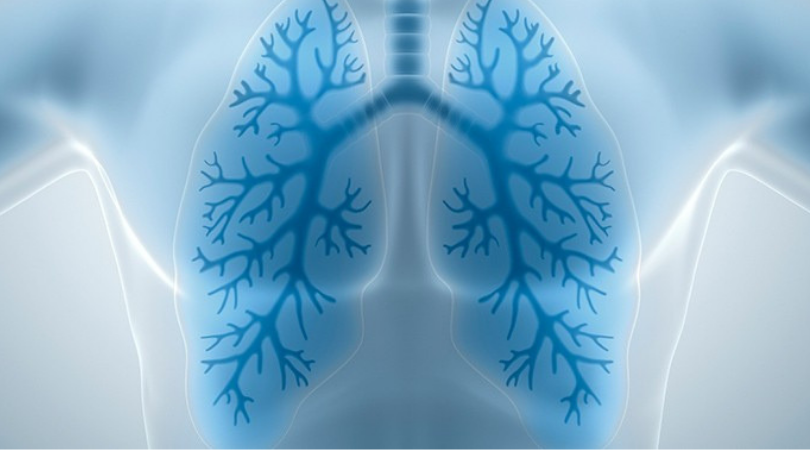
4. Lung Cancer in Non-Smokers: A Growing Concern for Women
One of the most alarming trends in oncology is the rising incidence of lung cancer among women who have never smoked. Environmental pollution, second-hand smoke, and genetic factors are increasingly recognised as contributors.
Early warning signs include:
- Persistent cough or breathlessness
- Chest pain that worsens with deep breathing
- Recurrent respiratory infections
- Hoarseness of voice
- Unexplained weight loss
Because many women don’t associate lung cancer with themselves, symptoms are often dismissed until the disease reaches an advanced stage. Early imaging and evaluation are crucial when symptoms persist.
5. Thyroid Cancer: Small Lump, Big Impact
Thyroid cancer is significantly more common in women than men, yet it often goes unnoticed because symptoms are mild in the early stages.
Early warning signs include:
- A painless lump or swelling in the neck
- Changes in voice or hoarseness
- Difficulty swallowing
- Persistent throat discomfort
Routine health check-ups and awareness of neck changes can help detect thyroid cancer early. When diagnosed early, it has one of the highest survival rates among cancers.
Why These Cancers Are Often Diagnosed Late
Several factors contribute to delayed diagnosis in women:
- Normalisation of symptoms like fatigue, bloating, or pain
- Caregiver bias, where women prioritise family health over their own
- Limited awareness among both patients and primary care providers
- Societal stigma around discussing gynaecological or bowel symptoms
World Cancer Day is a reminder that awareness must evolve with changing disease patterns. Early symptoms may be subtle, but persistence is the red flag.
The Importance of Listening to Your Body
Cancer awareness is not about fear—it’s about empowerment. Women are often told to “push through” discomfort, but persistent symptoms deserve attention. Experts stress that knowing what is normal for your body—and recognising when something changes—can save lives.
Equally important is advocating for oneself in healthcare settings. If symptoms persist despite reassurance, further evaluation is justified.
What Can Women Do?
- Do not ignore symptoms that persist for more than two to three weeks
- Attend regular health check-ups and age-appropriate screenings
- Maintain a personal health record and family history
- Seek a second opinion if symptoms are dismissed
- Encourage open conversations about women’s health
World Cancer Day 2026: Expanding the Conversation
On World Cancer Day 2026, the message is clear: awareness must go beyond the familiar. Breast and cervical cancer screening saves lives—but so does recognising the early signs of less-talked-about cancers.
Early detection is not about extensive testing for everyone; it begins with awareness, listening to the body, and timely medical consultation. By broadening the cancer conversation, we can ensure that fewer women fall through the cracks—and more lives are saved.