


New Delhi, 20 August 2025: Vitamin B12 is an essential nutrient vital for many critical functions in the human body. It plays a crucial role in nerve function, red blood cell formation, and DNA synthesis. Most people consider Vitamin B12 a “good vitamin” that we must consume to stay healthy. While that is true, it is equally important to understand that both deficiency and excess of Vitamin B12 can lead to serious health problems. In this article, we will explore why Vitamin B12 can be dangerous, what happens when your levels are abnormal, and how to manage your intake safely.
What Is Vitamin B12 and Why Is It Important?
Vitamin B12, also known as cobalamin, is a water-soluble vitamin found naturally in animal products such as meat, eggs, fish, and dairy. It is essential for:
- Formation of Red Blood Cells: B12 helps produce healthy red blood cells, preventing anemia.
- Nervous System Health: It maintains the myelin sheath that protects nerve fibers.
- DNA Synthesis: Vital for cell division and replication.
- Energy Production: Helps convert food into energy.
Since Vitamin B12 is water-soluble, the body typically excretes excess amounts through urine, which makes overdosing rare. However, this doesn’t mean that Vitamin B12 is completely risk-free.
When Vitamin B12 Becomes Dangerous: Deficiency and Excess
1. Vitamin B12 Deficiency — A Silent Threat
Vitamin B12 deficiency is more common than most people realize and can be dangerous if left untreated. Causes of deficiency include:
- Poor Dietary Intake: Especially in strict vegans and vegetarians who don’t consume animal products.
- Malabsorption Issues: Conditions like pernicious anemia, celiac disease, Crohn’s disease, or surgeries affecting the stomach or intestines.
- Certain Medications: Long-term use of drugs like metformin and proton pump inhibitors can reduce B12 absorption.
Why is deficiency dangerous?
- Anemia: Low Vitamin B12 causes megaloblastic anemia, where red blood cells are large and immature, leading to fatigue, weakness, and pale skin.
- Neurological Damage: Deficiency can cause nerve damage resulting in numbness, tingling, memory loss, difficulty walking, and in severe cases, irreversible brain damage.
- Psychiatric Issues: Depression, confusion, and mood changes can occur due to lack of B12.
- Pregnancy Risks: Deficiency in pregnant women can cause birth defects and developmental delays in babies.
If untreated, Vitamin B12 deficiency can progress slowly but cause permanent damage, making early diagnosis critical.
2. Vitamin B12 Excess — How Too Much Can Harm You
Unlike deficiency, excess Vitamin B12 is rare but can occur, especially through high-dose supplements or injections. Excessive Vitamin B12 may be linked to several potential risks:
- Acne and Skin Reactions: Some people report acne or rosacea flare-ups after high B12 supplementation.
- Allergic Reactions: Though uncommon, allergic reactions to B12 injections or supplements can occur.
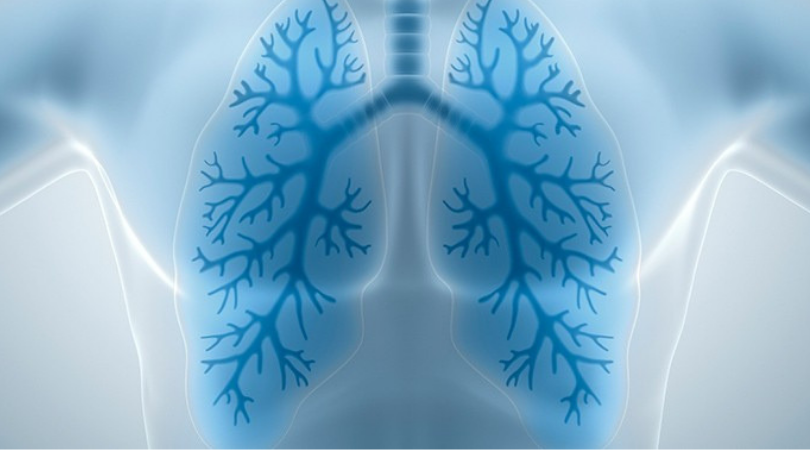
- Potential Cancer Link: Recent studies suggest very high B12 blood levels might be associated with an increased risk of certain cancers, including lung, kidney, and liver cancer. However, this link is not fully understood and might reflect underlying disease rather than a cause.
- Imbalance with Other B Vitamins: Excess B12 can affect the balance of other B vitamins, potentially causing metabolic issues.
- Kidney Issues: High B12 levels might stress kidneys in people with preexisting kidney disease.
Because excess B12 is mostly excreted in urine, toxicity symptoms are rare but not impossible, especially when taken in unnecessarily high doses.
Symptoms of Vitamin B12 Problems
Symptoms of Deficiency Include:
- Fatigue, weakness
- Pale or jaundiced skin
- Numbness or tingling in hands and feet
- Difficulty walking or balance problems
- Memory loss or confusion
- Mood changes like depression or irritability
- Glossitis (inflamed tongue)
- Breathlessness or dizziness
- Vision problems
Symptoms of Excess B12 May Include:
- Acne or skin rash
- Headache
- Nausea or vomiting
- Allergic skin reactions
- Rarely, diarrhea or swelling at injection site (for injections)
How to Diagnose and Treat Vitamin B12 Imbalance
Diagnosis:
- Blood Tests: Serum Vitamin B12 levels, complete blood count, and methylmalonic acid (MMA) levels to detect deficiency.
- Neurological Exam: To check nerve function.
- Medical History: To identify dietary habits, medications, or diseases affecting B12.
Treatment:
- Deficiency: Treated with oral supplements or intramuscular injections, especially for absorption problems.
- Excess: Usually managed by stopping supplements and monitoring blood levels.
- Dietary Changes: Vegetarians and vegans should consider fortified foods or supplements.
Preventing Vitamin B12 Problems
- Eat a balanced diet including animal products or fortified plant-based foods.
- If you’re vegetarian or vegan, consider B12 supplements.
- Consult your doctor before starting high-dose B12 supplements.
- Monitor symptoms like fatigue, numbness, or skin changes and seek medical advice.
- Regular checkups if you have health conditions affecting absorption.
Vitamin B12 is a vital nutrient with a key role in overall health. While deficiency can cause serious, sometimes irreversible health problems, excess intake is generally safe but can have side effects in rare cases. Understanding your body’s needs and working with healthcare professionals to monitor and maintain healthy B12 levels is essential. Don’t underestimate this vitamin — both too little and too much can be dangerous. Stay informed, eat well, and consult your doctor if you experience symptoms related to Vitamin B12 imbalance.














Leave a comment