

New Delhi, 07 August 2025: Uterine fibroids—benign (non-cancerous) tumors made of muscle and connective tissue—can remain undiagnosed for years. While they affect up to 70-80% of women by age 50, many only discover them when symptoms become severe, or worse, when surgery is the only option left. But why are fibroids so often missed? And what can women do to detect them earlier?
What Are Uterine Fibroids?
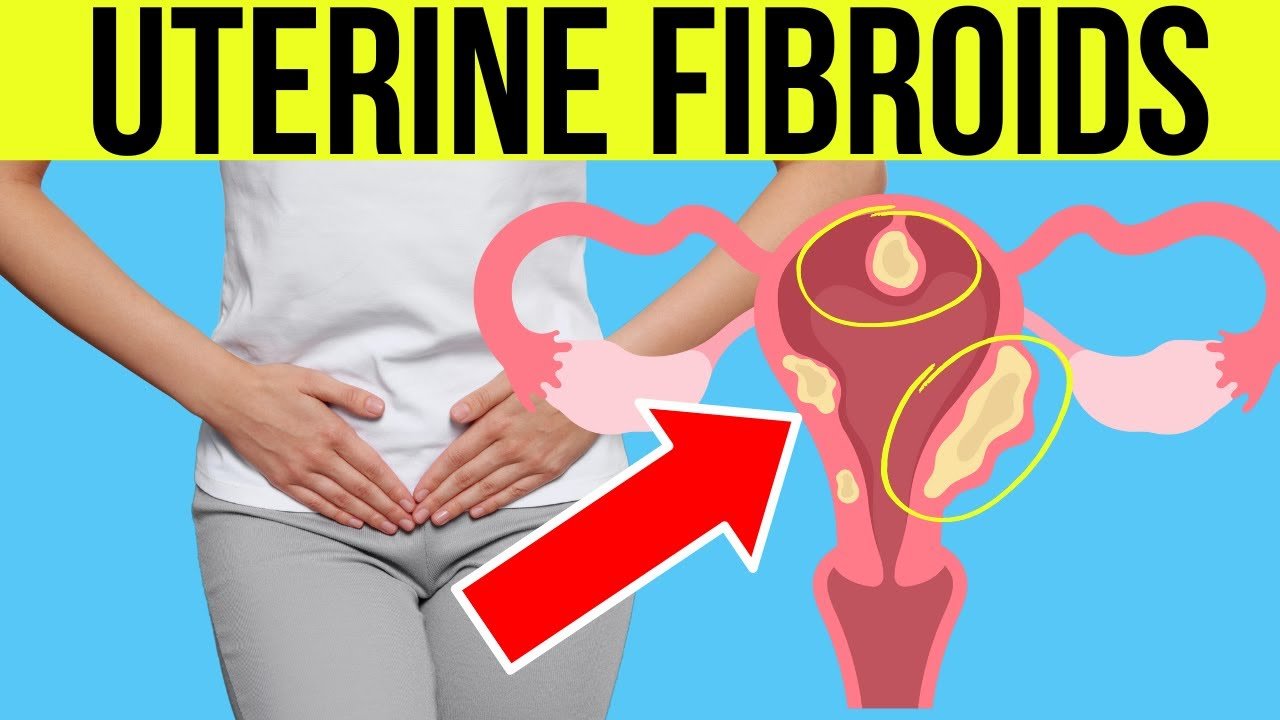
Uterine fibroids, also called leiomyomas or myomas, are growths that develop in or on the uterus. They can range in size from tiny seedlings to bulky masses that distort the shape of the uterus.
Types of Fibroids:
- Intramural Fibroids – grow within the uterine wall
- Submucosal Fibroids – project into the uterine cavity
- Subserosal Fibroids – grow on the outside of the uterus
- Pedunculated Fibroids – attached by a stalk either inside or outside the uterus
Why Fibroids Are Being Missed Until It’s Too Late
1. Symptoms Are Often Mistaken for Normal Menstrual Issues
The most common symptoms—heavy periods, pelvic pain, and frequent urination—are frequently brushed off as normal menstrual discomfort or hormonal changes.
“Many women suffer for years assuming it’s just how their period is supposed to be,” says a gynecologist. “By the time they seek help, the fibroids are too large for medication or non-invasive options.”
2. Lack of Routine Pelvic Exams
With the decline in routine gynecological checkups, especially post-pandemic, many fibroids go undetected simply because there’s no one checking.
3. Diagnostic Gaps in Primary Care
In primary care, symptoms like fatigue, back pain, or bloating may be attributed to stress or gastrointestinal issues—missing the reproductive link.
4. Imaging Isn’t Always Ordered Promptly
Ultrasounds or MRIs are not always the first course of action for heavy bleeding or pelvic pain, especially in younger women, which can delay diagnosis.
5. Racial and Social Disparities in Healthcare
Studies show that Black women are more likely to develop fibroids, and they also tend to experience more severe symptoms. Yet, they often face delays in diagnosis and treatment due to systemic inequities.
When Surgery Becomes the Only Option
By the time fibroids are diagnosed, many women face large, multiple, or fast-growing fibroids that don’t respond to medication. At this stage, conservative treatments like hormonal therapy or uterine artery embolization may not be effective.
Common Surgical Treatments:
- Myomectomy – Removal of fibroids while preserving the uterus
- Hysterectomy – Complete removal of the uterus (only definitive cure for fibroids)
Surgery is often life-changing for women who’ve lived with years of discomfort, but it can also impact fertility and emotional well-being—especially in younger women.
Early Detection Is Key: Know the Warning Signs of Uterine fibroids
To avoid surgery, early detection is crucial. Here are symptoms that should never be ignored:
1. Heavy Menstrual Bleeding
Periods that last more than 7 days or require frequent pad changes may signal fibroids.
2. Pelvic Pressure or Pain
Feeling of fullness or constant pressure in the pelvic area—even without pain—can be a red flag.
3. Frequent Urination
Fibroids pressing on the bladder can cause increased urgency or frequency.
4. Pain During Intercourse
Discomfort or pain during sex may point to submucosal or intramural fibroids.
5. Lower Back or Leg Pain
Large fibroids pressing on nerves can radiate pain to the back or legs.
6. Unexplained Fatigue or Anemia
Chronic heavy bleeding can cause low iron levels, resulting in fatigue or dizziness.
How to Catch Uterine fibroids Earlier
1. Regular Gynecological Checkups
Annual pelvic exams can catch fibroids when they’re still small and manageable.
2. Get a Pelvic Ultrasound for Any Suspicious Symptoms
If you experience ongoing pelvic pain, heavy bleeding, or bloating, request an ultrasound to rule out fibroids.
3. Track Your Menstrual Cycle
Use period-tracking apps to note changes in bleeding, duration, and pain levels. Abnormal trends can help doctors detect issues early.
4. Advocate for Yourself
If you feel your symptoms are being dismissed, don’t hesitate to ask for a second opinion or a referral to a gynecologist.
5. Know Your Risk Factors
You’re at higher risk if:
- You’re over age 30
- You have a family history of fibroids
- You’re of African descent
- You’re overweight or obese
- You eat a high red-meat, low-vegetable diet
Treatment Options Before Surgery
If caught early, fibroids can often be managed with:
- Hormonal Birth Control – to control heavy bleeding
- GnRH Agonists – to shrink fibroids before surgery or menopause
- Uterine Artery Embolization (UAE) – cuts off blood supply to fibroids
- MRI-Guided Focused Ultrasound – non-invasive thermal ablation
Fibroids don’t always require surgery, but delayed diagnosis often leaves women with few options. By paying attention to your body, prioritizing gynecological health, and advocating for proper diagnosis, you can catch fibroids early—before they interfere with your life, fertility, or future.














Leave a comment