

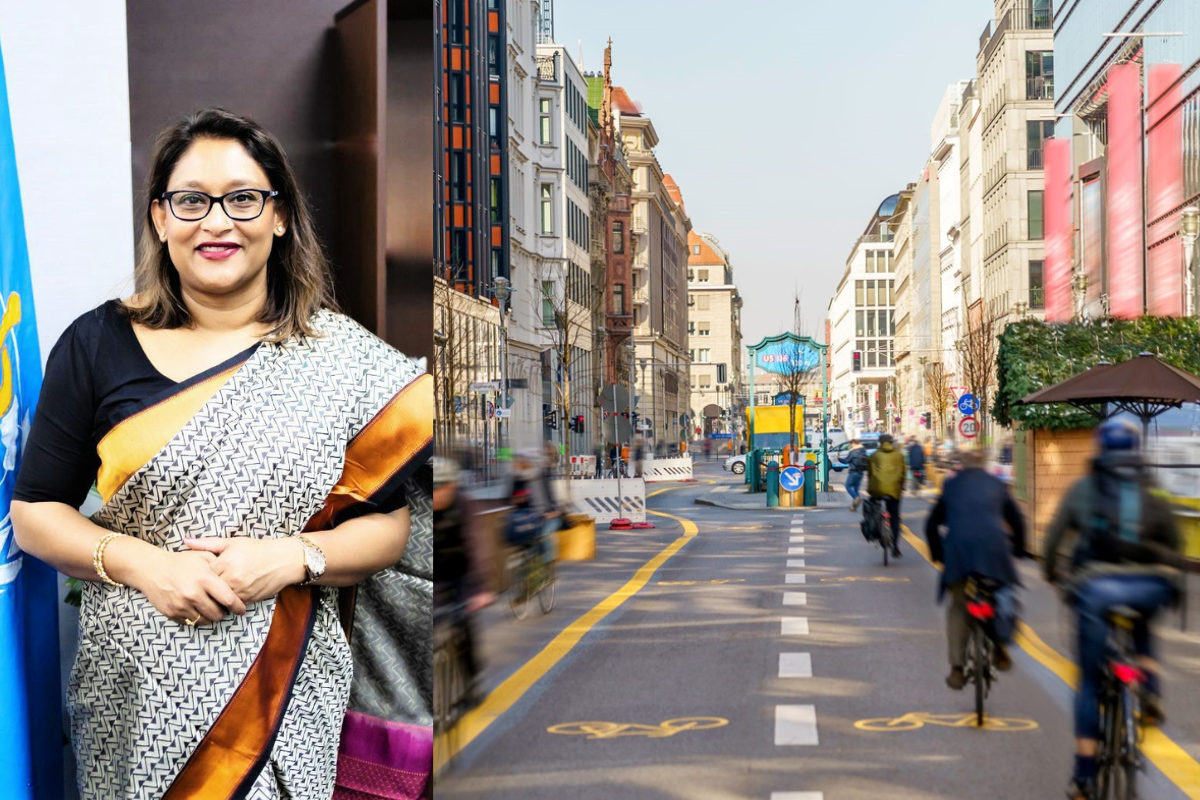
The UN Global Road Safety Week is marked biennially, starting on the third Monday of May.
This year, the theme urges the world to make safe walking and cycling for everyone. Walking and cycling are an integral part of the multimodal transport systems in the Global Plan for the Decade of Action for Road Safety 2020-2030. They also promote healthy and sustainable cities and lifestyles.
Globally, each year, road traffic crashes take a devastating toll on our communities—claiming the lives of nearly 1.2 million people and leaving up to 50 million more with non-fatal injuries. These tragedies are not mere statistics. They are the loss of children, parents, and loved ones—and are largely preventable.
Road traffic injuries are now the leading cause of death among young people aged 5 to 29 years. They continue to be a pressing public health concern in our WHO South-East Asia Region. In 2021 alone, our region accounted for more than 330,000 deaths from road crashes, representing 28% of the global total. Vulnerable road users—including pedestrians, cyclists, and operators of two- and three-wheelers—are up to 66% of these fatalities.
This year’s theme is a timely call to action. Pedestrians and cyclists already account for more than one in four road traffic deaths. Ensuring their safety is not only a matter of saving lives. Prioritizing walking and cycling supports physical activity. Which is a key modifiable risk factor for noncommunicable diseases such as heart disease, stroke, diabetes, and cancers. Walking and cycling also support mental well-being, helping to reduce symptoms of depression and anxiety.
Road safety is an important element of WHO guidance for healthy cities. In our region, the WHO partnership for healthy cities has been working extensively with megacities. Such as Mumbai and Bangkok to address road safety and promote safe transportation. This included improved designs of pedestrian walkways, through the assessment of hundreds of kilometers of roads and sidewalks, and through universal inclusive designs for accessible walkways.
Creating safe, inclusive, and accessible roads for all in the densely populated cities of South-East Asia is challenging. However, doing so will support the population, especially the most vulnerable, through improved community well-being and environmental sustainability. When we integrate road safety with the promotion of physical activity. We address interconnected challenges: injuries, noncommunicable diseases, mental health, and even climate change.
I urge all Member States, civil society, the private sector, and communities to push for people-centred mobility policies, safer road design, safe vehicles, and lower speed limits.
Together, let us ensure that every person—especially our children and youth—can safe walking and cycling in our communities and on roads. By doing so, we not only improve road safety but also advance climate action, health promotion, and the Sustainable Development Goals.
















Leave a comment