

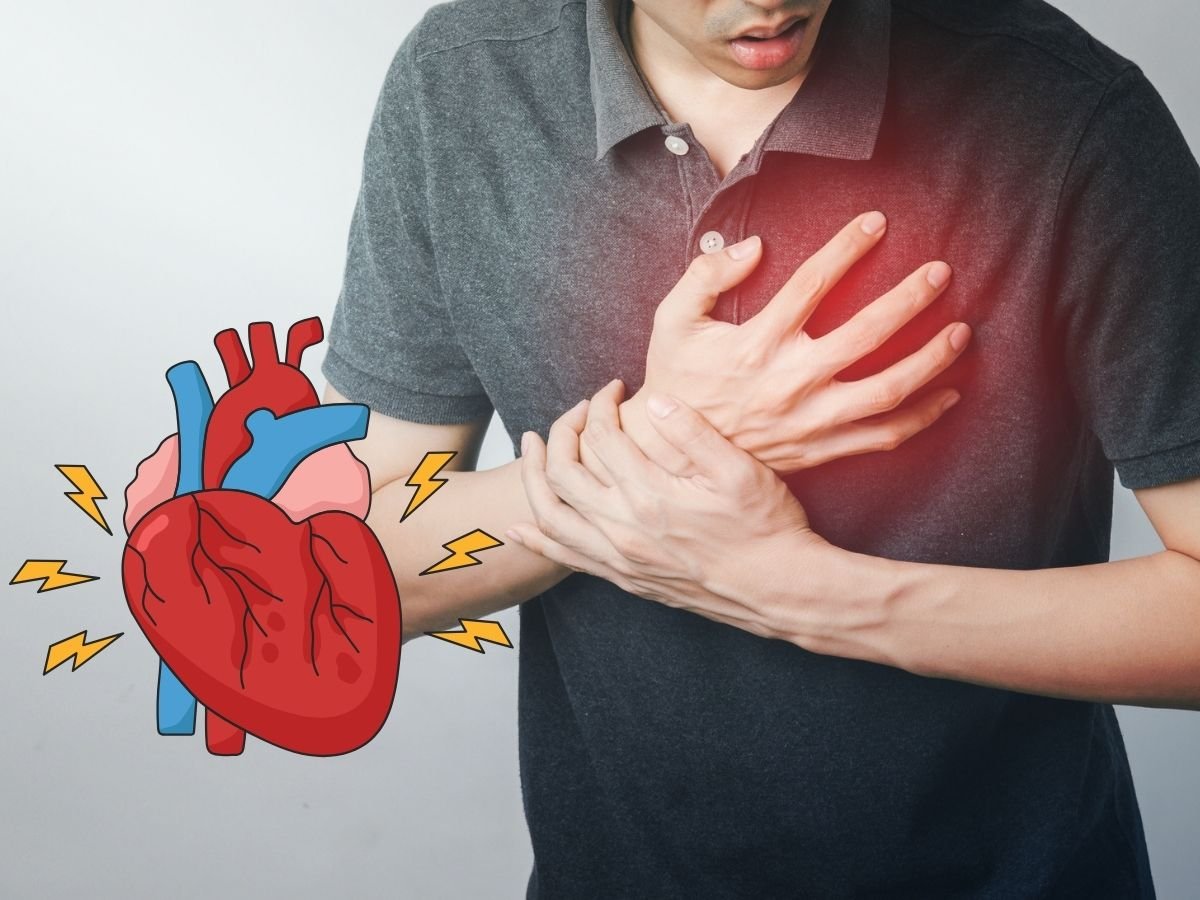
New Delhi, 07 October 2025: Heart disease remains one of the leading causes of morbidity worldwide, yet many of its symptoms can be subtle—and easily dismissed. According to cardiologists, ignoring these early warning signs can delay diagnosis and treatment, potentially leading to serious outcomes. From an irregular heartbeat to jaw pain or swollen feet, these symptoms may feel minor on their own but, taken together, can indicate something more serious.
Here’s what your body may be telling you—and when you need to act.
1. Irregular Heartbeat (Arrhythmia)
An irregular or rapid heartbeat—or palpitations—can be more than just anxiety or caffeine. Arrhythmias like atrial fibrillation can increase stroke risk and worsen heart function. If you’re experiencing fluttering, skipped beats, or rapid pulses, especially at rest, it’s time to consult a cardiologist and consider monitoring with a Holter device.
2. Swollen Feet or Ankles (Peripheral Edema)
While swelling after a long day on your feet is common, persistent ankle or foot swelling that doesn’t resolve with rest may point to fluid retention—a classic sign of congestive heart failure. If swelling progresses to your calves or comes with shortness of breath and fatigue, get evaluated promptly.
3. Jaw, Neck, or Arm Pain
Heart-related pain doesn’t always appear as chest discomfort. For many, especially women, it manifests as aching in the jaw, neck, left arm, or shoulders. If these pains occur with exertion or stress, even if they’re mild or transient, don’t ignore them—they could signal a silent heart attack or angina.
4. Shortness of Breath (Dyspnea)
Struggling to catch your breath during routine activities like climbing stairs, walking, or climbing out of bed? Unexplained shortness of breath, especially when accompanied by a cough, fatigue, or wheezing, might indicate heart disease or left ventricular dysfunction.
5. Excessive Fatigue or Weakness
Feeling tired even after a good night’s sleep? Chronic, unrelenting fatigue—especially when paired with other symptoms—is frequently misinterpreted as stress or overwork. When the heart isn’t pumping efficiently, organs receive less oxygen, leaving you depleted and lethargic.
6. Chest Pain or Discomfort (Angina)
Though not everyone experiences sharp chest pain like in movie scenes, even pressure, fullness, or burning in the chest should raise a red flag. These sensations, particularly if they occur during physical activity or emotional stress, warrant immediate evaluation for coronary artery disease.
7. Dizziness, Lightheadedness, or Fainting
Sudden dizziness or fainting (syncope) can result from a drop in blood supply to the brain—often caused by arrhythmias, aortic stenosis, or heart disease. Don’t dismiss these episodes as mere vertigo; they may signal electrical or structural heart issues.
8. Persistent Cough or Wheezing
A long-term cough, often worse when lying flat, can indicate pulmonary congestion—a condition where fluid builds up in the lungs due to a weakened heart. Similarly, wheezing or a persistent cough that isn’t respiratory in origin may call for cardiac evaluation.
9. Abdominal Swelling (Ascites)
Fluid retention isn’t limited to legs and lungs. As heart failure progresses, fluid can accumulate in the abdomen, causing bloating, loss of appetite, and abdominal tenderness. This condition, called ascites, indicates advanced heart dysfunction and needs urgent medical attention.
10. Nausea, Indigestion, or Excessive Sweating
Chest discomfort masquerading as indigestion is common—and especially deceptive in women. Sweating profusely with nausea, especially during exertion or stress, is a potential sign of an impending cardiac event. Don’t mistake it for acid reflux or a stomach bug.
Why These Symptoms Are Often Ignored
- Subtle presentations: Symptoms are often mild or atypical, especially in women.
- Lifestyle excuses: “Just tired from work,” or “Must’ve overdone it.”
- Misattribution: Thinking it’s gastrointestinal, age, or stress-related.
- Avoidance: Fear or denial leads many to delay seeking help.
What You Should Do Now
- Track symptoms: Keep a diary noting when symptoms occur, what triggered them, duration, and any accompanying signs.
- See a cardiologist: Early consultation can prompt simple yet life-saving tests—EKG, echo, stress test, or blood markers.
- Adopt heart-healthy habits: Start with moderate exercise, balanced nutrition, and stress reduction.
- Know your numbers: Monitor blood pressure, cholesterol, blood sugar, and BMI regularly.
- Act decisively: Call emergency services if you experience sudden chest pain, unexplained fainting, or breathlessness.
Pro Tip from Cardiologists
- Get a heart check-up if you’re over 50, especially after menopause or with a family history of heart disease.
- Look beyond the chest—jaw, shoulder, or abdominal symptoms may be cardiac in origin.
- Prevention isn’t just lifestyle—it’s awareness. Your body often signals problems before they become emergencies.
Conclusion
Heart disease doesn’t always yell—it whispers through subtle, easily ignored signs. Changes in your heartbeat, unexplained fatigue, swelling, jaw pain—these may feel insignificant, yet could be the earliest flags of serious cardiovascular trouble. Listening to your body and speaking up early can make all the difference in preserving heart health and protecting your future.












Leave a comment