

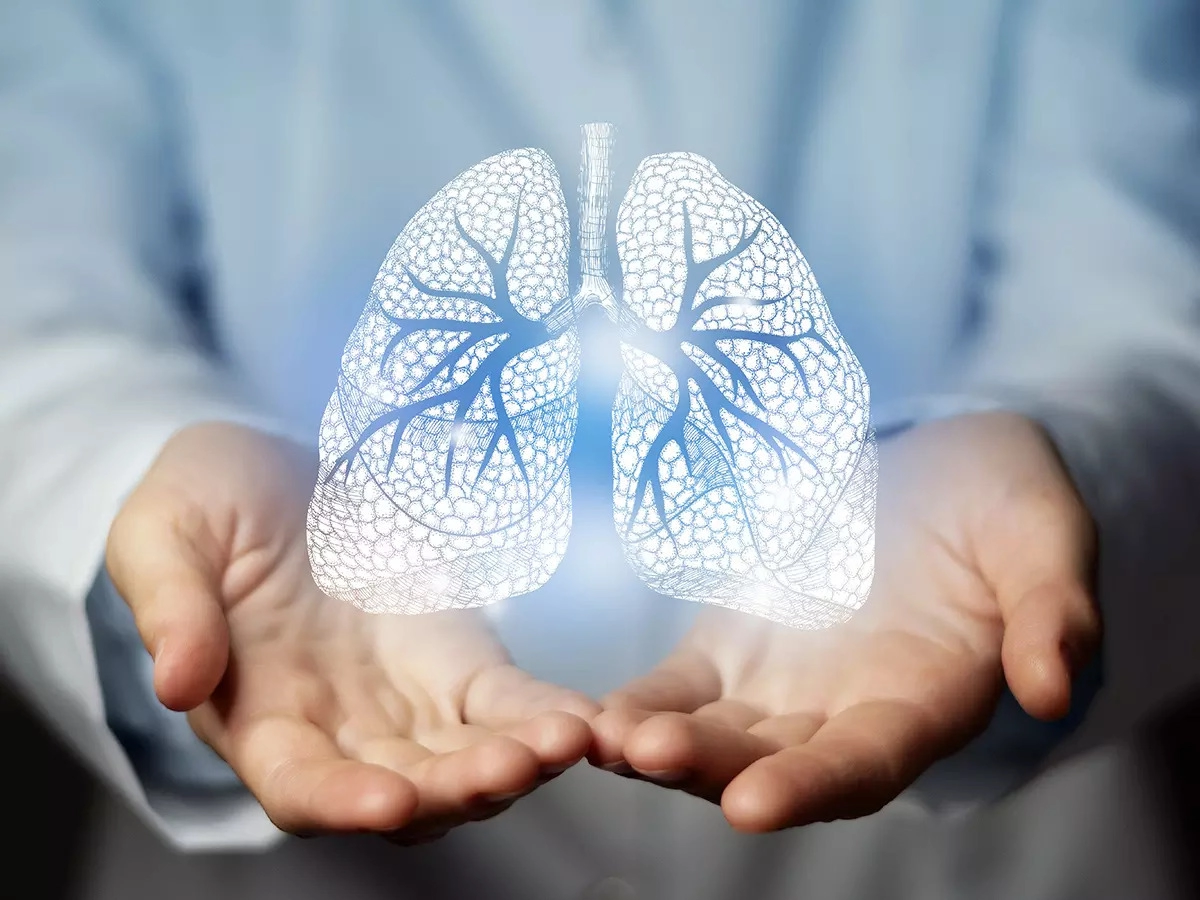
New Delhi, 19 November, 2025: For people living with chronic obstructive pulmonary disease (COPD), every breath is a reminder that something most of us take for granted—simple, effortless breathing—is no longer guaranteed. COPD gradually limits airflow, making it difficult to exhale fully. As a result, the lungs can feel as though they never completely empty or fill, creating a constant sensation of tightness, restriction, or hunger for air. This isn’t just a medical condition; it’s a daily physical and emotional battle. Understanding what life is like with COPD helps create greater awareness, compassion, and support for those who struggle with it.
The Feeling of Incomplete Breathing
A hallmark of COPD is air trapping. Damaged airways collapse during exhalation, preventing all the air from leaving the lungs. Patients often describe the sensation as:
- “Trying to breathe through a tiny straw.”
- “Never being able to get a full breath.”
- “Feeling like my chest is filled with heavy air that won’t move.”
This inability to fully exhale causes older air to remain in the lungs, leaving less room for fresh, oxygen-rich air to enter. Even simple activities—standing up, bending over, or walking across a room—can feel like climbing a steep hill at high altitude.
Morning Challenges: Starting the Day With a Struggle
Mornings are typically the hardest time of day for many COPD patients. Overnight mucus buildup, inflammation, and airway narrowing can leave them coughing, wheezing, and gasping as soon as they wake.
Routine tasks that most people do automatically require planning and pacing:
- Getting out of bed slowly to avoid breathlessness.
- Using inhalers or nebulizers before moving around.
- Taking extra time to shower, because warm steam or humidity can worsen breathing.
For some, simply brushing their teeth can trigger shortness of breath. The day often begins with a reminder that breathing is work—work that never really stops.
The Battle With Fatigue
Because COPD reduces oxygen intake, patients often experience profound fatigue. The body must work harder for each breath, burning more energy just to maintain basic functions. This exhaustion is not the kind that resolves with a nap; it’s an ongoing drag on physical and mental stamina.
Many patients describe feeling:
- Weak, even after a full night’s sleep.
- Unable to participate in activities they once enjoyed.
- Drained after short periods of exertion.
This fatigue can contribute to social withdrawal, depression, and a sense of loss of independence.
Physical Limitations That Creep Into Every Task
COPD doesn’t just affect breathing—it shapes a person’s entire daily routine.
Household chores like cooking, vacuuming, or doing laundry can trigger breathlessness. Even talking during tasks can become difficult.
Going outdoors may pose challenges. Heat, cold, humidity, or pollution can all worsen symptoms. A quick errand might require planning around weather, medication timing, and energy levels.
Walking and mobility are often limited. Short distances may require rest breaks. Stairs, inclines, and crowds can feel overwhelming.
These everyday obstacles impact independence, leading many patients to rely more heavily on family or mobility aids.
The Emotional Toll: Anxiety, Fear, and Uncertainty
Perhaps one of the least visible—but most profound—burdens of COPD is the emotional impact.
Many patients live with a constant, underlying fear of not being able to breathe. This anxiety can flare up suddenly during episodes of breathlessness, creating a cycle where panic makes breathing even harder.
Patients often worry about:
- Experiencing flare-ups or hospitalizations.
- Becoming a burden to loved ones.
- Losing the ability to stay active or independent.
- How the disease will progress.
Depression is also common, fueled by physical limitations, social isolation, and the unpredictable nature of symptoms.
Coping Strategies and Moments of Strength
Despite the challenges, many people with COPD find ways to adapt and maintain quality of life. Techniques such as pursed-lip breathing, pacing activities, and using prescribed inhalers or oxygen therapy can significantly help.
Pulmonary rehabilitation—structured exercise and education—often empowers patients, improving endurance and confidence. Support groups, therapy, and open communication with healthcare providers can ease emotional strain.
Patients also develop their own personal strategies, like organizing tasks around energy levels, taking frequent rests, and prioritizing activities that bring joy or connection.
A Life Lived With Courage
Living with lungs that never fully fill requires resilience. COPD patients navigate each day with determination, balancing physical challenges with emotional ones. Their experience is not defined only by limitations, but by the strength it takes to keep moving, keep breathing, and keep finding meaning in daily life.
Through understanding and recognition of their struggles, we can offer empathy, support, and encouragement—reminding them that although every breath is a battle, they do not face it alone.













Leave a comment