As the world moves deeper into 2026, global health agencies and scientists remain on high alert for emerging and re-emerging viral threats. While COVID-19 reshaped public health preparedness, experts warn that the next outbreak may not look the same. Instead, a mix of zoonotic spillovers, climate change, urban crowding, and global travel is shaping a new era of infectious disease risk.
So, which viral outbreaks are scientists watching most closely in 2026—and why?
Why Viral Surveillance Matters More Than Ever
Modern outbreaks are no longer confined to one region. Increased international travel, dense urban populations, and closer human–animal interaction mean that a localized infection can cross borders within days.
According to global health experts, early detection and surveillance—not panic—are the most powerful tools to prevent the next pandemic.
Top Viral Threats Scientists Are Monitoring in 2026
1. Nipah Virus: High Fatality, Low Margin for Error
Nipah virus remains one of the most closely watched zoonotic viruses due to its high case fatality rate and potential for human-to-human transmission.
- Why it’s concerning:
- Fatality rates ranging from 25% to over 60%
- No approved vaccine or specific antiviral treatment
- Where scientists are watching:
- South and Southeast Asia, particularly regions with fruit bat populations
Although outbreaks remain sporadic, even a small cluster can overwhelm health systems due to the severity of disease.
2. Avian Influenza (Bird Flu): Mutation Risk
Bird flu viruses, particularly H5N1 and H7 strains, continue to worry scientists because of their ability to mutate.
- Current concern:
- Increased infections in birds and mammals globally
- Rare but severe human infections with high fatality rates
- Why 2026 matters:
- Scientists are closely tracking whether the virus gains efficient human-to-human transmission
Most cases still occur through animal exposure, but mutations could change the risk profile rapidly.
3. Dengue and Chikungunya: Climate-Driven Expansion
Unlike rare viruses, mosquito-borne diseases are becoming more widespread due to rising temperatures and changing rainfall patterns.
- What’s changing:
- Dengue is now appearing in regions previously considered low-risk
- Longer transmission seasons in urban India and other tropical regions
- Health impact:
- Severe dengue can cause internal bleeding and organ failure
- Repeat infections increase risk of complications
Scientists warn that climate change is turning dengue into a year-round threat in many cities.
4. Novel Coronaviruses: Spillover Risk Remains
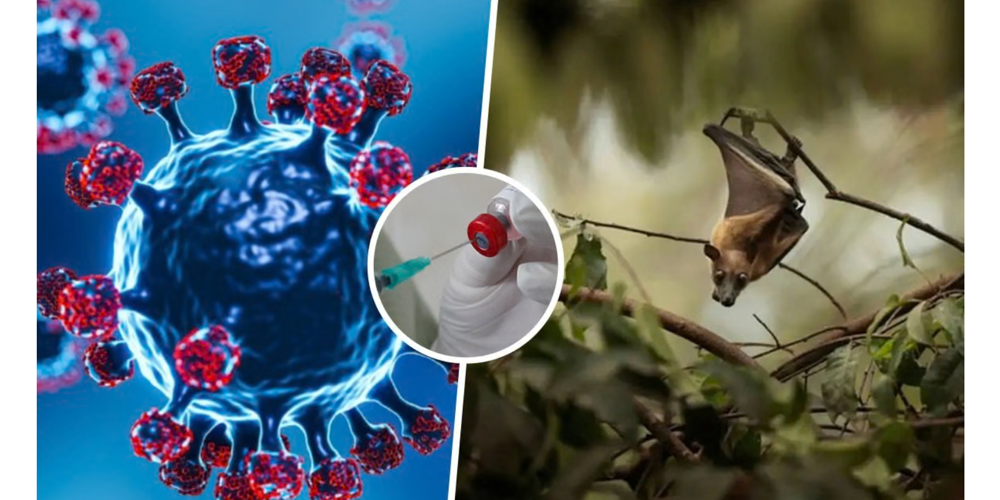
While COVID-19 has faded from emergency headlines, researchers continue to monitor new coronaviruses in animal reservoirs.
- Key concern:
- Animal-to-human spillover from bats and other wildlife
- Potential for rapid adaptation to human transmission
- Why scientists remain cautious:
- Coronaviruses mutate easily and spread efficiently once adapted
Surveillance programs are actively sequencing viruses to detect early warning signs.
5. Mpox and Other Re-Emerging Viruses
Mpox (formerly monkeypox) and similar viruses have shown how neglected infections can resurface globally.
- What scientists are tracking:
- Changes in transmission patterns
- Whether outbreaks remain limited or become sustained
- Lesson learned:
- Early containment and public awareness are critical
The Role of Climate Change and Urbanization
Scientists emphasize that viral outbreaks in 2026 are increasingly shaped by environmental and social factors:
- Deforestation increases human–wildlife contact
- Urban crowding accelerates transmission
- Climate change expands the habitat of disease-carrying vectors
These forces are creating ideal conditions for viruses to jump species and spread.
How Scientists Detect Threats Early
Modern outbreak surveillance relies on:
- Genomic sequencing to detect mutations
- Wastewater monitoring for early signals of viral spread
- Global data-sharing networks coordinated by WHO and national agencies
- AI-based modeling to predict outbreak hotspots
Early detection allows health systems to respond before cases surge.
What This Means for the Public
Health experts stress that awareness—not fear—is key.
What individuals can do:
- Follow public health advisories
- Practice hygiene and food safety
- Avoid misinformation and panic-driven behavior
- Support vaccination and surveillance programs
Most viruses being monitored do not pose an immediate threat, but vigilance ensures preparedness.
Are We Headed for Another Pandemic?
Scientists are careful with predictions. While another pandemic is possible, it is not inevitable.
Dr. epidemiologists worldwide agree on one point:
The question is not whether viruses will emerge—but whether we detect and contain them early.
The lessons learned from past outbreaks have strengthened global preparedness, but gaps remain.
Viral outbreaks in 2026 are being shaped by a complex mix of biology, climate, and human behavior. From Nipah virus and bird flu to dengue and novel coronaviruses, scientists are closely monitoring threats that could escalate if ignored.
The good news: early surveillance, rapid response, and informed communities can stop outbreaks before they spiral.
In an interconnected world, preparedness is the strongest defense—and vigilance remains our best protection.