

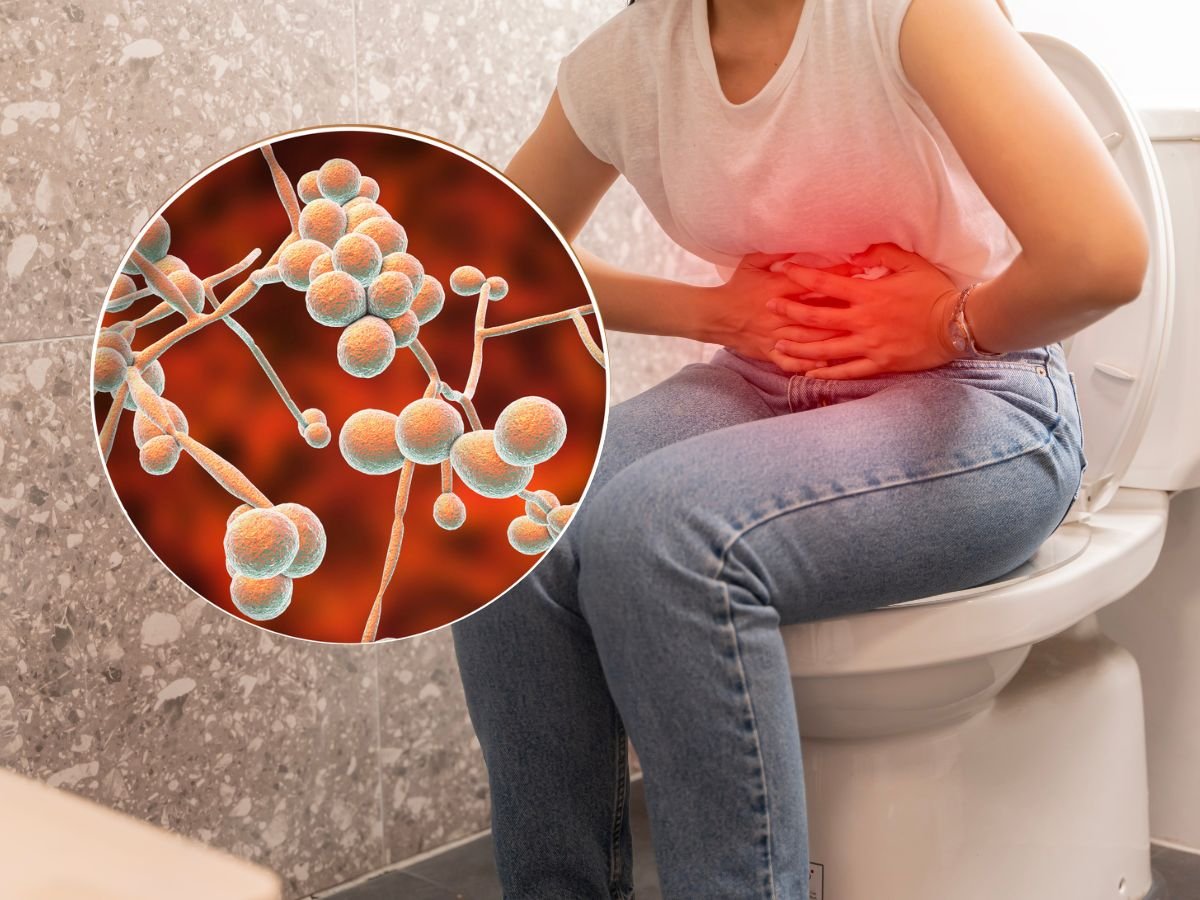
New Delhi, 03 September 2025: Urinary Tract Infection, commonly known as UTI, is one of the most common bacterial infections that affects millions of people worldwide every year. While it can occur in both men and women, women are at a much higher risk because of their shorter urethra, which makes it easier for bacteria to enter the bladder. If left untreated, a UTI can lead to serious complications like kidney infection.
What Is a UTI?
A UTI (Urinary Tract Infection) is an infection that affects any part of the urinary system — including the kidneys, ureters, bladder, and urethra. In most cases, UTIs affect the bladder and urethra.
Common Symptoms of UTI
UTI symptoms can range from mild discomfort to severe pain. The most common signs include:
A strong, persistent urge to urinate
- Burning sensation while urinating
- Passing frequent but small amounts of urine
- Cloudy, dark, or foul-smelling urine
- Blood in urine (hematuria)
- Pain or pressure in the lower abdomen or back
- Fever and chills (a sign the infection may have reached the kidneys)
Causes of UTI
The majority of UTIs are caused by Escherichia coli (E. coli) bacteria, which normally live in the intestines. Common causes and risk factors include:
- Poor personal hygiene
- Sexual activity (especially in women)
- Dehydration (not drinking enough water)
- Holding urine for long periods
- Use of certain birth control methods like diaphragms or spermicides
- Weak immune system
- Menopause (reduced estrogen changes the urinary tract environment)
- Urinary tract blockages (kidney stones or enlarged prostate in men)
Risk Groups
Some people are at a higher risk of developing UTIs, including:
- Women (especially sexually active and pregnant women)
- Postmenopausal women
- People with diabetes
- Those with kidney stones
- Individuals using catheters
Treatment for UTI
The treatment for UTI depends on its severity:
- Antibiotics: Doctors usually prescribe antibiotics like nitrofurantoin, trimethoprim-sulfamethoxazole, or ciprofloxacin.
- Pain relief: Painkillers or urinary analgesics may be recommended.
- Hydration: Drinking plenty of water helps flush out bacteria.
- Hospitalization: Severe cases with kidney involvement may require IV antibiotics.
Self-medication is not advised. Always consult a healthcare professional.
Home Remedies And Lifestyle Tips
Along with medical treatment, certain lifestyle changes can help in recovery and prevention:
Drink at least 8–10 glasses of water daily
- Include cranberry juice (may help prevent bacteria from sticking)
- Maintain good personal hygiene
- Urinate after sexual activity
- Avoid holding urine for too long
How to Prevent UTIs
- Wear breathable cotton underwear
- Prevention is better than cure. Follow these habits to reduce your risk:
- Stay well-hydrated
- Empty your bladder frequently
- Wipe front to back after using the toilet
- Avoid using harsh soaps or douches
- Opt for showers instead of prolonged baths
- When to See a Doctor
- Seek immediate medical help if you notice:
- High fever with chills
- Severe back or side pain
- Nausea and vomiting
- Blood in urine
- Recurrent UTIs (more than 2–3 in a year)
Key Takeaway
A UTI is a common yet preventable condition. Early recognition of symptoms, proper treatment, and healthy lifestyle habits can keep your urinary tract infection-free. If you suspect you have a UTI, consult a doctor promptly to avoid complications.














Leave a comment