

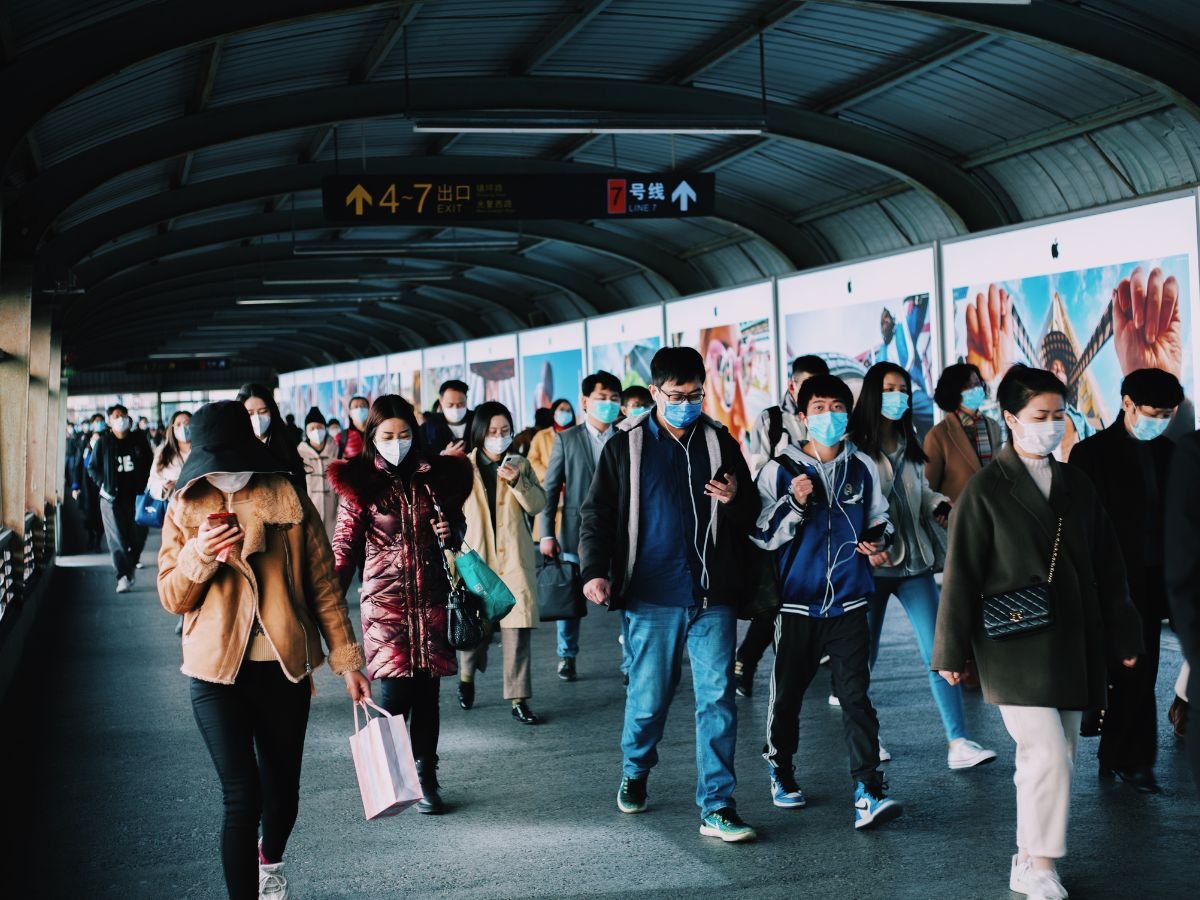
New Delhi: Public health authorities across the United Kingdom are preparing for what experts warn could be a once-in-a-decade surge in seasonal influenza, driven by a mutated viral strain that appears to spread more rapidly—especially among children, teenagers, and young adults. As the winter season approaches, hospitals, schools, and community health providers are monitoring the situation closely, anticipating an influenza wave that may eclipse outbreaks seen in recent years.
The emergence of this mutated strain has set off alarms because it combines two troubling characteristics: heightened transmissibility and a stronger foothold in younger populations. These patterns differ significantly from typical seasonal flu dynamics, in which older adults usually bear the brunt of severe infections. The shift has sparked urgent discussions about vaccination uptake, hospital preparedness, and the readiness of public health systems to respond swiftly to a fast-moving virus.
A Mutated Strain With Unusual Characteristics
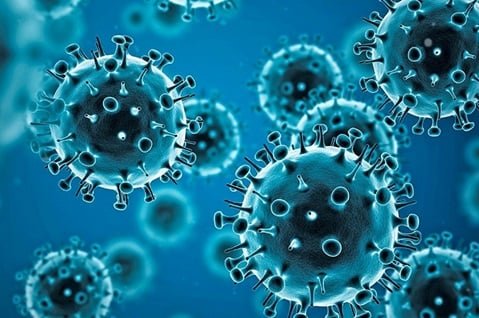
Seasonal influenza viruses mutate frequently, which is why the flu vaccine composition is updated each year. However, not all mutations meaningfully change how the virus behaves. This year’s circulating strain—first identified during surveillance in parts of Southeast Asia and later detected in Europe—appears to have undergone mutations that make it more adept at binding to cells in the upper respiratory tract, boosting its ability to spread through coughing, sneezing, and even normal conversation.
Early analyses suggest that the mutated strain may have a shorter incubation period, meaning individuals become contagious sooner after exposure. This accelerates community transmission, especially in environments such as classrooms, universities, and indoor social settings. While scientists are still studying whether the mutation affects severity, its accelerated spread is already evident.
These characteristics mirror patterns seen during major global flu seasons in the past, including the notable surges of 2009 and 2017, when novel variants drove rapid increases in case numbers. Experts caution that even if severity remains moderate, a large surge in infections can place significant pressure on healthcare systems simply due to volume.
Why Younger People Are More Affected
One of the most striking features of this year’s flu activity is the disproportionate number of cases occurring in younger age groups. Several factors may contribute to this trend:
1. Lower Immunity Levels Post-Pandemic
Over the past few years, reduced circulation of seasonal viruses—thanks largely to COVID-era precautions such as masking, social distancing, and limited travel—resulted in lower natural exposure to common pathogens. Young children, in particular, have not built up the typical immune memory that would normally accumulate through repeated exposures.
This immunity gap means younger people are more susceptible to contracting and spreading the flu, especially when confronted with a strain carrying mutations that enhance transmissibility.
2. High Contact Rates in Schools and Universities
The mutated flu variant appears to capitalize on environments where people gather in close quarters. Schools, colleges, and universities naturally become hotspots for transmission due to high-density interactions. As students return to classrooms and campus events ramp up, the virus has multiple opportunities to jump from host to host.
3. Changing Vaccine Uptake Trends
Public health data in recent years has shown declining flu vaccine uptake among children and teens, despite strong recommendations. Misinformation, pandemic fatigue, and shifting perceptions of risk have contributed to uneven vaccination rates. Lower immunity combined with decreased vaccination leaves younger populations especially vulnerable to new strains.
4. Unique Biological Susceptibilities
Researchers are investigating whether the mutated strain has developed features that allow it to bind more effectively to receptors that are more abundant in younger individuals. While this hypothesis has not yet been confirmed, similar patterns have occurred with other respiratory pathogens in the past.
The UK’s Public Health Response
Recognizing the potential scale of the surge, UK health agencies have activated a series of preparedness measures designed to mitigate the spread and reduce the burden on hospitals.
Enhanced Surveillance and Early Detection
The UK Health Security Agency (UKHSA) has expanded influenza monitoring, increasing diagnostic testing in GP practices, hospitals, and community health centers. Wastewater surveillance and genomic sequencing are being used to track the mutated strain’s spread and detect further changes.
Accelerated Vaccination Campaigns
Health authorities are urging people—especially young children, pregnant women, and individuals with chronic conditions—to receive their flu vaccines as soon as possible. Schools are being encouraged to support on-site vaccination clinics, a strategy shown to boost coverage significantly.
Officials emphasize that, while the current vaccine may not be a perfect match for the mutated strain, it still offers strong protection against severe illness, hospitalization, and complications.
Preparing the NHS for Increased Demand
Hospitals are reviewing staffing plans, expanding bed capacity where possible, and reinforcing infection-control protocols. Lessons learned during the COVID-19 pandemic have helped create more flexible surge strategies, though staffing shortages remain a concern.
Potential Impact on Schools and Workplaces
If infections rise sharply as predicted, schools may face high rates of absenteeism among both students and teachers. Education leaders are preparing contingency plans, including temporary remote learning options and updated guidance for parents on when to keep children at home.
Workplaces may also experience disruptions, particularly in sectors reliant on young adult employees such as retail, hospitality, and logistics. Employers are being encouraged to promote vaccination, support sick leave policies, and maintain ventilation improvements introduced during the pandemic.
Could This Become a Severe Flu Season?
Whether this surge becomes one of the more severe flu seasons of the decade depends on several factors:
1. Vaccine Effectiveness
If the flu vaccine retains good cross-protection against the mutated strain, hospitalizations may remain manageable even if case numbers increase.
2. Behavioural Responses
Simple public health behaviors—staying home when sick, improving ventilation, and practicing good respiratory hygiene—can significantly slow the spread.
3. Timing of the Peak
If the seasonal peak arrives earlier than expected, it may collide with other winter viruses such as RSV and COVID-19, increasing strain on the NHS.
4. Severity in Vulnerable Groups
So far, most infections have been concentrated in younger individuals, who are generally at lower risk of severe flu. A shift toward older age groups could quickly escalate hospitalizations.
How the Public Can Prepare
Authorities are encouraging individuals and families to take proactive steps:
- Get vaccinated as early as possible.
- Stay home if experiencing flu-like symptoms.
- Improve indoor ventilation, particularly during gatherings.
- Prioritize sleep, nutrition, and hydration, which support immune function.
- Use rapid flu tests if available, especially in high-risk households.
- Seek medical advice for young children, pregnant individuals, or people with chronic illnesses who develop flu symptoms.
Parents are also urged to watch for warning signs such as high fever, difficulty breathing, dehydration, or unusual lethargy in children, and to seek prompt care when needed.
Looking Ahead: Preparing for a New Flu Landscape
The UK’s experience this season may offer a preview of what future flu dynamics could look like. Mutations that enhance transmissibility—especially among younger people—could lead to more frequent or more intense seasonal surges. Climate factors, global travel patterns, and waning immunity may also shape influenza’s evolution in the years ahead.
The situation reinforces the importance of strong vaccination programs, global viral surveillance, and responsive public health systems. It also underscores a broader lesson from recent global health challenges: viruses evolve rapidly, and societies must adapt quickly in return.
As the UK braces for a once-in-a-decade flu surge, driven by a mutated strain spreading faster among younger people, public health officials are urging preparedness and vigilance. While the path of the outbreak remains uncertain, the combination of heightened transmissibility, immunity gaps in younger populations, and fluctuating vaccine uptake presents a significant challenge.
Still, the tools to mitigate the surge are within reach. With increased vaccination, rapid public health responses, and community awareness, the nation can blunt the impact of an unusually intense flu season. The coming months will test the resilience and readiness of the UK’s health infrastructure—but they also offer an opportunity to strengthen long-term strategies for managing evolving respiratory threats.
















Leave a comment