

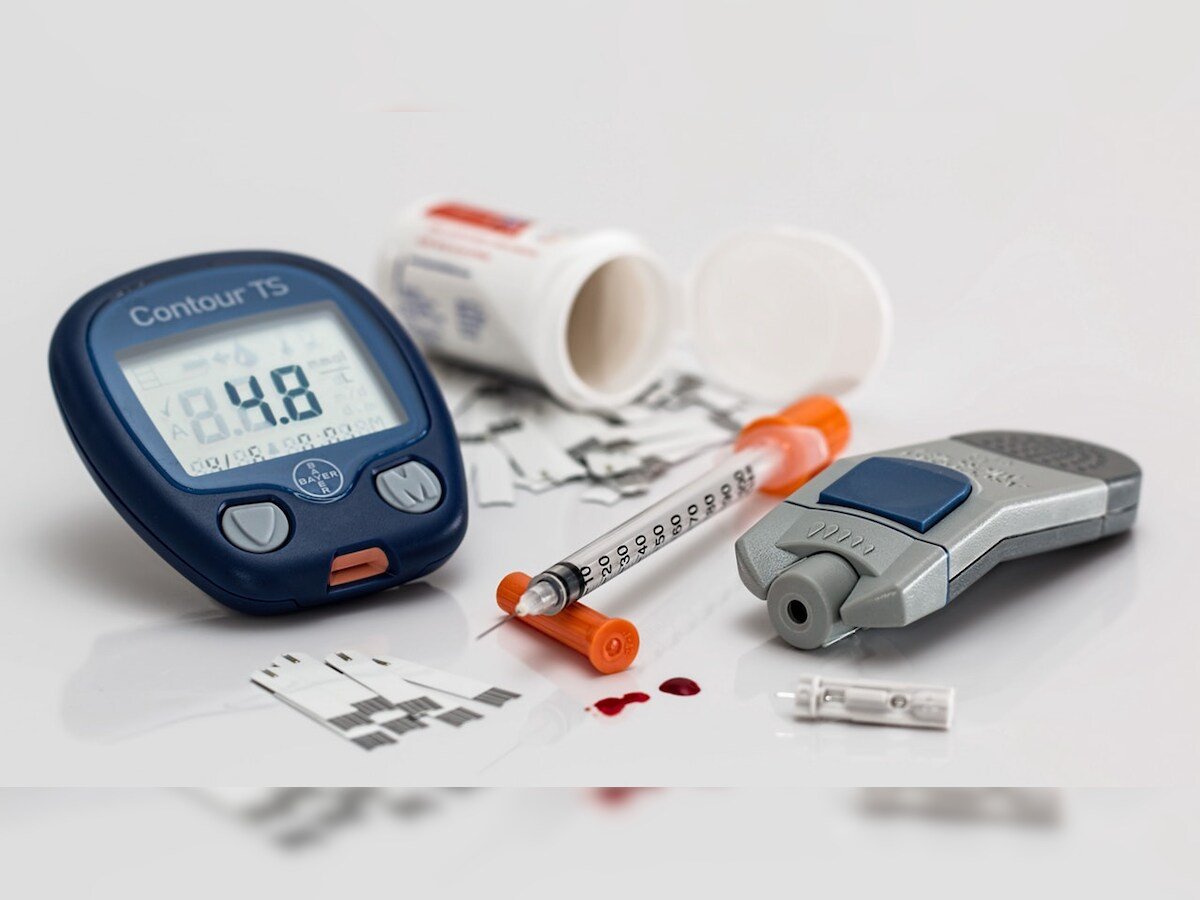
New Delhi, 15 May 2025: In a major development in global healthcare, Type 5 diabetes — a form of diabetes linked to malnutrition — has now been officially recognised by international medical bodies. This recognition marks a significant step toward addressing a condition that silently affects millions, particularly in low- and middle-income countries.
While Type 1 and Type 2 diabetes have long dominated medical discourse, the emergence of Type 5 diabetes (also known as Malnutrition-Related Diabetes Mellitus or MRDM) sheds light on how poverty, undernutrition, and lack of access to basic healthcare can create a deadly metabolic disease.
What Is Type 5 Diabetes?
Type 5 diabetes is a lesser-known but highly impactful form of diabetes that occurs primarily in undernourished individuals, especially during childhood or adolescence. It typically develops in populations where chronic malnutrition and poverty are widespread.
Unlike Type 1 diabetes (autoimmune) or Type 2 diabetes (linked to insulin resistance and obesity), Type 5 diabetes occurs when long-term undernutrition damages the pancreas — particularly the beta cells responsible for producing insulin. As a result, the body either doesn’t produce enough insulin or cannot use it efficiently, leading to elevated blood sugar levels.
This condition has historically been under-recognized and under-reported, largely because it affects marginalised, impoverished communities and mimics features of both Type 1 and Type 2 diabetes, making diagnosis difficult.
Who Is Most at Risk?
Type 5 diabetes predominantly affects people in low-resource settings, particularly in parts of South Asia, Sub-Saharan Africa, Latin America, and areas with high rates of childhood malnutrition.
Children and adolescents who suffer from chronic undernutrition, vitamin and micronutrient deficiencies, or delayed growth are most at risk. The disease often goes unnoticed until complications develop, as healthcare access is limited in many affected regions.
Men are often disproportionately affected, especially in rural communities where food insecurity and labour-intensive work intersect.
Symptoms and Warning Signs
The symptoms of Type 5 diabetes may be similar to other forms of diabetes, but due to the additional burden of malnutrition, some warning signs are more pronounced:
- Unexplained weight loss
- Persistent fatigue and weakness
- Poor growth in children
- Recurrent infections
- Increased thirst and urination
- Delayed wound healing
What distinguishes Type 5 diabetes is the presence of visible signs of undernutrition, such as muscle wasting, stunted growth, and poor skin or hair condition.
Type 5 Diabetes: How Is It Diagnosed and Treated?
Diagnosing Type 5 diabetes requires a careful evaluation of nutritional history, physical signs of malnutrition, blood sugar levels, and pancreatic function. Misdiagnosis is common, as many patients are treated for Type 1 or Type 2 diabetes, which can lead to inappropriate treatment.
Treatment for Type 5 diabetes involves insulin therapy in some cases, but more importantly, it must address the underlying nutritional deficiencies. A high-protein, calorie-rich diet, vitamin supplementation, and proper medical care are essential to manage the disease and prevent complications.
Why Official Recognition Matters
The official classification of Type 5 diabetes as a distinct entity means that it will now receive more focused attention in global health policy, research funding, and public health programs.
According to health experts, recognising Type 5 diabetes is critical to:
- Improving early diagnosis and treatment
- Developing targeted nutritional interventions
- Preventing diabetes-related complications in vulnerable populations
- Reducing overall healthcare burden in developing countries
The World Health Organization (WHO) and International Diabetes Federation (IDF) are now calling for governments to include screening for malnutrition-linked diabetes in rural and urban slum areas.
The formal recognition of Type 5 diabetes shines a light on the intersection of poverty, nutrition, and chronic disease. Millions of individuals suffer silently due to lack of awareness, misdiagnosis, and inadequate care.
This moment is a critical wake-up call for governments, NGOs, and healthcare professionals to bridge the gap between nutrition and non-communicable disease management. By addressing malnutrition head-on, we can not only treat but also prevent the rise of Type 5 diabetes — and give vulnerable populations a fair chance at a healthy future.












Leave a comment