

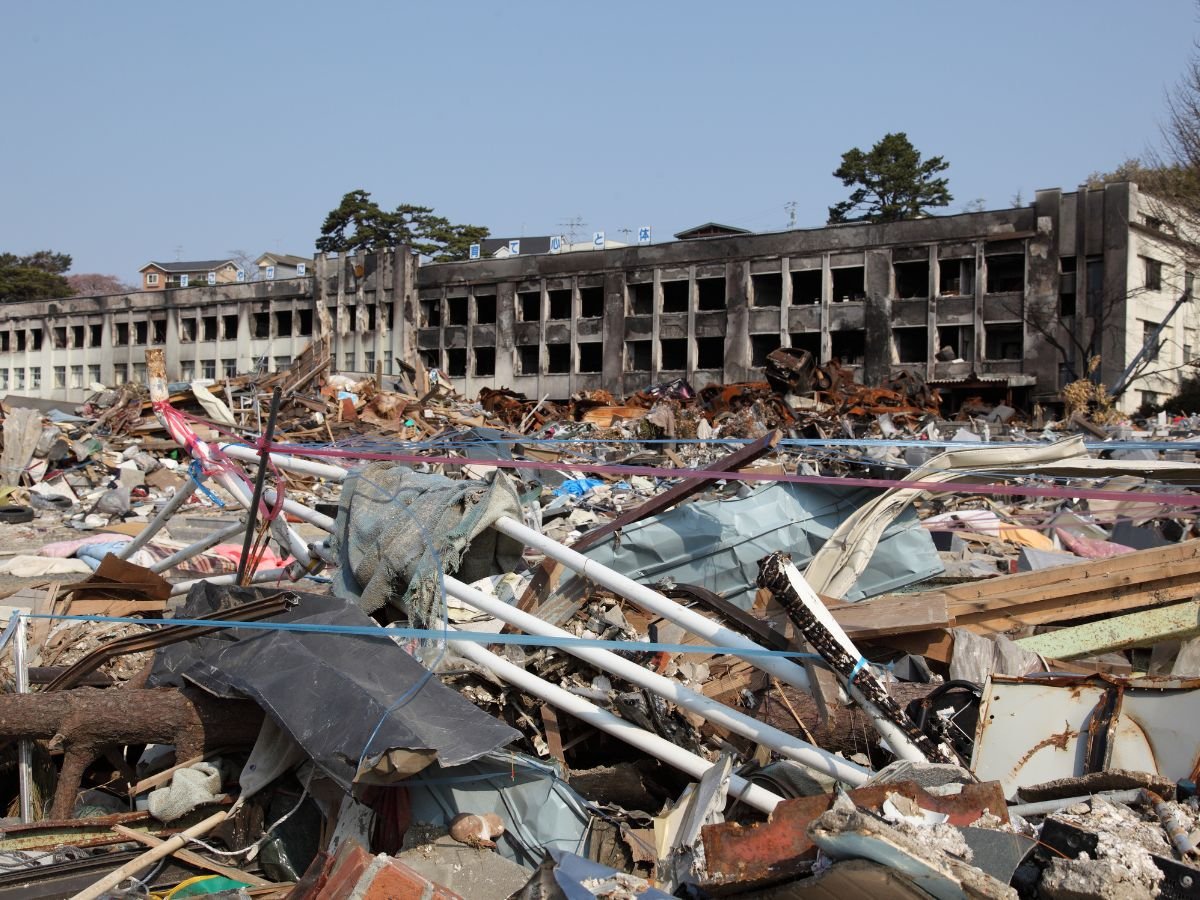
New Delhi, 03 May 2025: A powerful 7.4-magnitude earthquake shook the Drake Passage off southern Chile on Friday, triggering widespread panic, tsunami warnings, and emergency evacuations. Though the tsunami alert has since been lifted, health officials are warning of silent dangers that often follow such disasters—especially to mental and physical health.
The quake struck around 9:58 a.m. local time, 219 km south of Puerto Williams, at a depth of 10 km. The tremor prompted Chile’s National Disaster Prevention and Response Service (SENAPRED) to issue evacuation orders across the Magallanes region and the Chilean Antarctic Territory.
More than 1,000 people in Puerto Williams and dozens at Antarctic research stations were moved to higher ground within minutes. Chilean President Gabriel Boric, who hails from the region, called an emergency meeting and activated national disaster protocols.
Tsunami Threat Eases, But Health Concerns Rise
While the immediate tsunami threat was called off by the afternoon, the quake’s impact goes beyond infrastructure damage. Health experts are raising flags about the hidden toll such events can take on public health.
- Mental Health ImpactFear, panic, and confusion during evacuations can trigger anxiety, PTSD, and acute stress—especially in children and the elderly. Health teams have already been deployed to shelters to provide psychological first aid and support.
“Just because there were no visible injuries doesn’t mean people aren’t hurting,” said Dr. María Torres, a health responder in Punta Arenas. “Mental health after trauma is just as critical as physical injuries.”
- Injuries During Evacuation: In the rush to evacuate, several people sustained minor injuries—mostly sprains and scrapes. Emergency responders are providing first aid, but warn that more serious injuries can occur in unstable buildings or during aftershocks.
- Chronic Conditions at Risk: Disruptions to power, transportation, and pharmacies mean people with chronic illnesses like diabetes, hypertension, or asthma may face treatment delays. Authorities are urging residents to carry medications in emergency kits.
Mobile medical teams are being deployed to ensure continued care and monitor conditions in temporary shelters.
What Is the Government Doing?
Chile’s emergency system responded rapidly. Alerts were sent through mobile networks, TV, and radio. Hospitals were put on standby. Emergency medical kits, mental health counselors, and mobile units were dispatched.
Citizens are being reminded to keep:
- Basic medicines
- First-aid kits
- Water and food for 72 hours
- Mental health hotline numbers
Chile sits on the Pacific Ring of Fire and is no stranger to powerful quakes. But events like this serve as a reminder: the health impact of natural disasters often lingers long after the ground stops shaking.
With no casualties so far, Chile’s preparedness has once again prevented a crisis. Still, public health officials stress: physical and mental well-being must remain a top priority—even after the tsunami threat is gone.













Leave a comment