


New Delhi, 24 July 2025: One of the first signs that your brain health might be in distress is chronic headaches. While occasional headaches are common and usually not a cause for concern, persistent or worsening headaches—especially those that occur in the morning or come with nausea—can indicate increased pressure in the brain or other neurological issues.
Sudden confusion or disorientation – If someone suddenly starts forgetting names, gets lost in familiar places, or can’t follow a conversation. These could be early symptoms of cognitive decline or even a transient ischemic attack (mini-stroke). This is especially concerning if it happens abruptly and is accompanied by trouble speaking or understanding others.
Loss of balance and coordination – A healthy brain works seamlessly with the body to manage coordination and balance. If you begin to experience unexplained stumbling, difficulty walking, or frequent falls, it may signal brain trouble such as a problem in the cerebellum, the part of the brain responsible for motor control.
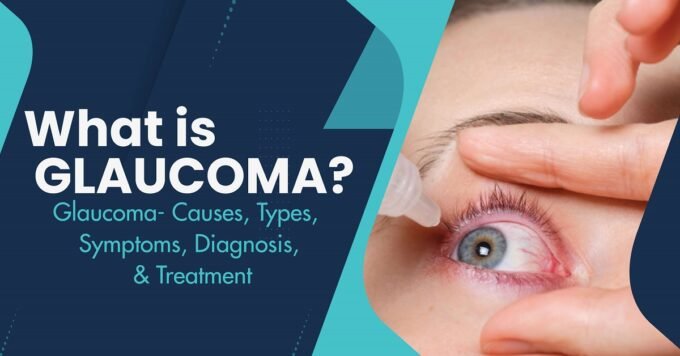
Vision problems or blurred sight – Your eyes directly connected to your brain. Sudden double vision, blurred vision, or partial loss of sight in one or both eyes could point to a stroke, tumor, or other neurological condition. It is especially important to seek immediate medical help if visual changes come on suddenly.
Memory loss that affects daily life – While it’s normal to occasionally forget where you placed your keys, consistent memory lapses that interfere with daily activities are a red flag. This includes forgetting appointments, repeating questions, or losing track of dates and time. These could be early indicators of Alzheimer’s disease or another form of dementia.
Slurred speech or trouble understanding words – If speech becomes suddenly unclear, or you find it difficult to form sentences or understand language, it may be a sign of a brain-related condition such as a stroke or a neurological disorder affecting language processing areas.
Numbness or weakness on one side of the body – Sudden numbness or paralysis on one side—affecting the face, arm, or leg—is a classic symptom of stroke. Even if it lasts only a few minutes and then resolves, it could a mini-stroke (TIA) and must not ignored. Prompt treatment is crucial to prevent permanent brain damage.
Personality or mood changes – Changes in mood, behavior, or personality that come on without clear cause might signal brain trouble. For example, someone who is typically calm may become irritable or anxious, or a once-social person may become withdrawn. Such changes can linked to tumors, head injuries, or neurodegenerative diseases.
Seizures in someone who never had them before – The sudden onset of seizures, especially in adults who never experienced them before, is a major red flag. Brain tumors, infections, and traumatic injuries can all lead to seizures. Even a single unexplained seizure warrants a full neurological evaluation.
Hearing loss or ringing in ears with balance issues – If you start experiencing a combination of hearing problems and balance difficulties. It may indicate a condition affecting the brain or inner ear, such as a tumor on the auditory nerve or vestibular disorders. This combination should never dismissed.
Brain health is often neglected until major symptoms show up. These warning signs are your body’s way of signaling distress, and early detection can save lives or prevent irreversible damage. Anyone over 40, especially with a family history of neurological conditions, should consider routine brain scans and neurological checkups. Prevention and early care remain the best tools in preserving long-term brain health.













Leave a comment