Home Let’s Talk Health Too Much Salt Not Only Raises Blood Pressure, May Weaken Immune System Also: Study
Let’s Talk Health

Too Much Salt Not Only Raises Blood Pressure, May Weaken Immune System Also: Study

Share
Share

A high-salt diet is not only bad for one’s blood pressure, but also for the immune system, a new study under the leadership of the University Hospital Bonn found.

Mice fed a high-salt diet were found to suffer from much more severe bacterial infections.

Human volunteers who consumed an additional six grams of salt per day also showed pronounced immune deficiencies. This amount corresponds to the salt content of two fast food meals. The results are published in the journal Science Translational Medicine.

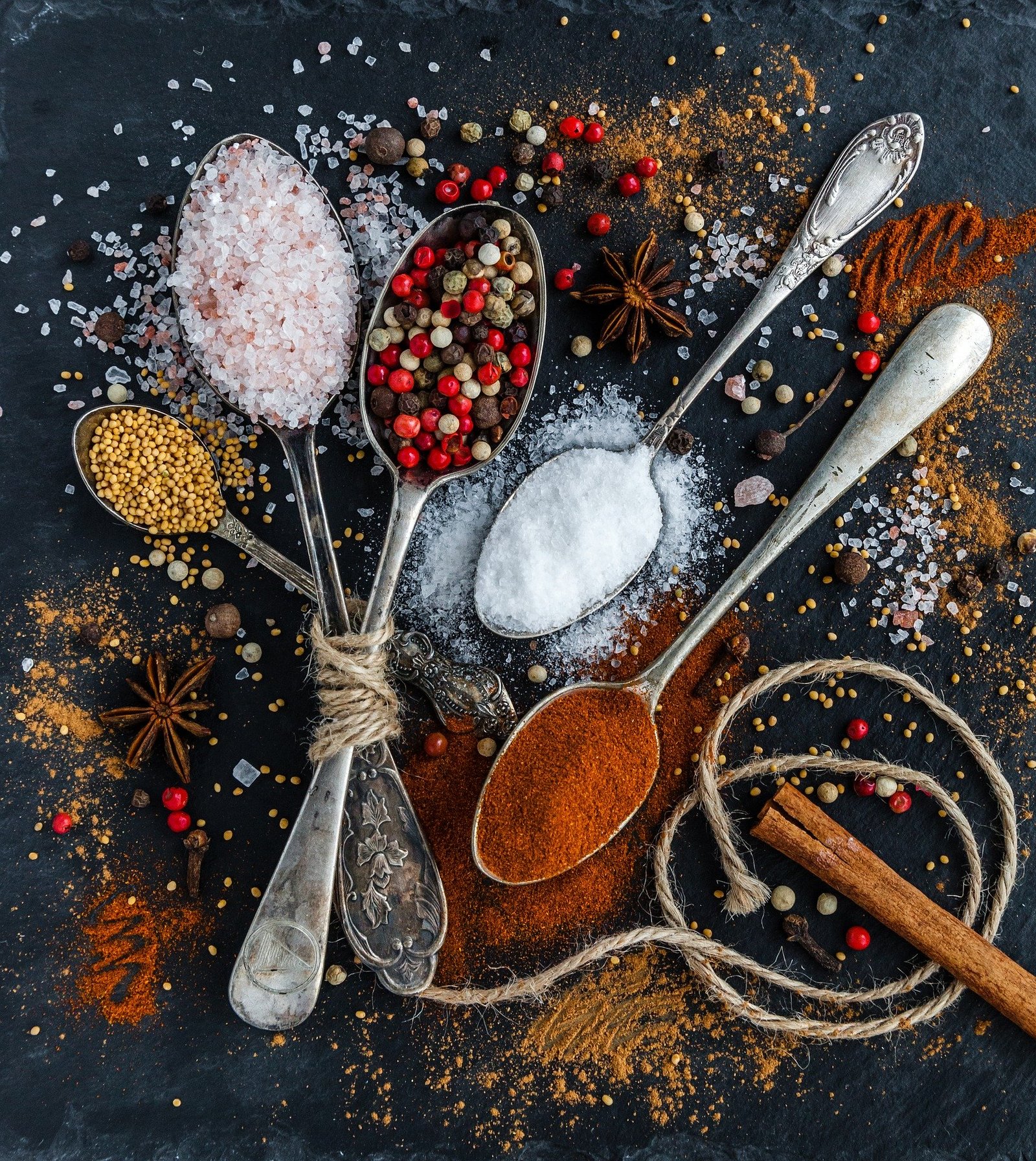
Five grams a day, no more: This is the maximum amount of salt that adults should consume according to the recommendations of the World Health Organization (WHO).

It corresponds approximately to one level teaspoon.

In reality, however, many Germans exceed this limit considerably: Figures from the Robert Koch Institute suggest that on average men consume ten, women more than eight grams a day.

This means that we reach for the salt shaker much more than is good for us. After all, sodium chloride, which is its chemical name, raises blood pressure and thereby increases the risk of heart attack or stroke.

But not only that: “We have now been able to prove for the first time that excessive salt intake also significantly weakens an important arm of the immune system,” explains Prof. from the Institute of Experimental Immunology at the University of Bonn.

This finding is unexpected, as some studies point in the opposite direction. For example, infections with certain skin parasites in laboratory animals heal significantly faster if these consume a high-salt diet: The macrophages, which are immune cells that attack, eat and digest parasites, are particularly active in the presence of salt.

Several physicians concluded from this observation that sodium chloride has a generally immune-enhancing effect.

“Our results show that this generalization is not accurate,” emphasizes Katarzyna Jobin, lead author of the study, who has since transferred to the University of Würzburg.

There are two reasons for this: Firstly, the body keeps the salt concentration in the blood and in the various organs largely constant. Otherwise important biological processes would be impaired.

The only major exception is the skin: It functions as a salt reservoir of the body. This is why the additional intake of sodium chloride works so well for some skin diseases.

However, other parts of the body are not exposed to the additional salt consumed with food. Instead, it is filtered out by the kidneys and excreted in the urine. And this is where the second mechanism comes into play: The kidneys have a sodium chloride sensor that activates the salt excretion function.

As an undesirable side effect, however, this sensor also causes so-called glucocorticoids to accumulate in the body.

And these in turn inhibit the function of granulocytes, the most common type of immune cell in the blood. Granulocytes, like macrophages, are scavenger cells.

However, they do not attack parasites, but mainly bacteria. If they do not do this to a sufficient degree, infections proceed much more severely.

“We were able to show this in mice with a listeria infection,” explains Dr. Jobin. “We had previously put some of them on a high-salt diet. In the spleen and liver of these animals we counted 100 to 1,000 times the number of disease-causing pathogens.”

Listeria are bacteria that are found for instance in contaminated food and can cause fever, vomiting and sepsis. Urinary tract infections also healed much more slowly in laboratory mice fed a high-salt diet.

Sodium chloride also appears to have a negative effect on the human immune system. “We examined volunteers who consumed six grams of salt in addition to their daily intake,” says Prof. Kurts.

“This is roughly the amount contained in two fast food meals, i.e. two burgers and two portions of French fries.” After one week, the scientists took blood from their subjects and examined the granulocytes.

The immune cells coped much worse with bacteria after the test subjects had started to eat a high-salt diet.

In human volunteers, the excessive salt intake also resulted in increased glucocorticoid levels. That this inhibits the immune system is not surprising: The best-known glucocorticoid cortisone is traditionally used to suppress inflammation.

“Only through investigations in an entire organism were we able to uncover the complex control circuits that lead from salt intake to this immunodeficiency,” stresses Kurts. “Our work therefore also illustrates the limitations of experiments purely with cell cultures.  

Share

Leave a comment

Leave a Reply

Your email address will not be published. Required fields are marked *

Don't Miss

Latest News

Union Budget 2026 LIVE: What Does the Healthcare Sector Seek?

As Finance Minister Nirmala Sitharaman presents the Union Budget 2026, the healthcare sector is closely tracking the announcements, hoping for decisive reforms that...

Cancer
Press ReleaseVirus & Disease

Nipah Virus Infection – India

Situation at a glance On 26 January 2026, the National IHR Focal Point for India notified WHO of two laboratory‑confirmed cases of Nipah...

Latest News

Hidden Cancers in Women: Early Symptoms You’re Probably Ignoring

Many cancers in women remain undetected until they reach advanced stages, making early awareness and screening critical. While breast and cervical cancers receive...

The Nipah virus is considered one of the deadliest zoonotic infections globally, not because it spreads rapidly like influenza or COVID-19, but because of its extremely high fatality rate, rapid progression, and severe brain involvement. Medical experts warn that once symptoms escalate, the disease can turn fatal within days. According to available data, the case fatality rate of Nipah virus ranges between 50 and 75 per cent, placing it among the most lethal viral infections known to humans. In this explainer, Dr Dip Narayan Mukherjee, Consultant – Microbiology and Infectious Diseases, CK Birla Hospitals, CMRI, sheds light on why the virus is so dangerous and difficult to control. Why Is the Nipah Virus So Deadly? According to Dr Mukherjee, Nipah’s lethality lies in a combination of delayed symptom recognition, aggressive disease progression, and early involvement of the brain. “Nipah virus often begins with very non-specific symptoms, which makes early detection difficult. By the time it is clinically suspected, the virus may have already affected the brain,” he explains. Early Symptoms Often Go Unnoticed One of the biggest challenges in controlling Nipah virus is that its initial symptoms closely resemble common viral illnesses, leading to delays in diagnosis and isolation. Early symptoms include: Fever Headache Cough Muscle pain General weakness “These symptoms are easily mistaken for flu, viral fever, or respiratory infections,” says Dr Mukherjee. “This delay gives the virus time to progress silently.” Severe Brain Infection Drives High Mortality The most dangerous aspect of Nipah virus infection is its neurological involvement. The virus frequently causes encephalitis, or inflammation of the brain, which significantly increases the risk of death. Neurological symptoms may include: Seizures Confusion and altered consciousness Extreme drowsiness Coma “Once the central nervous system is involved, the disease becomes very difficult to manage,” Dr Mukherjee notes. “At this stage, treatment is largely supportive because there is no specific antiviral therapy available.” This lack of targeted treatment options makes early detection critical. Human-to-Human Transmission Raises Risk While Nipah virus is primarily transmitted from fruit bats, it can also spread from person to person, particularly in healthcare settings. Dr Mukherjee points out that: Caregivers and healthcare workers are at higher risk Exposure to high viral loads can worsen outcomes Inadequate infection control increases transmission risk “Strict adherence to infection control practices is essential. Even a small lapse can result in secondary infections,” he says. Zoonotic Nature Makes Exposure Hard to Predict Nipah virus is transmitted from fruit bats, either directly or through intermediate hosts such as pigs. This zoonotic pattern makes outbreaks unpredictable, especially in regions where humans, animals, and wildlife interact closely. Adding to the challenge: There is no approved vaccine Treatment options remain limited Isolation protocols must be strictly enforced What Can Reduce Nipah Fatalities? According to experts, early action remains the most effective defence against Nipah virus. Key measures include: Early isolation of suspected cases Strict use of personal protective equipment (PPE) Rapid escalation and referral to specialised centres Strong hospital infection control protocols “The earlier the virus is identified and contained, the better the chances of preventing severe disease and fatalities,” Dr Mukherjee emphasises. The Bottom Line Nipah virus continues to be a serious public health threat because of its high fatality rate, neurological complications, and lack of targeted treatment. Its ability to masquerade as a mild illness in the early stages makes vigilance crucial. Health experts stress that awareness, early suspicion, and strict infection control are currently the most powerful tools to reduce deaths linked to this deadly virus. As Dr Mukherjee concludes, “With Nipah, time is the most critical factor. Early recognition can save lives.”
Latest News

Nipah Virus in India: What You Should Know and How to Stay Safe

Nipah virus (NiV) is a rare but highly dangerous zoonotic virus that can be transmitted from animals to humans and, in some cases,...

Latest News

How Seasonal Flu Symptoms Are Changing in 2026—and What It Means for You

Seasonal influenza, commonly known as the flu, affects millions of people worldwide every year, and 2026 has already shown changes in how the...

Section title

Related Articles
Exercise's Contribution to Liver Health and Damage Prevention.
Let’s Talk HealthSpotlight

Liver Health Alert: These 7 Foods Can Damage Liver Similar to Alcohol – Be Cautious!

Liver Health Management Tips: The liver forms a linchpin for the proper...

Diabetes Symptoms In Women: Diabetic Foot and 4 Other Warning Signs of High Blood Sugar
Let’s Talk HealthSpotlight

Diabetes Symptoms In Women: Diabetic Foot and 4 Other Warning Signs of High Blood Sugar

Diabetes Symptoms In Women: Worldwide, diabetes is an enduring health problem impacting...

Throat Pain Home Remedies: 7 Tips To Keep Yourself Safe During The Weather Change
Let’s Talk HealthSpotlight

Throat Pain Home Remedies: 7 Tips To Keep Yourself Safe During The Weather Change

Suddenly got a sore throat? Weather change might be the culprit. It’s...

×