

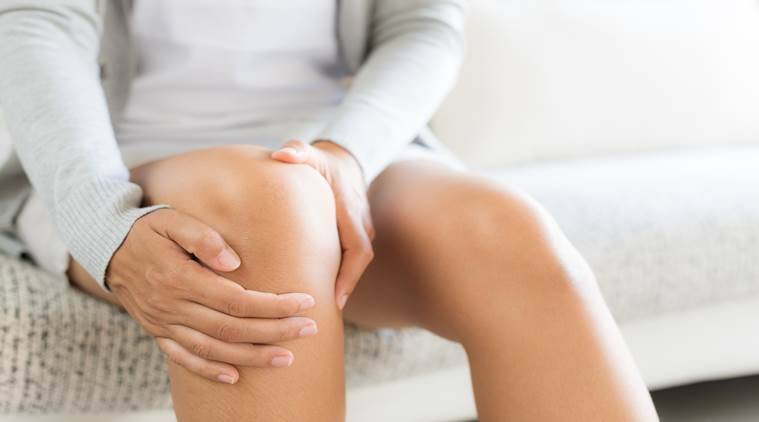
New Delhi, 14 October, 2025: Osteoarthritis is often described as a “wear and tear” disease, but in reality, it’s far more complex. Once considered a problem mainly for older adults, this degenerative joint condition is now affecting millions of people worldwide across different age groups.
Experts warn that osteoarthritis cases are rising at an alarming rate, fueled by lifestyle changes, longer lifespans, and a growing global population. This “silent pain” doesn’t always grab headlines, but it profoundly impacts mobility, mental health, and quality of life for those who live with it.
What Is Osteoarthritis?
Osteoarthritis (OA) is the most common form of arthritis. It occurs when the protective cartilage that cushions the ends of bones gradually wears down over time. Cartilage acts as a shock absorber and allows smooth joint movement. When it breaks down:
- Bones may begin to rub against each other
- Pain, swelling, and stiffness develop
- Joint mobility declines
- Bone spurs may form, worsening discomfort
Osteoarthritis most commonly affects the knees, hips, hands, spine, and sometimes the shoulders. Although damage cannot be fully reversed, early intervention and proper management can significantly slow its progression and improve quality of life.
A Growing Global Health Concern
OA is no longer seen as an inevitable part of aging—it’s now recognized as a major public health issue. According to global health organizations, hundreds of millions of people are living with osteoarthritis today, and the numbers are climbing.
Key factors behind the rise:
- Aging population: Longer life expectancies mean more years of joint wear and tear.
- Rising obesity rates: Excess body weight increases stress on weight-bearing joints, especially the knees and hips.
- Sedentary lifestyles: Lack of regular movement weakens muscles and joint support.
- Sports and occupational injuries: Repetitive movements or old injuries can accelerate cartilage degeneration.
This surge isn’t just a matter of discomfort—it’s affecting work productivity, mental health, healthcare costs, and overall well-being.
How Osteoarthritis Develops Over Time
OA typically develops slowly, often taking years before symptoms become severe. It usually begins with:
- Cartilage Softening: Early cartilage breakdown leads to minor joint discomfort.
- Cartilage Loss: The cushioning surface wears away, causing bones to rub together.
- Inflammation and Bone Changes: The body tries to repair the damage, but bone spurs and inflammation make the situation worse.
- Loss of Mobility: Stiffness and pain make everyday movements harder.
By the time OA is diagnosed, many people have already experienced significant joint damage, making early detection and lifestyle adjustments critical.
Common Symptoms to Watch For
Osteoarthritis symptoms can vary depending on the joint affected, but the most common signs include:
- Persistent joint pain, especially after activity or at the end of the day
- Stiffness, particularly in the morning or after periods of rest
- Swelling or tenderness around the joint
- A grating sensation or cracking sound during movement
- Decreased flexibility or range of motion
These symptoms may start mildly and progress gradually, which is why OA is often referred to as “silent pain.” Many people dismiss early signs as normal aging until the condition becomes debilitating.
Risk Factors Driving the Surge
1. Aging Population
Age is one of the strongest risk factors. As people live longer, cartilage naturally becomes less resilient, making joints more vulnerable to damage.
2. Obesity and Overweight
Carrying extra body weight places extra load on joints, especially knees. Even a few additional kilograms can significantly increase the stress on these joints during daily activities.
3. Lack of Physical Activity
Ironically, while excessive high-impact activity can harm joints, too little movement weakens the muscles that support joints. Weak muscles increase instability and accelerate cartilage wear.
4. Previous Joint Injuries
Old injuries from sports, accidents, or repetitive motion at work can predispose joints to early degeneration.
5. Genetics
Family history plays a role in how cartilage responds to wear and tear. Some people are genetically predisposed to develop OA earlier.
6. Hormonal Changes
Post-menopausal women are at increased risk, suggesting hormonal influences may affect cartilage health and joint stability.
The Hidden Impact of Osteoarthritis
While OA is often perceived as a physical condition, its impact reaches far beyond the joints.
1. Reduced Mobility and Independence
Joint pain and stiffness can limit basic daily activities like walking, climbing stairs, cooking, or even getting dressed. Over time, this loss of independence can lead to isolation and frustration.
2. Mental Health Strain
Chronic pain is closely linked to depression, anxiety, and emotional distress. Living with daily discomfort can erode quality of life.
3. Economic and Work Challenges
For working-age adults, OA can result in absenteeism, reduced productivity, and even early retirement. Globally, this places a significant burden on healthcare systems and economies.
4. Increased Risk of Other Health Problems
People with limited mobility are more likely to experience weight gain, cardiovascular problems, and muscle weakness, creating a vicious cycle that worsens OA and overall health.
Managing Osteoarthritis: What Works
Although there is currently no cure for OA, many strategies can help manage symptoms, preserve joint function, and maintain a good quality of life.
1. Regular Low-Impact Exercise
Exercise strengthens the muscles around joints, improves flexibility, and reduces pain.
- Walking: Improves circulation and joint lubrication.
- Swimming or water aerobics: Gentle on joints while building strength.
- Yoga or stretching: Enhances flexibility and reduces stiffness.
2. Weight Management
Maintaining a healthy weight reduces pressure on joints, especially the knees and hips. Even a modest weight loss can significantly decrease pain and slow disease progression.
3. Physical Therapy
A physical therapist can design personalized exercises to improve joint stability, posture, and mobility.
4. Medications and Pain Relief
Depending on severity, options may include:
- Over-the-counter pain relievers (such as acetaminophen or NSAIDs)
- Prescription anti-inflammatory drugs
- Corticosteroid injections for temporary relief
Always consult a healthcare provider for proper use and long-term strategies.
5. Assistive Devices
Canes, braces, or orthotic insoles can reduce strain on joints and make movement easier.
6. Surgical Options
For advanced OA that doesn’t respond to other treatments, joint replacement surgery may restore mobility and reduce pain. Modern surgical techniques have high success rates, particularly for knees and hips.
Preventing Osteoarthritis or Slowing Its Progression
Prevention is often more effective than treatment. While not all cases can be avoided, these steps can help:
- Maintain a healthy weight throughout life
- Stay physically active with low-impact exercises
- Avoid repetitive joint strain and high-risk activities
- Seek prompt treatment for joint injuries
- Focus on good posture and body mechanics
Early lifestyle adjustments can make a remarkable difference in joint health over time.
Living Well with Osteoarthritis
Receiving an OA diagnosis doesn’t mean giving up an active life. Many people manage their symptoms successfully and continue to live full, independent lives by combining:
- Medical care
- Lifestyle adjustments
- Support from family and healthcare professionals
Joining support groups or community wellness programs can also provide emotional support and practical strategies to cope with daily challenges.
Future Outlook: Why Awareness Matters Now
The rising prevalence of OA highlights the urgent need for greater awareness, early detection, and preventive strategies. As populations age and lifestyles become more sedentary, experts warn that osteoarthritis could become one of the leading causes of disability worldwide.
Researchers are also exploring new treatments—from regenerative medicine to targeted therapies—that may one day slow or even reverse cartilage damage. Until then, early action remains the most powerful tool we have.
Osteoarthritis may be a “silent” disease, but its impact is anything but quiet. Behind every case is a person living with pain, mobility challenges, and emotional strain. As the number of cases continues to rise, understanding risk factors, promoting healthy lifestyles, and ensuring access to effective treatments are critical.
Osteoarthritis doesn’t have to define your life. With the right knowledge, habits, and support, it’s possible to manage symptoms, protect your joints, and stay active for years to come.















Leave a comment