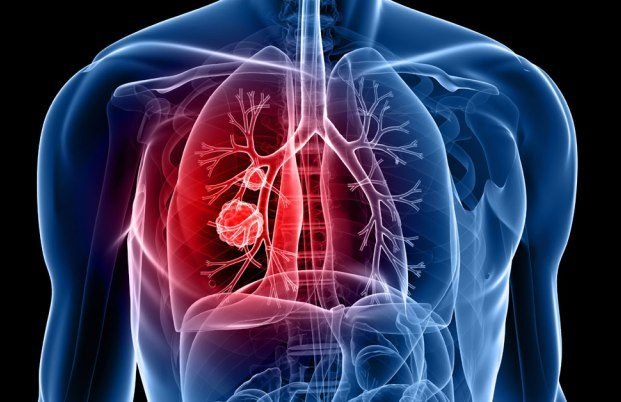
For decades, lung cancer has been almost universally associated with smoking. The image of a long-term smoker developing the disease has shaped public perception, awareness campaigns, and even medical suspicion. But recent trends are challenging this long-held belief. Doctors and public health experts are increasingly warning that lung cancer is no longer a disease limited to smokers. A growing number of cases are now being diagnosed in people who have never touched a cigarette.
This shift marks a significant and worrying change in the landscape of lung cancer—and it carries an important message: non-smokers, too, need to be vigilant.
A Silent Shift in Lung Cancer Patterns
Across hospitals and cancer centres, clinicians are observing a steady rise in lung cancer cases among non-smokers. Many of these patients are younger, urban, and have no history of tobacco use. In several cases, the diagnosis comes as a shock—not only to patients but also to their families—because lung cancer was never considered a possibility.
This changing pattern suggests that while smoking remains a major risk factor, it is no longer the only one. Environmental, occupational, lifestyle, and genetic factors are now playing a much bigger role than previously understood.
Why Lung Cancer in Non-Smokers Often Goes Undetected
One of the biggest dangers for non-smokers is delayed diagnosis. Because lung cancer is still widely perceived as a “smoker’s disease,” early symptoms are frequently ignored or misattributed to minor respiratory infections, allergies, asthma, or stress.
Non-smokers themselves are less likely to suspect lung cancer, and healthcare providers may initially look for more common explanations. As a result, many non-smokers are diagnosed at later stages, when the disease has already advanced.
Early detection saves lives—but only if warning signs are taken seriously.
What’s Driving Lung Cancer in Non-Smokers?
The rise in lung cancer among non-smokers is linked to a combination of modern environmental and biological factors.
1. Air Pollution
Air pollution has emerged as one of the strongest contributors to lung cancer risk in non-smokers. Prolonged exposure to fine particulate matter from vehicle emissions, industrial pollution, construction dust, and burning of fuels can damage lung tissue over time.
In many cities, people are exposed to unsafe air levels daily, even indoors. This chronic exposure causes inflammation and genetic damage in lung cells, increasing cancer risk—even in those who have never smoked.
2. Second-Hand Smoke
Passive smoking remains a significant but underestimated risk. Regular exposure to cigarette smoke at home, in public spaces, or at the workplace can increase the likelihood of lung cancer. Non-smokers living with smokers are particularly vulnerable, especially women and children.
Even brief but repeated exposure over years can have long-term consequences.
3. Indoor Air Pollution
In many households, especially in developing regions, cooking fumes from solid fuels, poor ventilation, incense sticks, mosquito coils, and indoor pollutants can harm lung health. Long-term inhalation of these substances can quietly damage the lungs, creating conditions favourable for cancer development.
4. Occupational Hazards
Certain professions involve exposure to carcinogens such as asbestos, silica, diesel fumes, and industrial chemicals. Construction workers, factory employees, miners, and those working in poorly ventilated environments face higher risks—even if they are non-smokers.
Often, symptoms appear years after exposure, making the connection harder to recognise.
5. Genetic and Biological Factors
Recent advances in cancer research show that lung cancer in non-smokers often behaves differently at a molecular level. Certain genetic mutations are more common in non-smokers, particularly in women.
These biological differences partly explain why non-smokers can develop lung cancer without traditional risk factors—and why personalised treatment approaches are becoming increasingly important.
Symptoms That Non-Smokers Should Not Ignore
The symptoms of lung cancer in non-smokers are often subtle and non-specific, which makes vigilance crucial. Warning signs may include:
- Persistent cough that does not improve
- Shortness of breath during routine activities
- Chest pain or discomfort
- Recurrent respiratory infections
- Unexplained weight loss
- Fatigue that feels unusual or prolonged
- Coughing up blood, even in small amounts
- Hoarseness or voice changes
Because these symptoms overlap with common conditions, they are frequently ignored until the disease progresses.
Why Women Are Being Diagnosed More Often
Doctors are noting a particularly sharp rise in lung cancer among women who have never smoked. Hormonal factors, genetic susceptibility, indoor air pollution, and second-hand smoke exposure are believed to contribute.
This trend highlights the danger of relying solely on smoking history to assess lung cancer risk. Gender-specific awareness and screening discussions are becoming increasingly important.
The Importance of Early Diagnosis
Lung cancer outcomes depend heavily on the stage at which the disease is detected. Early-stage lung cancer is far more treatable, with better survival rates and more treatment options. However, when diagnosis is delayed—as is common in non-smokers—the disease is often detected at an advanced stage.
Doctors emphasise that persistent respiratory symptoms should always be evaluated, regardless of smoking status. Being a non-smoker does not equal being low-risk.
Screening: Who Should Consider It?
While lung cancer screening has traditionally focused on heavy smokers, experts are now debating broader risk-based approaches. Individuals with long-term exposure to air pollution, occupational hazards, or a family history of lung cancer may benefit from closer monitoring.
Although routine screening for all non-smokers is not currently standard, awareness among high-risk groups is critical.
Prevention Beyond Quitting Smoking
For non-smokers, prevention focuses on reducing environmental exposure and protecting lung health:
- Minimising exposure to polluted air where possible
- Improving indoor ventilation
- Using cleaner cooking fuels
- Avoiding second-hand smoke
- Wearing protective equipment in high-risk workplaces
- Seeking medical advice for persistent respiratory symptoms
Public health efforts also play a crucial role in improving air quality and workplace safety.
Changing the Narrative Around Lung Cancer
The rise of lung cancer in non-smokers challenges outdated assumptions and calls for a broader understanding of risk. It also demands a shift in awareness campaigns—from focusing solely on tobacco to addressing environmental and occupational threats.
Equally important is removing stigma. Non-smokers with lung cancer often face disbelief or blame, which can affect emotional well-being and delay care. Lung cancer is a disease—not a moral failure.
Conclusion
Lung cancer is no longer a condition that only smokers need to worry about. The changing face of the disease reflects modern environmental realities, lifestyle exposures, and biological complexity. For non-smokers, the biggest risk today may be assuming they are not at risk at all.
Vigilance, awareness, and early action are key. Persistent symptoms deserve attention, clean air deserves priority, and lung health deserves protection—regardless of whether a person has ever smoked. In this new era of lung cancer, awareness can no longer afford to be selective.