

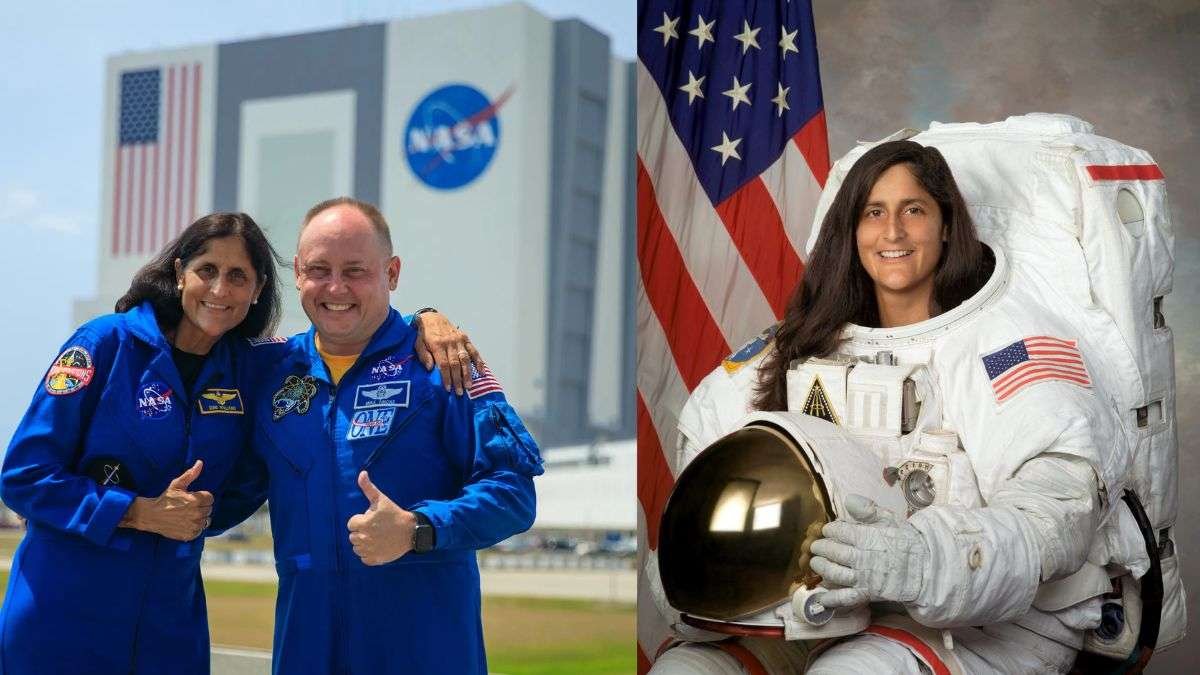
New Delhi, September 15: “The human body is incredibly resilient, but it’s not invincible,” Sunita Williams said. “Space travel presents unique challenges, particularly when it comes to bone density and radiation exposure. It’s crucial that we continue to study these effects and develop strategies to protect future astronauts.”
NASA astronauts Sunita Williams and Butch Wilmore, currently aboard the International Space Station (ISS). Has shared insights into the physical challenges of long-term space travel, particularly the impact on bone density and radiation exposure.
In a recent press conference, Williams emphasized the importance of rigorous exercise and preventative measures to mitigate these effects.
Sunita Williams Shares The Toll of Microgravity
One of the most significant challenges astronauts face in space is bone loss. The microgravity environment of the ISS can lead to a decrease in bone density, a condition similar to osteoporosis. Williams explained that “if we don’t work out every day, we’ll lose bone density.” To combat this, astronauts engage in a demanding exercise regimen, including cardiovascular exercises and resistance training, to maintain bone health.
The Threat of Radiation
Another major concern for astronauts is exposure to radiation. While the ISS provides some shielding from harmful cosmic rays, astronauts still exposed to a higher level of radiation than on Earth. This can increase the risk of health problems, including cancer and cataracts. To mitigate the effects of radiation, astronauts carefully monitored and take precautions to minimize their exposure.
Williams emphasized the importance of ongoing research into the long-term health effects of space travel. By studying the experiences of astronauts like herself, scientists can develop strategies to protect future space explorers from the challenges of extended missions.
How Is Sunita Williams Surviving In The Space?
Despite the challenges, Williams expressed her admiration for the human body’s ability to adapt to the harsh environment of space. She highlighted the importance of perseverance, determination, and a positive mindset in overcoming the physical and mental demands of long-term space missions. As humanity continues to explore the cosmos, the insights gain from astronauts like Sunita Williams will be invaluable in ensuring the safety and well-being of future space travellers
Read Also – Excessive Parental Screen Time Linked to Declining Vocabulary in Children















Leave a comment