Home Health News Cardiology Summer Heart Attack Warning: 7 Early Signs Your Body May Show Just an Hour Before
CardiologyHealth News

Summer Heart Attack Warning: 7 Early Signs Your Body May Show Just an Hour Before

Share
Preventing Heart Failure in India: The Role of Hypertension Awareness and Holistic Care
Share

New Delhi, 19 May 2025: With temperatures soaring across the globe, health experts are warning of a sharp increase in summer-related heart attacks. Extreme heat can put an enormous strain on the cardiovascular system — especially in older adults, people with pre-existing heart conditions, and even younger individuals who ignore early warning signs.

A heart attack rarely comes without a warning. In fact, your body may start sending subtle signals — sometimes just an hour before it strikes. Recognizing these signs early could mean the difference between life and death.

Here are 7 early symptoms your body might show right before a heart attack, especially during the hot summer months.

Sudden Chest Discomfort or Tightness

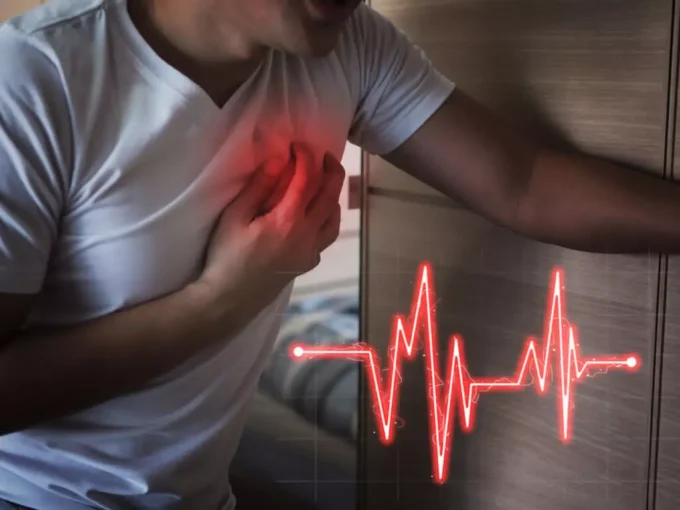
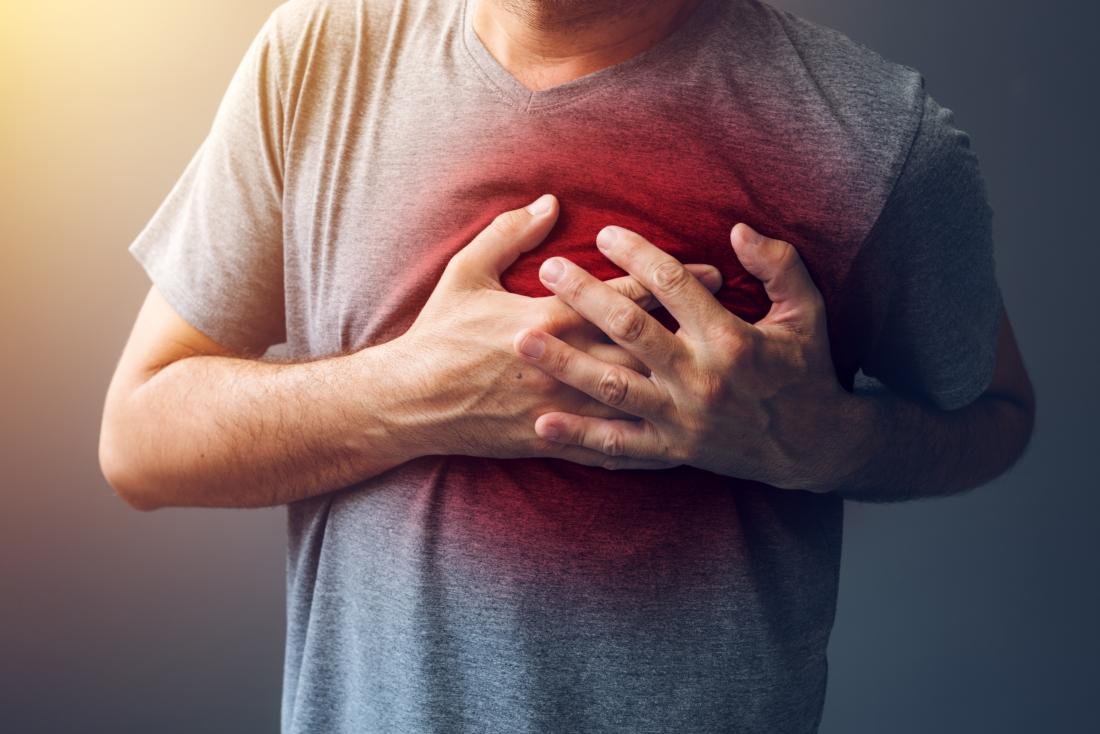
The classic symptom of a heart attack is chest pain, often described as pressure, squeezing, or tightness in the center or left side of the chest. In summer, this may be mistaken for heat exhaustion or dehydration. If it lasts for more than a few minutes or comes and goes, seek emergency help immediately.

Unexplained Sweating (Cold Sweat)

While sweating is normal in summer, cold sweat — particularly when you’re not exerting yourself — is a major red flag. It may feel clammy or sticky and usually accompanies other symptoms like chest discomfort or nausea. This occurs because your nervous system goes into fight-or-flight mode as your heart struggles to pump blood.

Shortness of Breath

Struggling to catch your breath while resting or doing light activity could signal an impending heart attack. The heart and lungs work closely together, and when the heart fails to pump effectively, it affects your breathing. In summer, people may confuse this with the heat or humidity, which makes it even more dangerous.

Nausea or Light-Headedness

Feeling dizzy, faint, or nauseated during a hot day could be more than heatstroke. Light-headedness paired with other heart attack symptoms could indicate your brain isn’t getting enough oxygen due to poor blood flow. This symptom is more common in women and may not be immediately recognized as heart-related.

Fatigue or Sudden Weakness

If you feel extremely tired, weak, or sluggish out of nowhere — even after light activities — it could be your heart’s way of telling you it’s in trouble. This is often reported in the hour or hours before a heart attack, especially during high-heat days that already push your body to the edge.

Pain Radiating to the Arm, Jaw, Neck, or Back

Heart attack pain doesn’t always stay in the chest. It can radiate to your left arm, shoulders, neck, jaw, or back. In many cases, people think they’ve pulled a muscle or slept wrong. If this kind of pain occurs along with any of the above symptoms, don’t ignore it.

Irregular or Rapid Heartbeat

A fluttering sensation or sudden irregular heartbeat can be a serious sign of cardiac distress. During summer, dehydration and electrolyte imbalances can trigger arrhythmias, making your heart work harder. If you feel like your heart is racing or skipping beats, it could signal a pending cardiac event.

Don’t chalk up unusual fatigue, dizziness, or chest tightness to the weather. These could be warning signs of a heart attack — especially if they appear suddenly and persist for more than a few minutes. Always seek medical attention if in doubt.

This summer, stay hydrated, avoid peak sun hours, and listen to your body. Early action can save your life.

Share
Written by
kirti Shah

Kirti is a Senior Health Editor at Healthwire Media, specializing in health journalism and digital health communication. With over four years of experience in the healthcare media landscape, she is dedicated to transforming complex clinical data into accessible, patient-friendly information. Kirti oversees the editorial lifecycle of every article, ensuring they meet rigorous fact-checking standards and align with the latest guidelines from primary sources like the WHO and Ministry of Health. In her role, Kirti works closely with a panel of board-certified physicians and medical reviewers to ensure that every piece of content published is not only easy to understand but also medically accurate and safe for the public. She is passionate about health literacy and helping readers navigate their wellness journeys with confidence.

Leave a comment

Leave a Reply

Your email address will not be published. Required fields are marked *

Don't Miss

Latest News

Glaucoma: The ‘Silent Thief of Sight’ – Early Warning Signs You Should Never Ignore

Glaucoma is often called the “silent thief of sight” because it can damage vision slowly and quietly, often without noticeable symptoms in its...

Lifestyle & Wellness

Why Men Feel Constantly Tired: Experts Reveal the Hidden Role of Dehydration, Stress and Poor Sleep

For many men today, health challenges don’t begin with illness; they start quietly, woven into everyday routines. Long hours at a desk, crowded...

Can 150 Minutes of Exercise a Week Help You Live Longer? Scientists Weigh In
Health News

Can 150 Minutes of Exercise a Week Help You Live Longer? Scientists Weigh In

In case you have ever questioned yourself what exactly is the best amount of exercise to help you improve health and live a...

Endometriosis
Obstetrics & Gynecology

Severe Period Pain Could Signal Endometriosis: Gynecologist Warns Women Not to Ignore These Symptoms

Many women experience pain and discomfort during their menstrual cycle and often consider it a normal part of periods. However, health experts say...

ENT

Glaucoma Risk Factors: These People Are More Likely to Develop the ‘Silent Vision Thief’

Glaucoma is a serious eye condition that can gradually damage vision. It is often called the “silent vision thief” because its early symptoms...

Section title

Related Articles
Cardiology

Nighttime Heart Attack Risk Factors: 5 Most Common Causes of Cardiac Emergencies At Night

Heart attacks are often associated with daytime stress and activity, but many...

Rapid Heart Beat
Cardiology

Heart Failure vs Heart Attack: How to Identify Symptoms and Seek Timely Treatment

Heart failure remains one of the leading causes of morbidity, mortality, and...

Chronic Venous Insufficiency
Health News

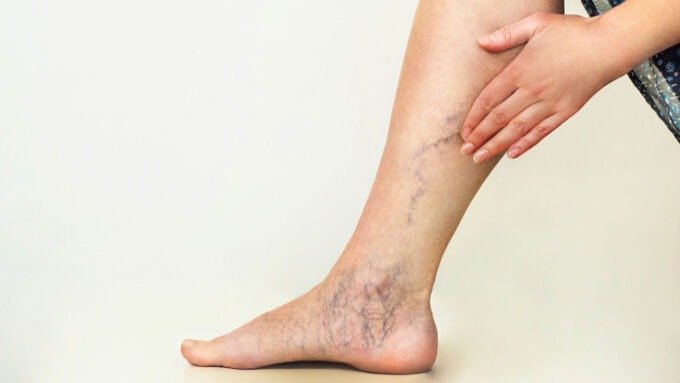
What Is Chronic Venous Insufficiency? Symptoms, Risk Factors & Best Treatments Explained

Chronic Venous Insufficiency (CVI): CVI represents a permanent medical condition which prevents...

HMPV Virus Symptoms: 7 Signs You Could Be Suffering from Human Metapneumovirus
Health News

What is HMPV? Respiratory virus with cold-like symptoms surges across US

A respiratory virus known as Human Metapneumovirus (HMPV) is drawing increased attention...