

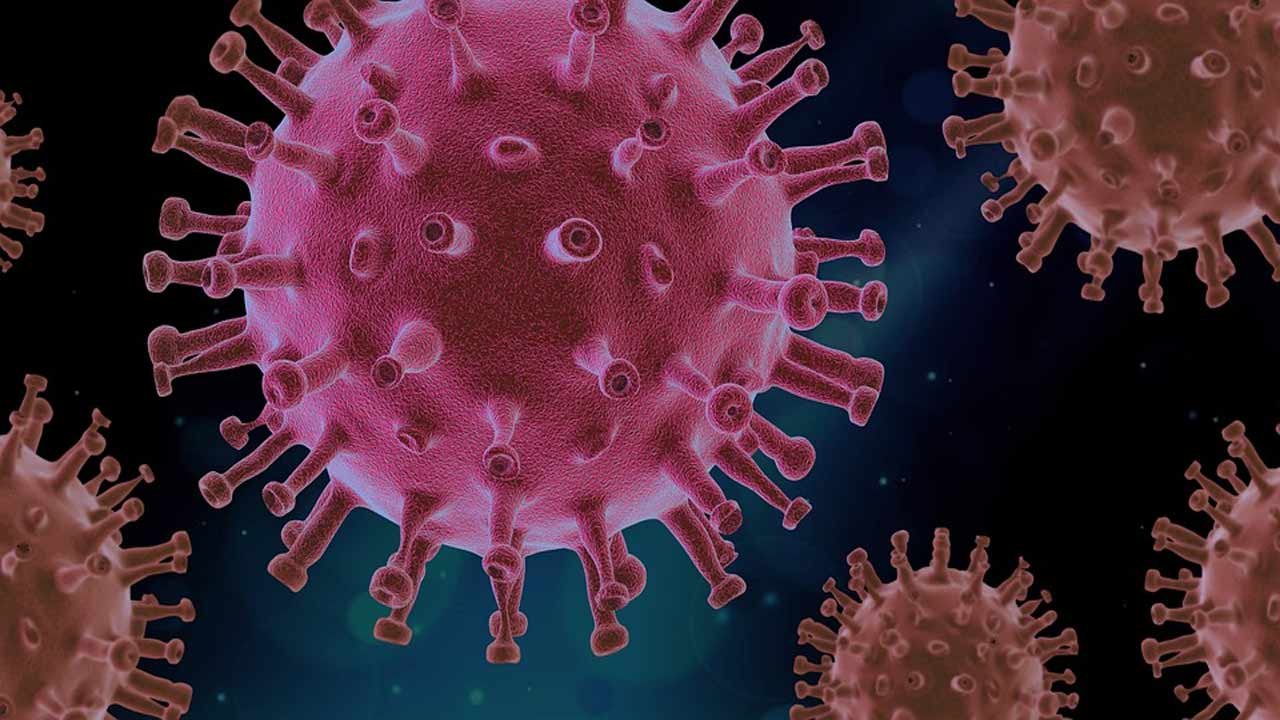
Scientists have recently developed a way of using infra-red technology to rapidly test the patients who are at most risk of becoming severely unwell from COVID-19. The test is hoped to perform with 85 per cent accuracy in a small trial study of coronavirus patients in India – could in future be used to triage patients in areas with large outbreaks of the disease.
QIMR Berghofer Medical Research Institute and the Indian Institute of Technology in Mumbai led the study and has been published in the journal Analytical Chemistry. The test was developed through an international collaboration between academia and industry using blood samples from 128 COVID-19 patients in Mumbai, India, stated the head of QIMR Berghofer’s Precision and Systems Biomedicine Research Group, Associate Professor Michelle Hill.
Associate Professor Hill said Infra-red spectra measure the levels of different chemical groups in a sample said, “We established a method to safely handle potentially infectious blood samples. We then passed this to our collaborators in India, who used it to measure 128 blood samples with an infra-red spectrometer on loan from Agilent Technologies.”
Dr Gunter Hartel, the head of QIMR Berghofer’s Statistics Unit, then used artificial intelligence to develop an algorithm to work out which the chemical groups, or ‘signatures’, were connected with patients who became severely unwell.
“We found there were measurable differences in the infra-red spectra in the patients who became severely unwell. In particular, there were differences in two infra-red regions that correspond to sugar and phosphate chemical groups, as well as primary amines, which occur in specific types of proteins,” Associate Professor Hill said.
“We also found that having diabetes was a predictor of becoming severely unwell in this group of patients, so we fed this information into the algorithm.” “We then tested the algorithm on blood samples from a separate group of 30 patients from Mumbai and found it was 85 per cent accurate in predicting which patients would become severely ill. “However, it did result in more ‘false positives’ than predictions that were based solely on the clinical risk factors of age, sex, hypertension and diabetes. We hope that with more testing we can reduce these false positives.”
“From our study, we can say that there is a correlation between blood chemical signature and becoming severely unwell with COVID-19,” Professor Srivastava said.
“However, we can’t conclude that slight differences in these chemical groups cause patients to become more unwell. We can only conclude that there is an association.” Further validation was now needed said the study’s lead author and Indian Institute of Technology PhD candidate Arghya Banerjee.
“We now need to test the method in additional patient groups to confirm whether the findings of this study can be applied to other populations,” he said.
In the studies published in other countries have found chemical differences in more severe COVID-19 cases mentioned, the head of the Proteomics Facility at the Indian Institute of Technology, Professor Sanjeeva Srivastava. Primarily, India’s Science and Engineering Research Board, the Government of India funded the study, and it also granted from the Indian Institute of Technology, and QIMR Berghofer Medical Research Institute.
Associate Professor Hill said if the infra-red test proved successful in further tests, the teams hoped it could be used in hospitals facing high volumes of COVID-19 patients. The project was performed with clinical collaboration from the head of the Microbiology Department at Kasturba Hospital in Mumbai, Dr Jayanthi Shastri.












Leave a comment