

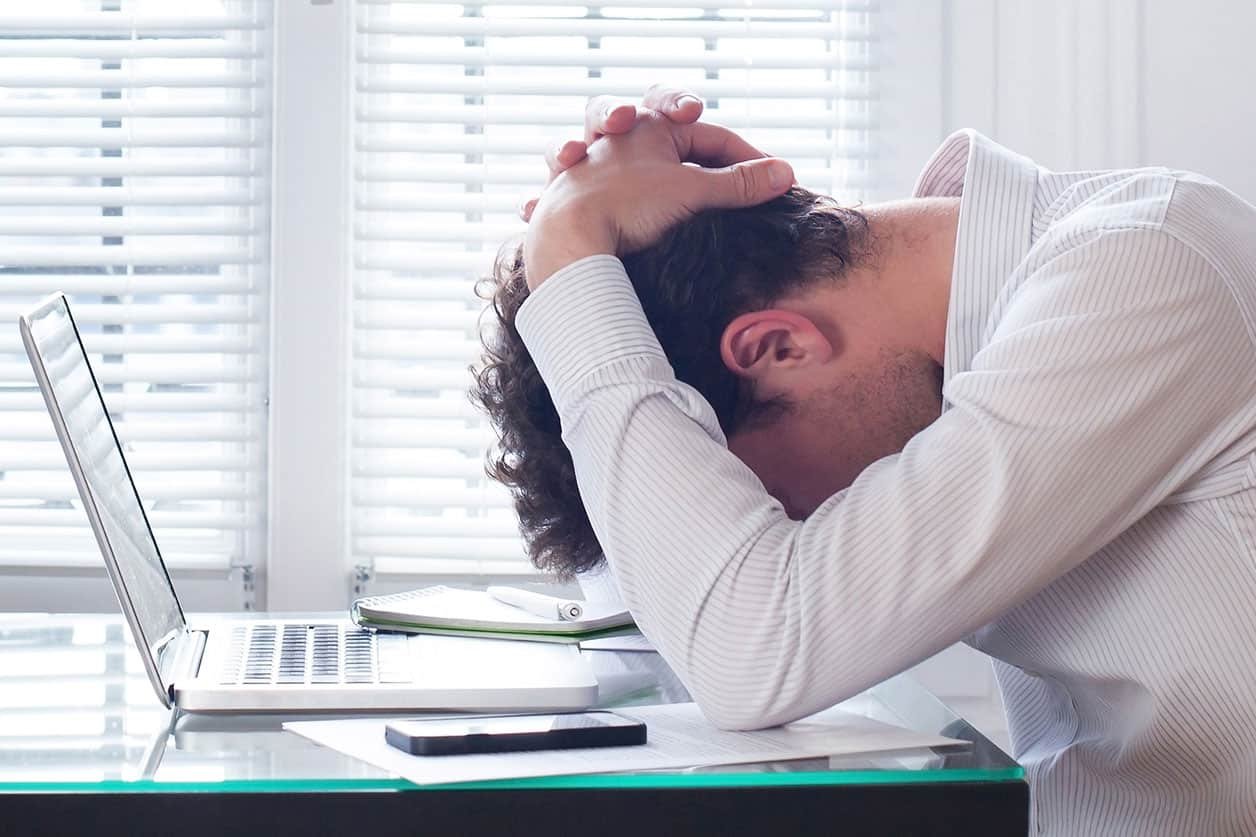
Many of us have been there before you are in a stressful situation and can feel your heart racing or it would be a sudden feeling of being overwhelmed. Anxiety is kicking in. It’s the body’s natural innate response to stress but these days, it may feel more prevalent or prolonged than usual.
Indeed, it’s estimated that one in every six adults will experience depression at some point in their lives. If youare living under intense stress days, and you are jeopardizing your overall well-being. Stress wreaks havoc not only on your emotional state, but also on your overall physical and mental health. It constricts your ability to think properly, function efficiently, and live effortlessly.
Techniques to manage stress involves various methods and strategies to manage not only your overall stress levels, but how you cope and react to things in your life that cause you stress.
It may feel like there’s nothing you can do about stress no way to avoid it and no way to de-stress completely when it hits. If you believe so The bills won’t stop coming, there will never be more hours in the day, and your work and family responsibilities will always be demanding. But the truth is, you have a lot more control over stress than you may think. In fact, the simple realization that you’re in control of your life is the foundation of stress management.
Can You Control Stress? Experts Say Yes
Stress management means taking control of your thoughts, emotions, time, environment, and the way you handle problems. And the reward is a no-sweat life-a life that allows time for work, relationships, leisure, and play-but at the same time gives you the resilience to cope with pressure and rise to any challenge.
There is no single way to handle stress, however, and everyone needs to find out through experimentation what works best for them. The following general techniques and strategies can be used in working on the reduction of your overall level of stress, avoiding stressors in your life, or dealing actively with an immediate stressor.
1. Barefoot walking
This simple ritual is done by walking bare-footed on soft grass for at least ten minutes every day. This proves highly beneficial in grounding and helps establish a connection with Mother Nature, which in itself has a highly therapeutic and anxiety-relieving aspect.
2. Box Breathing
Another powerful technique is box breathing. It is done for about five minutes daily. Studies have shown its effectiveness in reducing anxiety while promoting relaxation of the nervous system.
The method is simple:
* Breathe in for 4 counts
* Hold the breath for 4 counts
* Exhale for 4 counts
* Hold again for 4 counts
This will creates a rhythmic pattern, like breathing along the sides of a square inhale, hold, exhale, hold. such breathing practiced assiduously can induce a state of calmness of remarkable degree.
3. Nadi Shodhana Pranayama
Nadi Shodhana Pranayama is a boon for people who are suffering from mental tension or anxiety.
The practice has four steps:
1. Inhale through the left nostril
2. Exhale through the right nostril
3. Inhale through the right nostril
4. Exhale through the left nostril
This can also be practiced by using Nasikaagra Mudra. If it feels difficult to practice, it can also be done by closing the right nostril with the thumb and the left nostril with the index finger. This process helps regulate the nervous system and balances the mind by clearing mental clutter.
4. Journaling Your Thoughts
The reality is that most of us are constantly running, attempting to complete tasks and finish various assignments, while putting on hold things that truly need attention to our inner thoughts.
We always try to flee from our inner conversation, yet it is going to harm us sooner or later. Make it a habit, preferably before going to bed, to write your thoughts. Ask yourself Does this thought require my attention? Can I take any action to improve this situation? this habit will definitely aid you greatly in time.
5. Left Nostril Breathing (Chandra Anuloma Viloma Pranayama)
Left nostril breathing, also called as Chandra Anuloma Viloma Pranayama, consists of inhaling and exhaling from the left nostril. Such an activity has a soothing value it is cooling and is especially good to reduce anxiety or mental blocks.
6. Screen Off Time and Restorative Postures
At least an hour or so before going to bed, it is best that you avoid the screen or specifically social media. Instead, you may want to take the opportunity to just slow down.
You may stretch or stretch out in postures where: Shashankasana (Rabbit Pose) – sitting in Vajrasana and bending forward with the forehead touching the floor
Supta Baddha konasana: Shashankasana, for example, instills surrender. Many of our worries arise from our conviction that the world must revolve around us, that the world must stop for us to rest. Well, I tell you, everything does not need to revolve around your world.
Occasionally, what we really need is to stop, breathe, and rest. In yoga, we say that the definition of stress is speed. When we live our lives rushing to get everything done quickly, frustration develops, leading to disease when such frustration accumulates. The antidote is simple, just slow down.
7. Mindfullness
Another prominent practice is mindfulness. If you are drinking tea, just drink the tea. If you are driving, then just drive. Generally, anxiety stems from situations that we feel are beyond our control. Being mindful brings us back to reality, thereby ending internal conflicts.
8. Mantra Chanting
Chanting mantras and research-backed benefits: Chanting mantras, especially Aum (Om) chanting, helps to reduce rumination or thinking patterns. The calmness of mind, which can be achieved by even a few minutes of chanting, is provided. The solution to anxiety and mental overwhelm is found in deloading the mind, and this is achieved by reconnecting with oneself and nature. Remind yourself:”I am being.” We call ourselves human beings, but most of the time, we are human doings. Give yourself time to just be.
Anxiety and mental overload are not weaknesses. They are clues that the mind and nervous system need some tuning. Today’s busy life with nonstop demands for our attention and productivity requires us to slow down as an act of self-reflexivity. Basic routines such as mindfulness breathing, barefoot walking, writing journals, adopting relaxing yoga postures, and reciting mantras bring us back into the present.
The methods are not based on out-of-the-box simplicity or excellence. The beauty of these methods is their consistency. When you practice them regularly, you slowly begin to clear your head, soothe your nervous system, and become stronger emotionally. You are not trying to calm the mind. You are setting the stage for calmness to emerge.
By reconnecting with our breathing, our bodies, and nature, we move from doing to being. And as we do this, over time, we become clear, steady, and peaceful. We begin to heal as soon as we choose to pause, breathe, and truly be with ourselves.












Leave a comment