Epilepsy, a neurological disorder that causes recurrent seizures, affects more than 15 million people in India, making it one of the most widespread yet often misunderstood health conditions in the country. Despite its prevalence, awareness about epilepsy, its symptoms, and treatment options remains low, contributing to delayed diagnosis, social stigma, and unnecessary suffering. Medical experts are now urging families and communities to recognize the early signs of epilepsy and seek timely treatment to improve quality of life and prevent complications.
Understanding Epilepsy
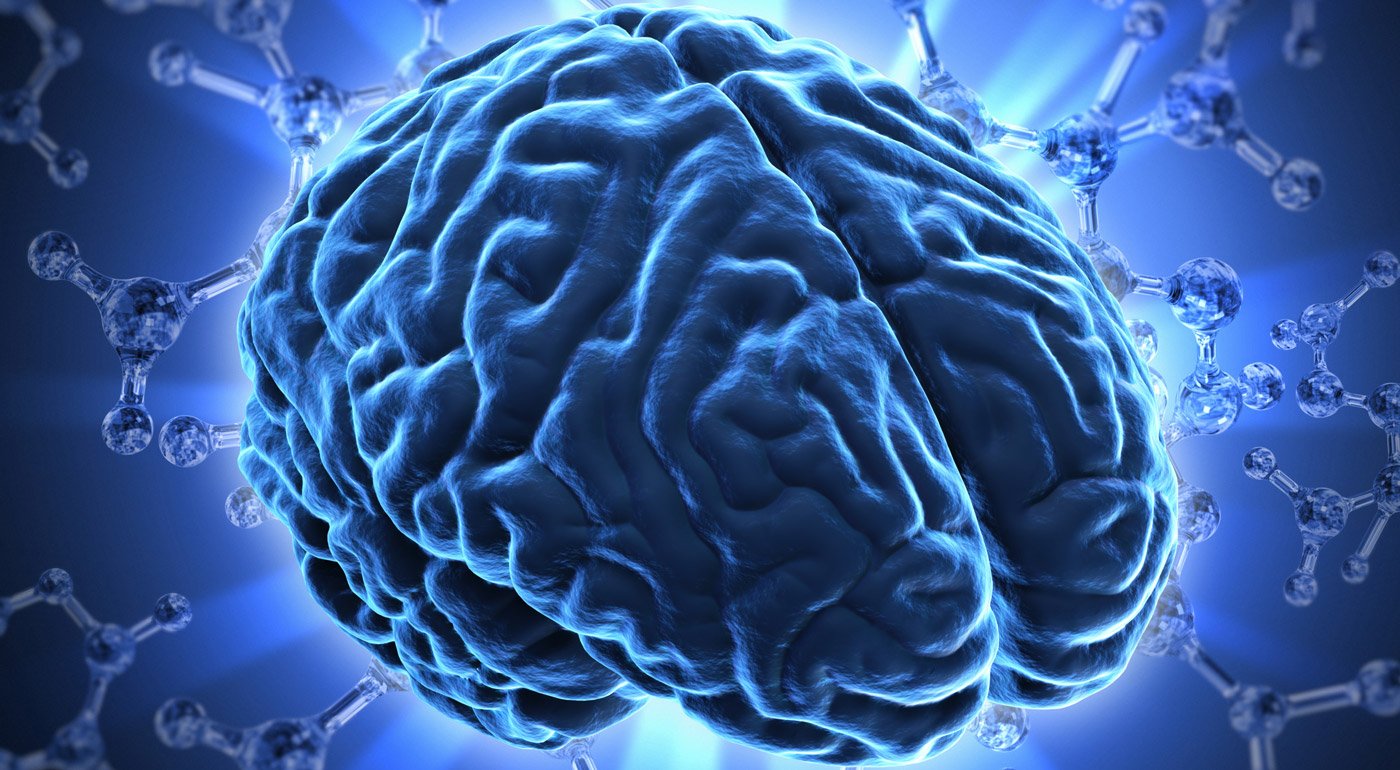
Epilepsy is a chronic brain disorder characterized by unpredictable seizures, which are sudden bursts of electrical activity in the brain. These seizures can manifest in various ways—from brief lapses in attention to full-body convulsions. The condition affects individuals of all ages, but a significant number of cases begin in childhood or during late adulthood.
Dr. Ramesh Kumar, a neurologist at a leading Delhi hospital, explains, “Epilepsy is not a single disease but a spectrum of disorders. The intensity, frequency, and type of seizures vary greatly among patients. Early detection is crucial because, with the right treatment, most people with epilepsy can lead normal, productive lives.”
Prevalence and Social Impact
India, home to over 1.4 billion people, has one of the highest numbers of epilepsy cases in the world. According to the Indian Epilepsy Association, more than 15 million individuals live with the condition, yet a large proportion remain untreated. Factors such as poverty, lack of access to healthcare, and deep-rooted social stigma contribute to this treatment gap.
Epilepsy is often surrounded by myths and misconceptions. In some rural areas, seizures are mistakenly attributed to supernatural causes, leading families to delay medical care or seek unscientific remedies. This not only increases the risk of injury during seizures but also exacerbates the psychological burden on patients, who may face discrimination, social isolation, and difficulties in education and employment.
Symptoms to Watch For
Recognizing the signs of epilepsy early is key to effective management. Common symptoms include:
- Sudden, uncontrolled jerking movements of the arms and legs
- Brief lapses of awareness or staring spells
- Unexplained confusion or disorientation
- Loss of consciousness or temporary paralysis in some cases
- Aura—a strange sensation, smell, or feeling that precedes a seizure
Parents, teachers, and caregivers are encouraged to observe children or adults who display these symptoms and consult a neurologist promptly. Early intervention can prevent complications, improve treatment outcomes, and enhance the patient’s overall quality of life.
Treatment Options
Epilepsy is largely manageable with modern medical interventions. Anti-epileptic drugs (AEDs) are the mainstay of treatment and can control seizures in the majority of patients. The choice of medication depends on the type of seizure, age, and underlying health conditions.
For patients whose seizures do not respond to medication, other options such as surgery, nerve stimulation therapies, or ketogenic diets may be considered. Dr. Kumar emphasizes, “The misconception that epilepsy is untreatable is outdated. With proper diagnosis, personalized treatment plans, and regular follow-ups, most patients can achieve seizure control and lead normal lives.”
Importance of Early Diagnosis
Early diagnosis is critical to prevent both physical and emotional complications. Frequent uncontrolled seizures can lead to injuries, cognitive decline, and, in rare cases, sudden unexpected death in epilepsy (SUDEP). Beyond physical health, epilepsy can take a heavy psychological toll, causing anxiety, depression, and social withdrawal.
Community education and awareness campaigns play a vital role in encouraging early detection. The Indian Epilepsy Association has initiated programs in schools, workplaces, and villages to educate people about the warning signs of epilepsy and the importance of timely medical care.
Breaking the Stigma
Stigma remains one of the biggest barriers to epilepsy care in India. Misconceptions about the disorder often lead to discrimination in schools, workplaces, and even within families. Some individuals with epilepsy are denied employment or are discouraged from pursuing higher education.
Experts stress that public awareness and social support are as important as medical treatment. Campaigns must focus on dispelling myths, promoting understanding, and ensuring that patients feel supported in all aspects of life.
Government and Healthcare Initiatives
The Indian government has recognized the need to improve epilepsy care and has included epilepsy management in national health programs. Efforts include:
- Expanding access to diagnostic facilities in rural and semi-urban areas
- Training healthcare professionals to identify and manage epilepsy effectively
- Providing affordable anti-epileptic medications under government schemes
- Raising public awareness about epilepsy and reducing stigma
Despite these initiatives, gaps remain in reaching underserved populations. Experts call for stronger partnerships between government bodies, NGOs, and the private sector to ensure that epilepsy care is accessible to all.
Living with Epilepsy
With the right treatment and support, people with epilepsy can lead fulfilling lives. Lifestyle measures such as regular sleep, stress management, avoiding alcohol and drugs, and adhering to medication schedules can significantly reduce seizure frequency.
Families and caregivers are encouraged to learn seizure first aid, which includes:
- Keeping the person safe during a seizure (removing dangerous objects nearby)
- Timing the seizure and observing its characteristics
- Not restraining movements
- Placing the person on their side if they lose consciousness
These simple steps can prevent injuries and provide reassurance during a seizure episode.
As awareness grows and healthcare access improves, the outlook for people with epilepsy in India is becoming more hopeful. Early diagnosis, timely treatment, and supportive social environments can transform the lives of millions living with this condition.
Dr. Kumar concludes, “Epilepsy is not a life sentence. It is a medical condition that deserves understanding, compassion, and proper treatment. Our collective responsibility is to ensure that patients are diagnosed early, treated effectively, and never made to feel alone or ashamed of their condition.”
By increasing awareness, breaking social barriers, and strengthening healthcare infrastructure, India can ensure that the silent struggle of millions with epilepsy does not go unnoticed. Empowering patients and families with knowledge and access to care can help turn what is often a misunderstood disorder into a manageable condition, allowing those affected to thrive in all aspects of life.