

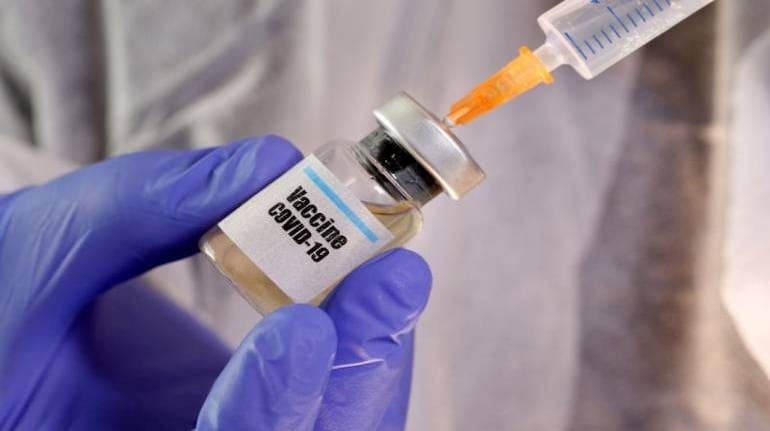
Russian authorities have given regulatory approval to a second coronavirus vaccine after early-stage studies, two months after a similar move prompted widespread criticism from scientists both at home and abroad.
During a televised meeting with government officials on Wednesday, Russian President Vladimir Putin made the announcement.
“We now need to increase the production of the first vaccine and the second vaccine,” Putin said, adding that the priority was to supply the Russian market with the vaccines.
The second Russian vaccine, EpiVacCorona, was developed by the Vector Institute in Siberia and tested among 100 volunteers in early-stage, placebo-controlled human trials, which lasted more than two months and was completed two weeks ago. The volunteers were between 18 and 60 years old.
Novosibirsk-based #Vektor Centre has registered a second coronavirus vaccine, #EpiVacCorona. Unlike with the first Russian vaccine, Sputnik V, which is an adenovirus vector-based vaccine, the new one is a promising synthetic vaccine based on peptide.https://t.co/lkekKNUxsO pic.twitter.com/39Md8jLsP2
— Russia in India 🇷🇺 (@RusEmbIndia) October 14, 2020
In a press conference scientists developing the vaccine said that it produced enough antibodies to protect the person who had it from the virus and that the immunity it creates could last for up to six months.
An advanced study involving tens of thousands of volunteers that is necessary to establish the safety and effectiveness of the vaccine was scheduled to start in November or December.
Vaccination of risk groups
Russian Deputy Prime Minister Tatyana Golikova said that she tested EpiVacCorona vaccine herself and experienced no side effects, said a media report.
“The Vector center is also initiating post-registration clinical trials in the various regions of Russia that would include 40,000 volunteers,” she was quoted as saying.
Russia’s first vaccine, Sputnik V, was developed by the Moscow-based Gamaleya Institute and approved by the government on August 11, after early trials among 76 volunteers were completed.
As Russia boasted about being the first in the world to approve a vaccine, experts said that in line with established scientific protocol, much broader studies among tens of thousands of people were needed to ensure the safety and effectiveness of the vaccine before it is given widely.
Russian health authorities announced advanced trials of Sputnik V among 40,000 volunteers two weeks after it received government approval.
Officials also said that vaccination of risk groups, such as doctors and teachers, will be carried out in parallel to the studies.
Golikova said Wednesday that 13,000 volunteers have so far enrolled in the studies of the Sputnik V vaccine.
The international criticism didn’t stop Russia from promoting Sputnik V abroad. Kirill Dmitriev, head of the Russian Direct Investment Fund that bankrolled the effort, said last month that the fund already has agreements with Mexico, India, and Brazil, which ordered a total of 200 million doses, and dozens of other countries are interested in getting the vaccine.












Leave a comment