

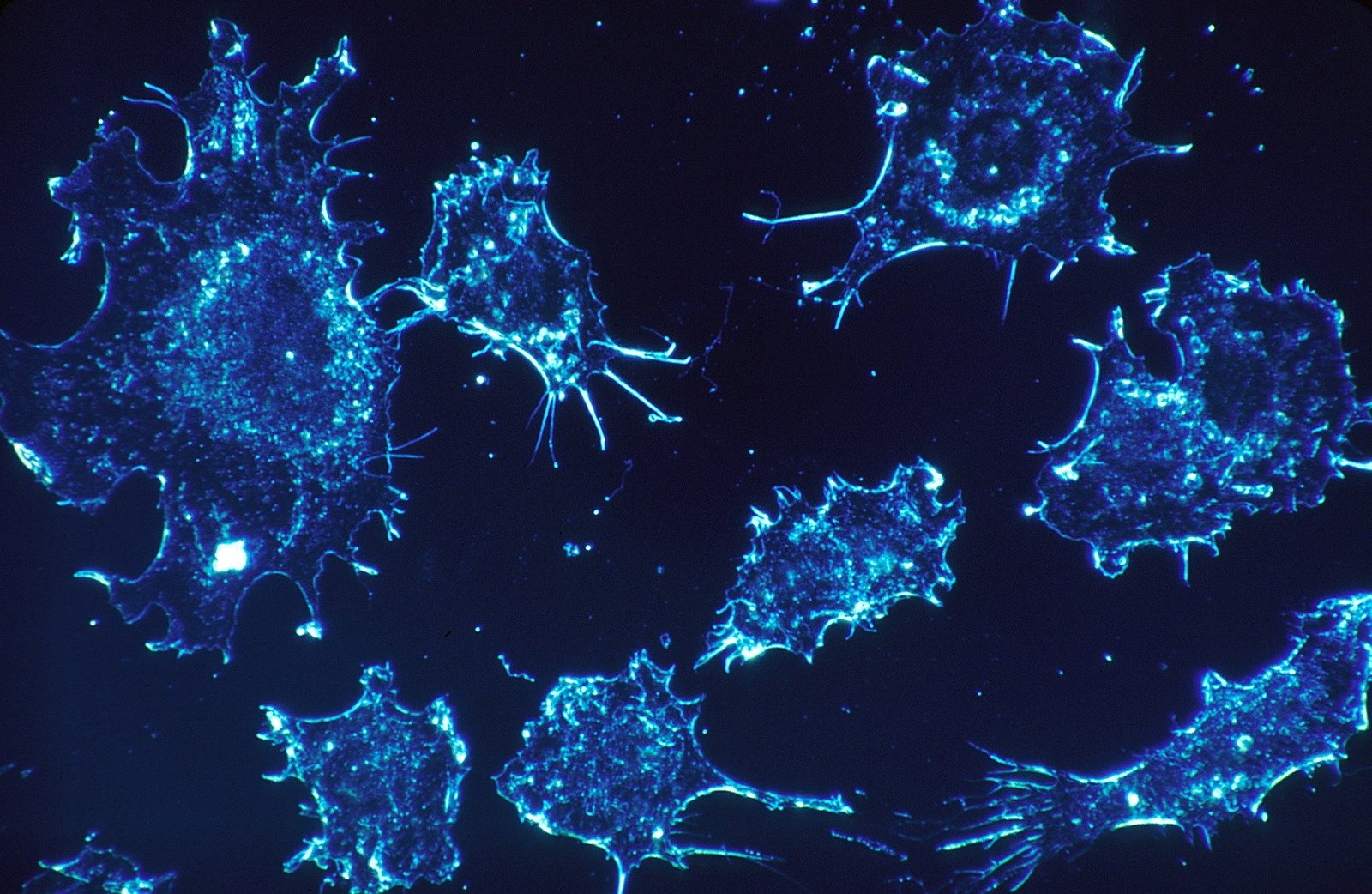
A pandemic causes immense misery due to sickness, anxiety, stress, and death, with inevitable financial and social uncertainty. The solution to such a situation needs to take care of all the sufferings associated with it. Cancer patients are also more vulnerable due to the immunological and psychosocial effects and continuing care of malignancies.
Here comes the main function of supportive treatment in the form of palliation. Even at the time of the pandemic, palliation is an ethical duty. In the background of the current pandemic of COVID-19, the delivery and consistency of palliative care for cancer patients within resource-constrained health systems is a problem and a challenge.
Challenges For Cancer Patients
Cancer is a time-sensitive disease and an elevated risk of COVID-19 infection tends to be present in patients. The primary concern and problems are connected to patient safety. The dilemma is whether cancer patients should visit the hospital to continue their care, since they may be exposed to COVID infection from home. Cancer treatment can also impair their immunity and place them at higher risk of infection.
The problem persists because the evidence available is small. According to the initial results, the outcomes are lower than those of individuals without cancer. Older age groups and patients with systemic conditions are vulnerable to more severe COVID-19 effects and poor outcomes.
The lack of trained palliative care doctors and the availability of morphine and other important drugs at home are other major problems that cause cancer patients to attend hospitals and expose themselves to infections. Institutional problems such as the emphasis on care and diversion of facilities to COVID patients, neglect of cancer patients resulting in a divergence from treatment guidelines and leading to terror, anxiety and suffering.
Supportive Cancer Care During Covid-19
Supportive treatment focuses on improving the quality of life (QOL) of patients and their families. From the day of diagnosis, a cancer patient needs further help in the form of palliative care. The need for treatment is growing at the time of the pandemic, when there is immense confusion, tension and dilemma. The current situation has put an end to the smooth delivery of treatment to cancer patients. There is also a need for a comprehensive treatment plan focused on a holistic approach to care.
The major areas defined from the evidence available globally for directing health care staff can be summarized as the TRI-SPEED method for cancer patients. It helps to provide holistic treatment to tackle the present situation of the pandemic
TRI-SPEED approach
- Triage- Priority-based cancer therapies in the context of COVID pandemic is the need of the hour. It can be done by Triaging patients based on symptom burden which helps in
prioritizing care and leads to proper utilization of resources. Taking care of limited resources, the decision to either continue or stop cancer therapy should be made
before going for aggressive treatments. Irrespective of the condition of cancer patients the palliative care services should continue till the end in the form of telecommunication,
follow up, home-based care and bereavement if possible. - Symptom Control- Patients with advanced cancers present with both physical and psychosocial symptoms. Acknowledgement and adherence to key palliative care principles are needed for adequate symptom management and care. There is a need for careful attention to minimizing suffering including end of life care. Therefore, suspected patients should be screened for COVID 19 and managed as per the existing guidelines. Use of telecommunication helps in managing symptoms at home and allows a hospital free follow up.
- Psychosocial Support- This Pandemic has also brought a surge of fear, uncertainty, anxiety and depression. The magnitude is even more in cancer patients, survivors and their family members. The patients who are not able to continue their cancer therapy due to restricted movements in lockdown are filled with guilt and depressive thoughts. The emerged psychological crisis needs evidence-based management, training of ground-level health care workers in communication skills, use of telecommunication and home-based palliative care.
- Ethical Based Care Discussion- In view of limited resource and shifting of focusing more towards COVID patients, the decision making process in cancer patients for and against an intervention creates a major ethical challenge. The patients who are denied of further
medical intervention shouldn’t feel neglected. This is possible with sensitive and compassionate discussion with patient and family members. - End of Life Care- In addition to care and symptom management, communication and compassion matters in patients with advanced cancer. Use of technology like telecommunication, recorded messages, music and prayers can be advocated. The impact of the COVID-19 pandemic on end-of-life care must be addressed as it may not be possible at the family’s preferred place. There may be limitations on the presence of family members at the funeral process due to government policies. Realistic hope and true communication regarding the prognosis is the key. This leads to confidence and trust among the caregivers and doctors.
(This article has been co-authored by Dr Abhishek Shankar along with Drs Sachidanand Jee Bharati, Wasimul Hoda, Abhinav Kumar, Sanjay Kumar and Chandrashekhar Choudhari)














Leave a comment