

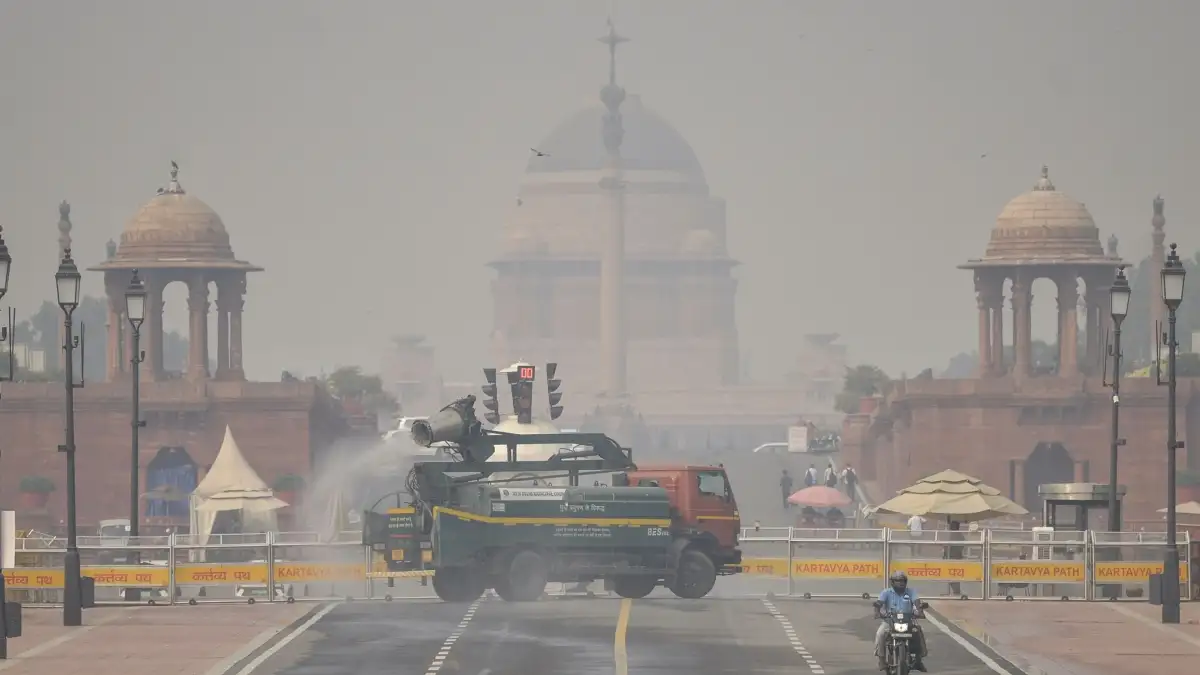
New Delhi, 30 October, 2025: As air quality levels continue to plummet across several Indian cities this season, health experts are raising serious concerns about the increasing impact of toxic air on public health. The situation has become particularly worrying for vulnerable populations — including children, the elderly, and pregnant women — who are more prone to developing severe and long-term health complications.
According to Dr. Gyanendra Agrawal, Senior Director, Respiratory & Critical Care, rising pollution levels have emerged as one of the biggest public health threats, exacerbating respiratory and cardiovascular illnesses and endangering maternal and child health.
The Growing Pollution Crisis
Each winter, cities in North India, including Delhi-NCR, grapple with a sharp deterioration in air quality due to a combination of vehicular emissions, industrial pollutants, stubble burning, and weather conditions that trap pollutants close to the ground. The Air Quality Index (AQI) in several regions frequently crosses the 400–500 mark — levels considered “severe” and hazardous to health.
Prolonged exposure to such toxic air doesn’t just irritate the eyes and throat; it penetrates deep into the lungs, causing chronic respiratory diseases, asthma flare-ups, and reduced lung function. Recent medical studies also indicate that air pollution contributes to mental fatigue, weakened immunity, and even impaired cognitive development in children.
Dr. Agrawal emphasised that while everyone is affected by poor air quality, children, senior citizens, and expectant mothers remain the most at risk due to their physiological vulnerabilities.
Why Children Are the Most Affected
“Children are at risk because of their developing lungs, higher breathing rates, and active outdoor lifestyles, which expose them to respiratory illnesses, asthma, and even mental impairments,” explained Dr. Agrawal.
Children inhale more air per kilogram of body weight than adults, meaning they absorb higher concentrations of pollutants. Their airways are smaller and still developing, making them particularly vulnerable to particulate matter (PM2.5 and PM10) and other airborne toxins.
The impact of air pollution on children is not limited to the respiratory system. Studies have shown that long-term exposure can also affect cognitive development, leading to problems such as attention deficits, reduced memory, and slower learning abilities. Moreover, frequent exposure during early childhood increases the risk of developing chronic lung conditions later in life.
Parents are advised to closely monitor their children for symptoms such as persistent cough, wheezing, breathlessness, or fatigue, especially during periods of high pollution. Indoor air purifiers and restricting outdoor activities during peak pollution hours can significantly reduce exposure.
The Elderly Face Heightened Health Risks
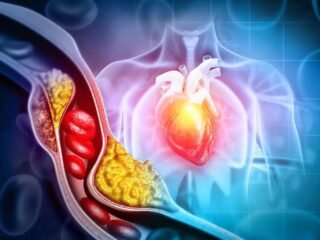
For older adults, poor air quality can aggravate existing medical conditions and pose life-threatening risks. “The elderly are at risk because of underlying diseases such as hypertension, diabetes, and cardiovascular illnesses, which can be exacerbated by air pollution, causing cardiac complications,” said Dr. Agrawal.
Fine particulate matter and toxic gases can enter the bloodstream through the lungs, causing inflammation and oxidative stress. This can worsen conditions such as chronic obstructive pulmonary disease (COPD), asthma, heart failure, and stroke.
Elderly individuals are also more susceptible to lung infections due to weakened immunity. Doctors recommend that older adults limit outdoor exposure, particularly during early morning and late evening hours when pollution levels peak, and always use protective masks when stepping outside.
Pollution’s Impact on Pregnancy and Foetal Health
Pregnant women represent another vulnerable group significantly affected by polluted air. “Pregnant women are vulnerable as air pollution can affect the development of the foetus, resulting in preterm delivery or low birth weight,” cautioned Dr. Agrawal.
Research has shown that exposure to high levels of air pollution during pregnancy can lead to placental inflammation and restricted oxygen supply to the foetus. This can cause complications such as premature birth, low birth weight, developmental delays, and an increased risk of childhood respiratory issues.
Expectant mothers are advised to stay indoors when AQI levels are poor, use air purifiers at home, and follow a nutrient-rich diet that includes antioxidants to reduce oxidative stress caused by pollution.
Preventive Measures to Protect Vulnerable Populations
To mitigate the health impact of air pollution, Dr. Agrawal recommended a series of practical measures that individuals and communities can implement immediately:
- Monitor Air Quality Index (AQI): Check AQI levels regularly through reliable mobile apps or government websites and plan outdoor activities accordingly. Avoid outdoor exercise or prolonged exposure during “very poor” or “severe” AQI days.
- Use N95 Masks: When stepping out in polluted environments, wear N95 or equivalent masks that filter out fine particulate matter. Surgical or cloth masks do not provide adequate protection.
- Stay Indoors During High Pollution Periods: Restrict outdoor movement, especially for children, the elderly, and pregnant women when air quality deteriorates.
- Air Purifiers: Use high-efficiency particulate air (HEPA) purifiers indoors, especially in bedrooms and living areas. Keep windows closed during peak pollution hours.
- Healthy Diet: Consume antioxidant-rich foods like fresh fruits, vegetables, and nuts. Vitamins C and E help combat free radical damage caused by pollutants.
- Hydration: Drink adequate water throughout the day to help flush out toxins from the body.
- Indoor Activities: Encourage indoor games and exercises during periods of high pollution to maintain physical activity without risking exposure.
- Avoid Waste Burning: Discourage household waste burning and firecracker use, both of which release harmful toxins and particulate matter.
- Plant Trees and Greenery: Promote the planting of trees and maintaining green spaces, which act as natural air filters.
- Use Public Transport: Carpooling, cycling, and public transportation reduce vehicle emissions and improve overall air quality.
- Community Participation: Involve local residents in awareness and pollution control initiatives, such as car-free days and cracker-free celebrations.
- Nutritional Support: Include foods rich in vitamins C, E, and Omega-3 fatty acids to boost immunity and reduce inflammation.
- Medical Awareness: Seek medical attention if symptoms like persistent coughing, chest tightness, or shortness of breath occur. Early diagnosis of pollution-induced illnesses can prevent complications.
Strengthening Public Awareness and Policy
Experts emphasize that while individual precautions are crucial, systemic change is equally important to combat rising pollution levels. Policies promoting clean energy, stricter vehicular emission norms, and urban greening programs are necessary to achieve lasting improvement in air quality.
Awareness campaigns can play a vital role in encouraging citizens to adopt cleaner lifestyles and support government efforts to control pollution sources. Building community resilience through education and local initiatives is essential to protect future generations.
Air pollution is no longer just an environmental issue — it is a major public health crisis affecting millions every day. The most vulnerable groups — children, the elderly, and pregnant women — bear the heaviest burden, both in immediate health impacts and long-term complications.
By taking preventive measures and promoting collective responsibility, society can minimize exposure risks and reduce pollution-related diseases. As Dr. Agrawal highlighted, “By implementing these steps, we can immensely lower the impact of pollution on the vulnerable strata of our population.”
Protecting public health from toxic air requires a multi-pronged approach that combines personal vigilance, community engagement, and policy-level intervention. The time to act is now — before polluted skies take an irreversible toll on the nation’s most vulnerable citizens.














Leave a comment