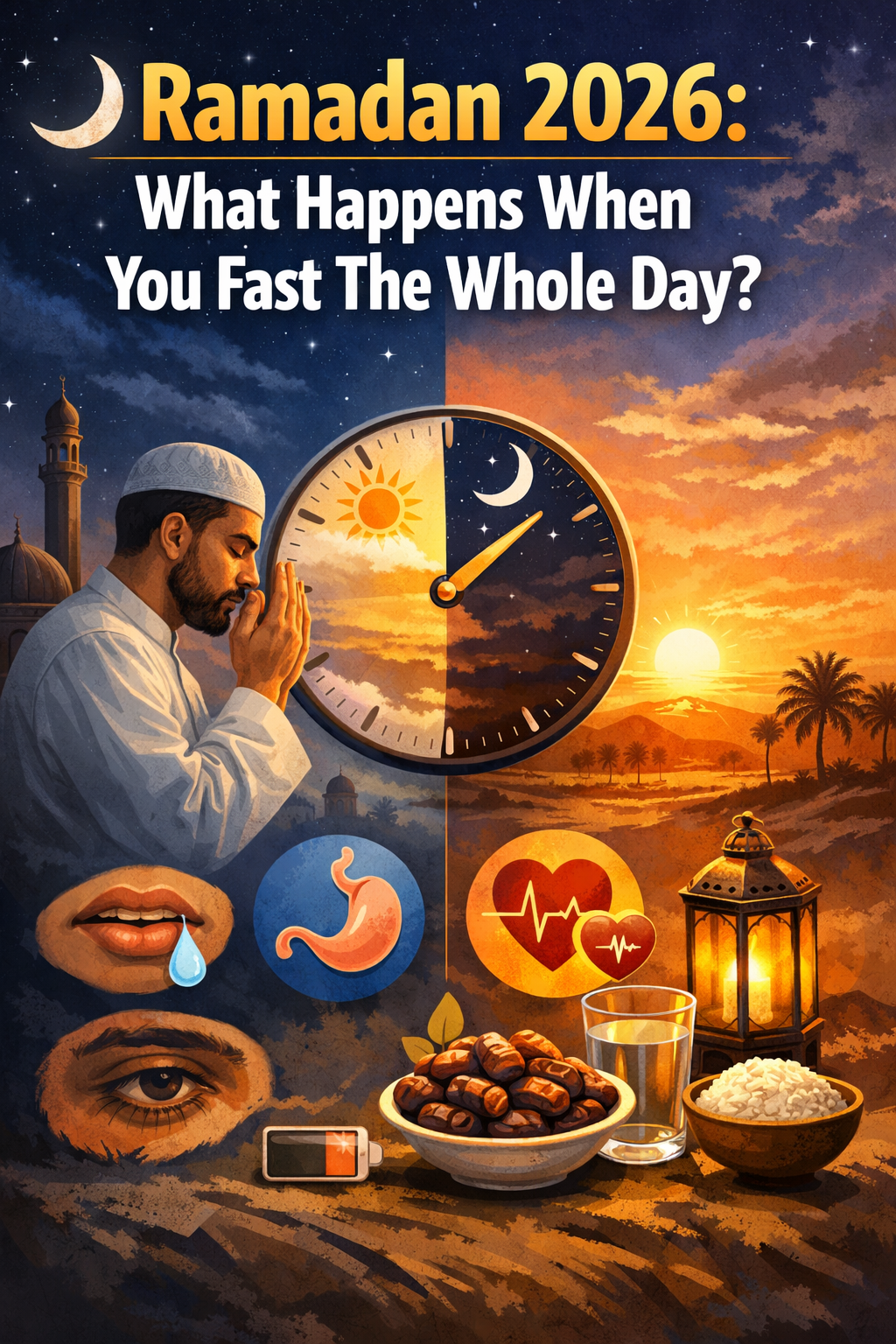
Ramadan 2026 Fasting: As Muslims across the world celebrates the holy month called Ramadan, or Ramzaan, let’s dissect one of the most important question that keeps popping in the minds of the all the ladies who fast the whole month – from sunrise to sunset – Is fasting safe? What happens in the body when you fast?
This article explains what happens to the body during fasting and what a person can do to make fasting safer.

What happens during fasting?
Whether a person is fasting or not, the body still needs energy. Its primary energy source is a sugar called glucose, which usually comes from carbohydrates, including:
- Grains
- Dairy products
- Fruits
- Certain vegetables
- Beans
When glucose in the blood sufficiently meets the body’s energy demands, the liver and muscles will store some of the extra glucose in the form of glycogen and release it into the bloodstream whenever the body needs it.
Speaking to TheHealthWireMedia.com, Dr Nivedita Majumdar, Nutritionist, explains – Continuous fasting for 24 hours is a form of intermittent fasting. During the 24-hour fasting period, you can only drink water. After a day, you can return to your normal diet until the next fasting period. In addition to losing weight, 24-hour fasting also has a positive effect on your body’s metabolism, improving cardiovascular health, and more.
“You should use this method 1-2 times a week to ensure safety for your health.This method may seem easier than cutting down on daily calorie intake. However, you will likely experience significant hunger on fasting days. Moreover, complete fasting can cause serious complications in people with poor health conditions. Therefore, if you intend to practice this complete fasting method for a day, you should consult your doctor. Your doctor will advise you on the benefits and risks that this method may have on your body.”
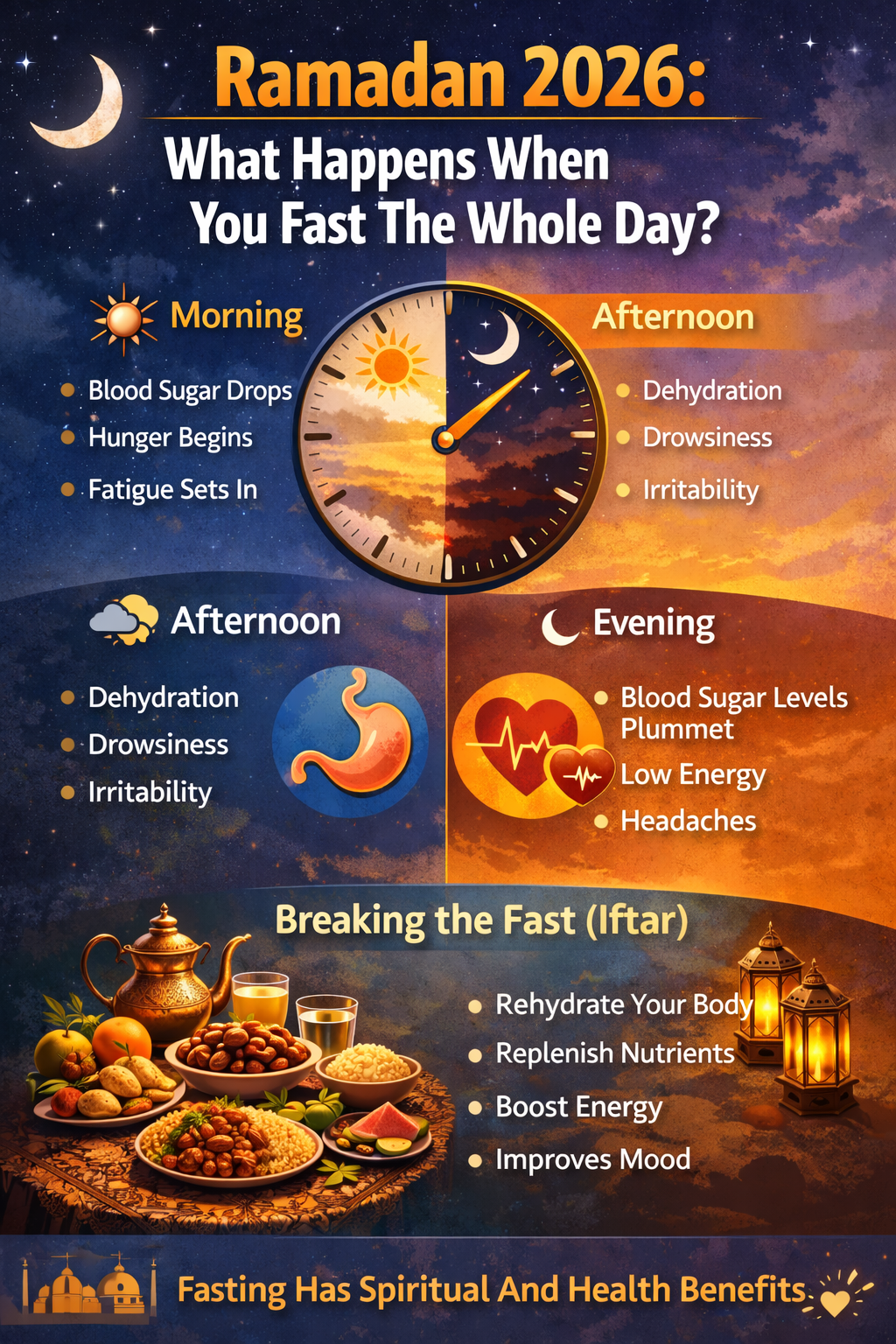
Health Benefits of Fasting For The Whole Day
Researchers have studied IF for decades, testing animals and humans to gather evidence of health benefits. More research is needed, especially to determine the advantages of practicing IF long-term. But experts do know that fasting improves metabolism and lowers blood sugar, benefitting a wide range of health issues.
Evidence shows that when you consistently practice intermittent fasting, it may:
- Banish brain fog, by forcing you to get energy from stored fat (a process called ketosis) instead of sugar
- Decrease your risk for diabetes, by controlling blood sugar and reducing your body’s resistance to insulin, the hormone that helps control the amount of sugar in the blood
- Help you lose weight and visceral fat, the harmful fat around the abdomen that causes disease
- Improve sleep, by regulating your circadian rhythm (internal clock) and moving digestion earlier in the day
- Protect your heart, by reducing blood pressure and improving cholesterol levels
- Reduce inflammation, which can improve conditions such as arthritis, multiple sclerosis and asthma
Who Should Avoid Fasting?
Some people should avoid fasting unless under the close supervision of a physician. Those people include:
Children and teens under 18
People with advanced diabetes, or on medication for diabetes
People with a history of eating disorders, such as anorexia or bulimia
Pregnant or breastfeeding women.
Disclaimer: Make sure to consult a doctor or a nutritionist before planning for any changes to your daily routine.