

The Ministry of Health and Family Welfare (MoHFW) has issued guidelines requiring all pregnant women in areas affected by Zika virus to undergo mandatory testing. However, in Pune, the Municipal Corporation (PMC) has only tested 5% of expecting mothers in these zones. Due to this alarming shortfall, the public health department has intervened, urging PMC to test all expecting mothers living near Zika-affected areas.
Dr. Radhakishan Pawar, the Joint Director of Health Services overseeing vector-borne diseases in Maharashtra, has directed PMC to ensure that all pregnant women within five kilometers of Zika-affected areas undergo testing. Similar instructions have been sent to health authorities in Ahmednagar and Kolhapur, which have each reported one Zika case previously.
Dr. Pawar’s letter, stated, “During scrutiny of your Zika virus report, it was found that a negligible number of pregnant women have been tested for the virus infection. The virus infection poses a threat to expecting mothers, and pregnant women in Zika-affected areas should be tested. The virus can cause adverse pregnancy outcomes that include congenital Zika syndrome, Guillain-Barré syndrome, and microcephaly. It is important to monitor the health of the expecting mother as well as provide timely treatment.”
PMC has identified seven ward office areas with active Zika virus transmission, including Karve Nagar-Warje, Hadapsar, Kothrud-Bavdhan, and others. Since June 20, a total of 18 Zika cases have been reported, with 10 cases involving pregnant women. Despite having 2,408 registered expecting mothers in Zika-affected areas, only 129 (5%) have been tested so far.
Dr. Pawar emphasized, “The PMC can get all expecting mothers tested to avoid delay in starting the treatment. If they test negative, the health officials should monitor the health of these pregnant women, their babies, and keep following up as per the central government guidelines. Irrespective of whether the pregnant woman is residing in an area of ongoing Zika transmission or not, she should take all possible measures to prevent mosquito bites. All pregnant women should avoid non-essential travel to areas in active Zika virus-affected areas.”
Dr. Kalpana Baliwant, health officer of PMC, said their team is working on the ground, taking samples from expecting mothers, and sending them to the National Institute of Virology (NIV) for testing. “Most of the samples sent by the PMC to NIV for testing are those of pregnant women. The problem is that expecting mothers are reluctant to give their blood samples for testing as they do not have any symptoms. We are creating awareness among the public and asking doctors to counsel pregnant women to get themselves tested for Zika virus.”
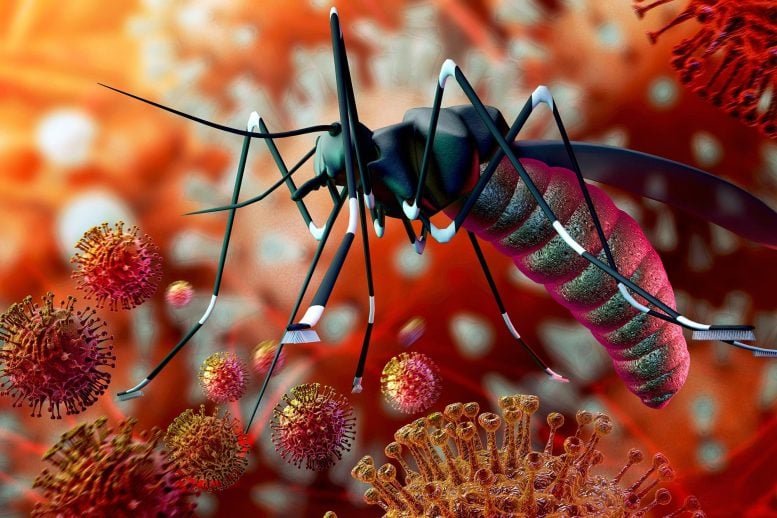
According to MoHFW, Zika virus can spread through mosquito bites, from mother to fetus, and through sexual transmission. All pregnant women residing in active Zika transmission areas must undergo testing during their first antenatal visit or upon showing Zika symptoms. If the initial test is negative, retesting is recommended at 28 weeks of pregnancy.
Furthermore, MoHFW guidelines advocate two ultrasound examinations for pregnant women in Zika-affected areas: the first between 18-20 weeks and the second between 28-30 weeks of gestation. Additional ultrasounds may be needed based on medical advice.
The National Institute of Virology (NIV) is responsible for testing samples sent by PMC, primarily focusing on samples from pregnant women. Despite the logistical challenges, PMC continues to collaborate with healthcare providers and community stakeholders to ensure comprehensive testing and follow-up care for expecting mothers.
While Pune faces challenges in testing expecting mothers for Zika virus, concerted efforts by PMC and health authorities are underway to ramp up testing and ensure the safety of pregnant women and their babies. Public awareness campaigns and medical counseling play pivotal roles in encouraging expecting mothers to participate in testing initiatives. By adhering to MoHFW guidelines and prioritizing early detection, Pune aims to mitigate the risks posed by Zika virus and safeguard maternal and child health in affected areas.














Leave a comment