


New Delhi 21 October 2025: Air pollution is when harmful substances fill the air, negatively impacting both human health and the environment. You might encounter pollutants such as particulate matter, nitrogen oxides, sulfur dioxide, carbon monoxide, and volatile organic compounds. These harmful elements can stem from a variety of sources: cars, factories, and even nature itself, like during wildfires. Grasping what air pollution is can help us create better strategies to protect our lungs.
Why is Air Pollution a Concern for Lung Health?
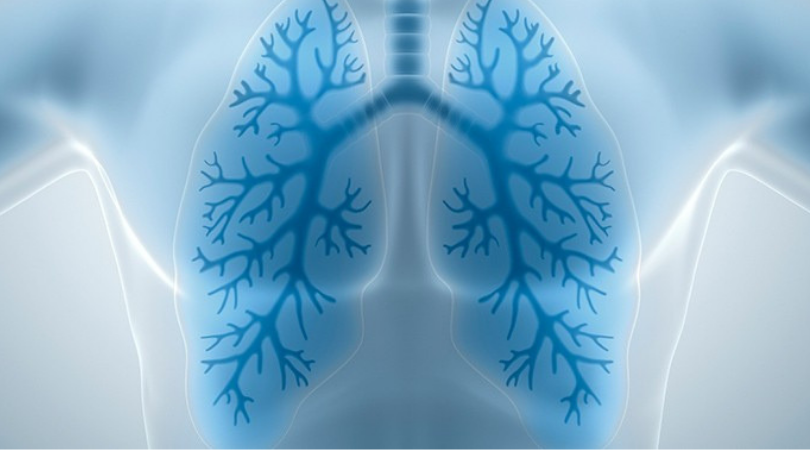
Air pollution carries severe risks to lung health, contributing to respiratory illnesses like asthma, chronic obstructive pulmonary disease (COPD), and even lung cancer. The World Health Organization emphasizes this concern, reporting that air pollution is responsible for around 7 million premature deaths every year. Fine particulate matter can infiltrate the lungs, leading to inflammation and worsening pre-existing health issues. Acknowledge the effects of air pollution on lung health so we can take steps to protect our respiratory systems.
The Importance of Protecting Your Lungs
Why Should You Care About Your Lung Health?
Your lungs are fundamental to your overall health, playing a key role in supplying oxygen to your body while getting rid of carbon dioxide. If your lungs are not healthy, this can lead to decreased physical performance, chronic illnesses, and a lower quality of life. Protecting your lungs from air pollution goes beyond just avoiding disease; it’s about embracing a healthier lifestyle. The better your lung health, the more vibrant your body can be, letting you enjoy daily activities without limitations.
How Can You Protect Your Lungs?
To shield your lungs from air pollution, you should adopt a mix of lifestyle alterations and preventative actions. Here’s how:
Practical Tips for Better Respiratory Health
Stay Informed About Air Quality
A great first step in lung protection is to keep an eye on the air quality in your neighborhood. Many cities offer real-time air quality indices (AQI) to inform residents about pollutant levels. By monitoring the AQI, you can adjust your outdoor plans and reduce your exposure to harmful air.
Limit Outdoor Activities on Poor Air Quality Days
On days when pollution levels soar, it’s wise to limit outdoor activities, particularly vigorous exercises. If you need to step outside, choose to do so during times when pollution levels are likely lower, usually in the early morning or late evening. Opting for light indoor activities can keep you from inhaling polluted air.
Use Air Purifiers Indoors
Consider investing in air purifiers for your home to enhance indoor air quality significantly. These devices help filter out harmful particles and allergens, creating a safer breathing environment. Look for purifiers equipped with HEPA filters, as they efficiently capture fine particulate matter and other toxins.
Maintain Good Indoor Ventilation
Good ventilation is key to lowering indoor air pollution. Open windows to let fresh air in and use exhaust fans in kitchens and bathrooms to decrease moisture and pollutants. Regularly replacing air filters in your heating and cooling systems can also promote better indoor air quality.
Avoid Smoking and Secondhand Smoke
Smoking is a leading cause of lung disease. If you’re a smoker, consider quitting, and do your best to avoid secondhand smoke, which also poses risks to your lungs. Fostering a smoke-free atmosphere in your home and community can greatly enhance lung health.
Why You Should Take Action
Caring for your lungs against air pollution is essential for your overall health and well-being. By being aware of the risks linked with air pollution and applying practical tips, you can significantly lessen your exposure to harmful substances. Keep in mind, your lungs are crucial organs that deserve careful attention.
How to Get Started
Begin by tracking air quality, making informed choices about when to go outside, and enhancing indoor air quality. By taking these steps, you’re contributing to better respiratory health for yourself and those you care about. Your lungs will be grateful for your efforts!











Leave a comment