


New Delhi, 09 November 2024: With the rise of fitness and gym culture, concerns about the well-being of individuals engaging in strenuous activities have become more prominent. It’s crucial for gym-goers to consider heart screenings. This necessity arises from the alarming increase in sudden cardiac events among those who seem healthy. By recognizing risks, being aware of warning signs, and taking preventive steps, lives can be saved. This article dives into why heart screenings are vital, the reasons they are needed, and how to implement them effectively.
The Rising Incidence of Sudden Cardiac Events
Sudden cardiac issues like heart attacks and cardiac arrests are occurring more frequently, especially among young adults and athletes. Recent studies reveal that thousands face these life-threatening situations each year, often while working out or shortly after. Surprisingly, this doesn’t just affect those with known heart issues; many who lead active lifestyles and seem fit also find themselves at risk. This disturbing trend underscores the urgent need for heart screenings among gym enthusiasts.
Sudden Cardiac Arrest: Who is at Risk?
While anyone can experience a sudden cardiac event, several factors heighten the risk. Things like a family history of heart disease, high blood pressure, obesity, and elevated cholesterol can all play a role. Additionally, engaging in intense workouts without prior evaluations can place unnecessary strain on the heart. For gym-goers, particularly those who regularly challenge their limits, it’s vital to grasp these risks to safeguard their heart health.
The Role of Heart Screenings
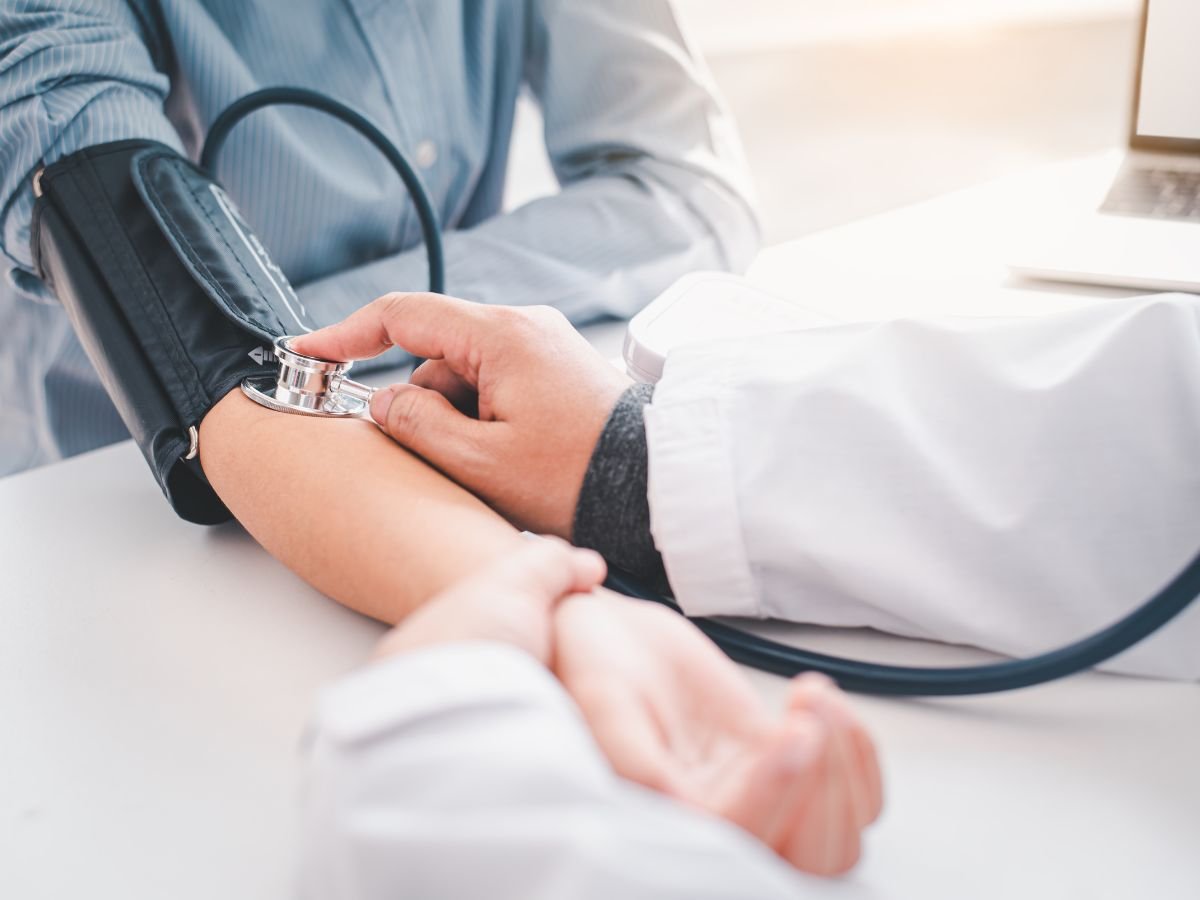
Heart screenings are a proactive way to spot potential heart issues before they worsen. Typically, these exams include a detailed review of your medical history, a physical examination, and diagnostic tests like electrocardiograms (ECGs) and echocardiograms. By uncovering hidden conditions, healthcare professionals can suggest lifestyle adjustments or treatments that could greatly lessen the risk of sudden cardiac events.
The Importance of Regular Check-ups
For anyone who frequents the gym, regular heart screenings should be a crucial part of their health routine. The American Heart Association advises that adults get cardiovascular screenings every four to six years, more often if they face additional risks. These check-ups not only facilitate early detection but also foster a culture of awareness about heart health within the fitness community.
Signs and Symptoms to Watch For
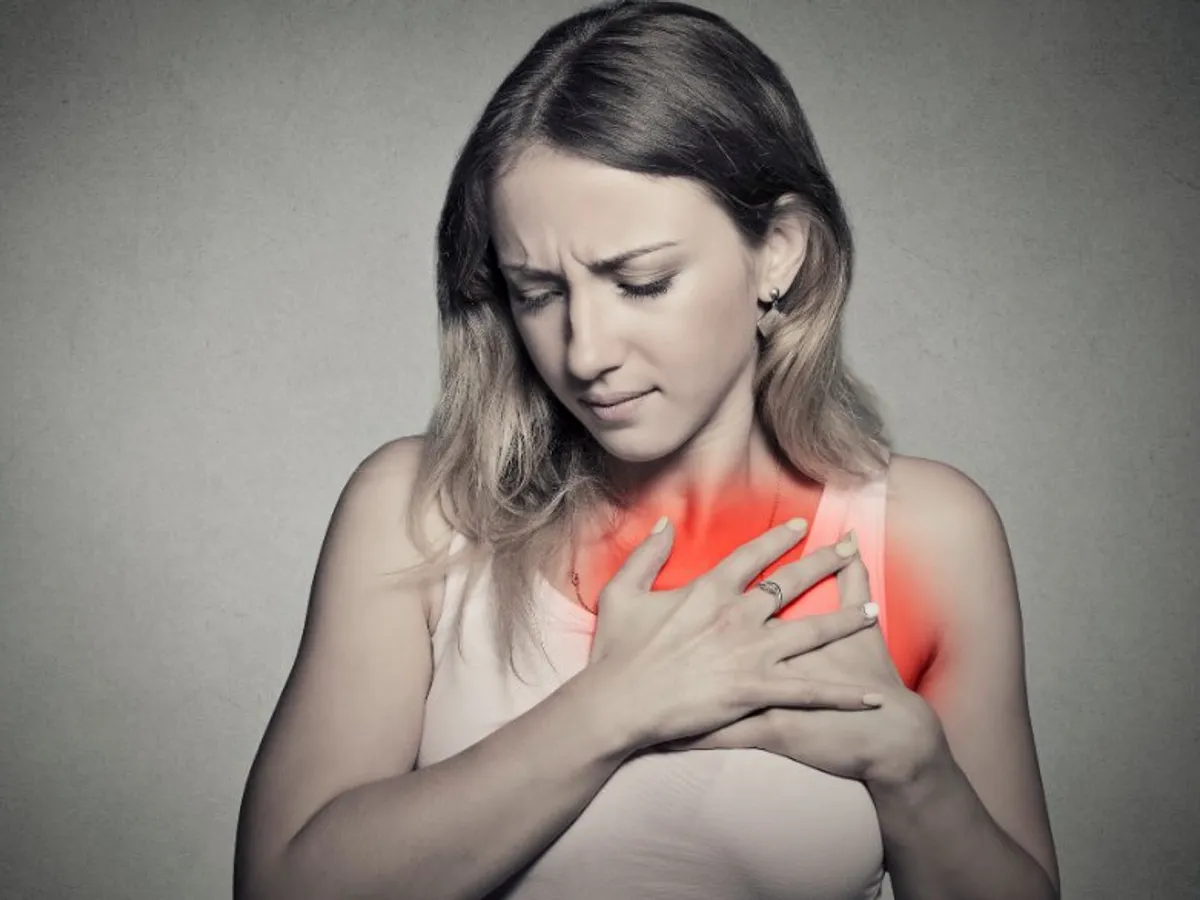
It’s essential for gym-goers to recognize the warning signs and symptoms that might indicate heart problems. Common signs include chest pain, breathlessness, dizziness, and unusual fatigue during workouts. If any of these symptoms occur, seeking immediate medical attention is critical. Being informed about these indicators empowers individuals to take control of their heart health and pursue timely medical interventions.
Sudden Cardiac Arrest: How to Approach Heart Screenings
For those contemplating heart screenings, the process is quite simple. Begin by consulting a healthcare provider with expertise in sports medicine or cardiology. They will evaluate your individual risk factors and recommend the needed tests. It’s important to be candid about your exercise routines, medical history, and any symptoms you’ve noticed. This openness will help healthcare professionals provide the best possible care.
To conclude, the importance of heart screenings for gym-goers is clear. With the surge in sudden cardiac events, it is crucial for anyone participating in physical activities to focus on their heart health. By understanding the risks, acknowledging the significance of screenings, and actively seeking medical guidance, gym-goers can greatly diminish their chances of facing life-threatening heart issues. These proactive measures enhance personal well-being and contribute to a safer fitness environment for all.















Leave a comment